
Presenting the work of Kelly O’Brien
Part of the 7th edition of the Foto/Industria Biennale in Bologna, Italy
7 November to 14 December 2025
.
No Rest for the Wicked is a visual poem stratified in a multilayered scaffold that echoes the entangled complexities of class, gender, and labour. Grounded on lived, experiential, and embodied knowledge, the project is a personal window into O’Brien’s historical and intergenerational experiences of women’s work in her family.
.
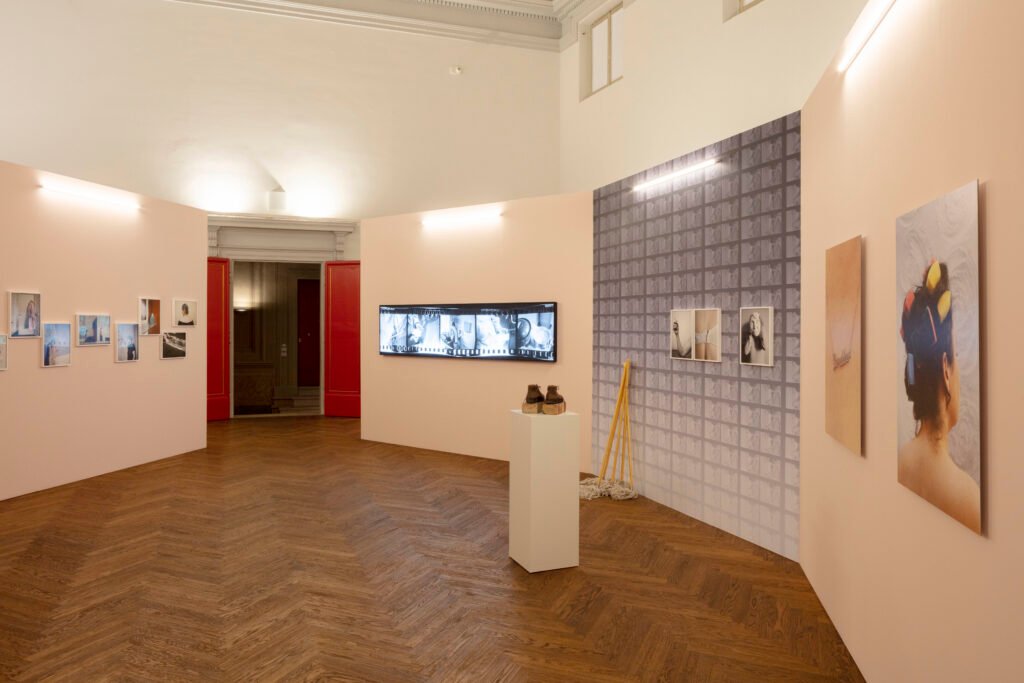
Installation view: No Rest for the Wicked. Foto/Industria Biennale, Bologna, 2025. Courtesy MAST Bologna
.
Using a compassionate and tender approach, O’Brien has quietly documented, for over 20 years, the lives of her grandmother and her mother as poor working-class immigrant Irish women living in a council estate in Derby, England.
The narrative wavers between the tensions of domestic work, an area shadowed by persistent gender disparities, and the paradox of home as a sanctuary. While for some it represents their safe space where to rest and reconnect with themselves, for working-class women, home remains all too often an extension of their day’s labour.
O’Brien takes advantage of the monochrome sobriety to accentuate the historical burdens carried by working-class women; in ‘a chip on your shoulder’ the artist’s mum symbolically confronts this popular British saying, which may refer to resented working-class women. They also depict the ritualised chores she performs within the domestic sphere. By contrast, soft-hued colour images offer intimate warm glimpses of the artist’s grandmother and mother at home, as well as of the different objects and details that make a home.
.
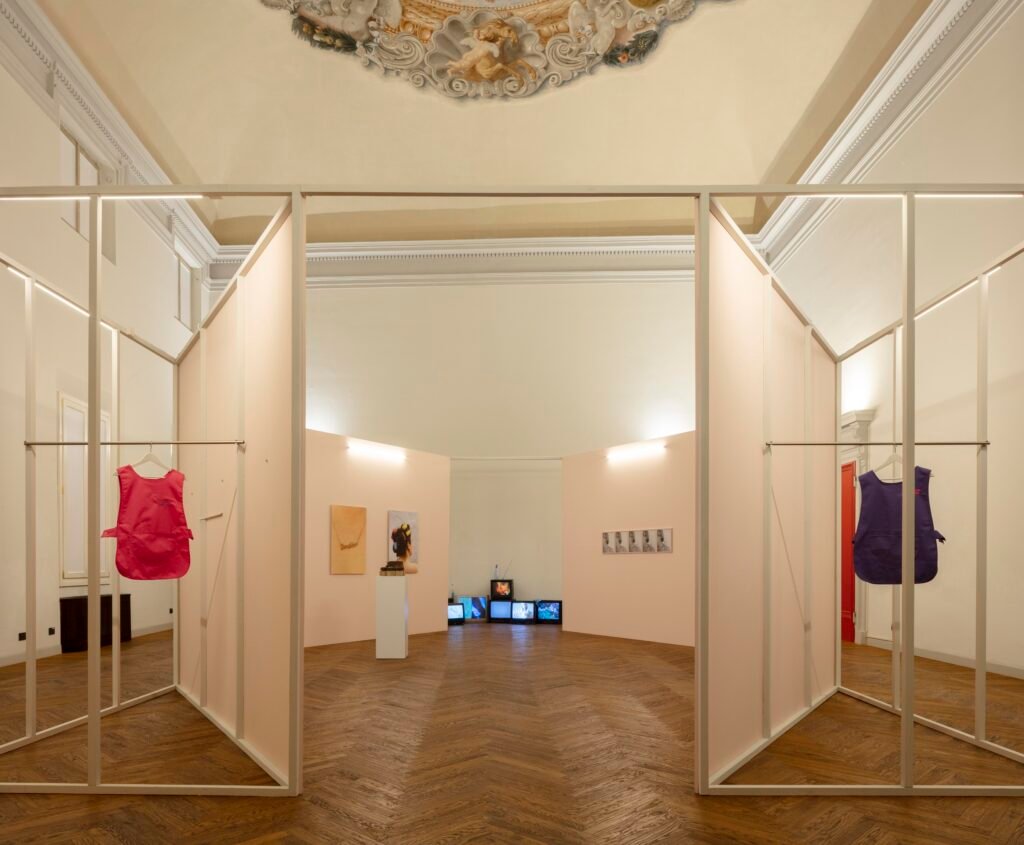
Installation view: No Rest for the Wicked. Foto/Industria Biennale, Bologna, 2025. Courtesy MAST Bologna
.
Lives are no other than a compendium of rituals; bigger and small; at home and elsewhere; intimate and shared. They offer connection, contemplation, and escape, and often, they are tied to spiritual practice and religion. O’Brien draws on her grandmother’s devotion to Catholic icons and their presence in the family home, to sanctify working-class women by portraying her mother as a modern-day Saint Zita, patron of maids and domestic servants.
The artist surrounds her with an ofrenda of candles, each containing the name of women who have been systemically drained, who have laboured and cleaned up the world’s messes, literally and metaphorically; those who exposed, who cared, who healed. These names have been collected through a participatory call out. With this intervention, O’Brien embraces and enacts care as a gesture of appreciation for their work.
.
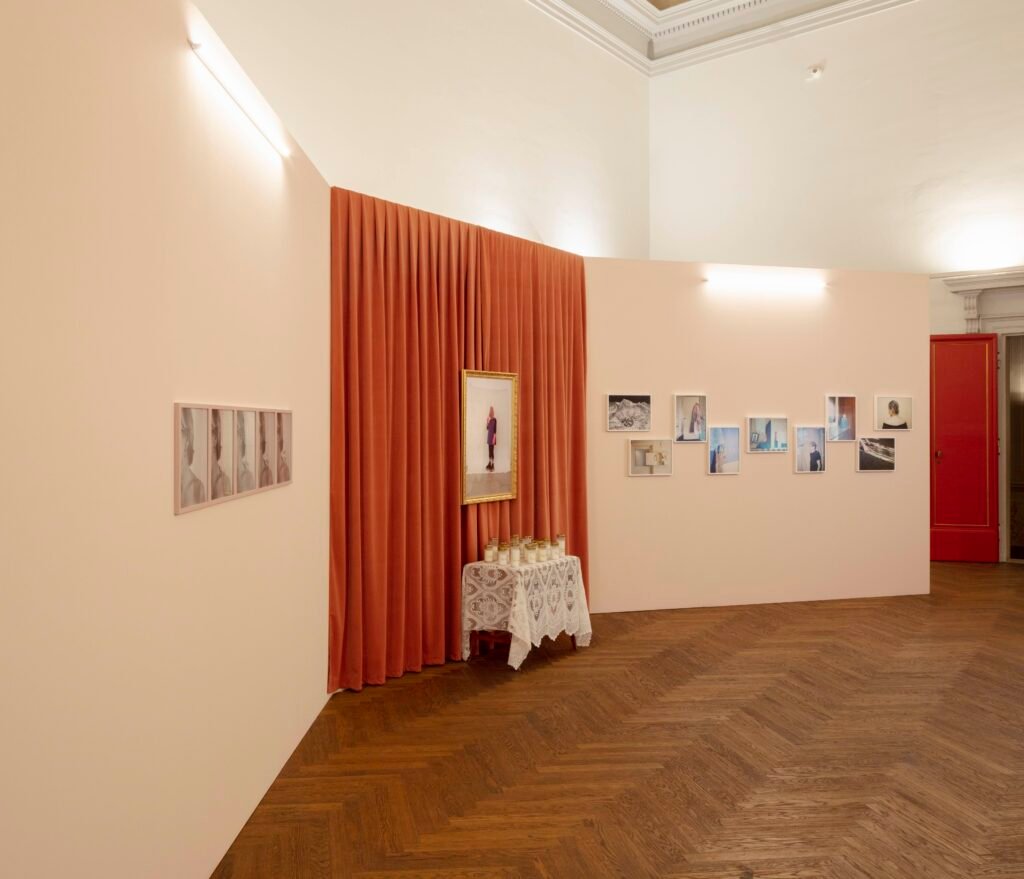
Installation view: No Rest for the Wicked. Foto/Industria Biennale, Bologna, 2025. Courtesy MAST Bologna
.
In her most recent artworks, the artist combines bright and bold colour photographs, language, and objects to resignify stock phrases historically used to degrade working-class women. By doing this, O’Brien creates a visual mockery of the entire neoliberal system that sustains inequality and class divisions.
Faces are scarce and when they are present within the frame, they look away, are out of focus, deliberately obscured, or hidden behind a mask. Documenting photographic parables, O’Brien reflects on the politics of shame imposed upon working-class women while commenting on the politics of respectability and strategies they deploy to claim dignity and grace.
No Rest for the Wicked positions and celebrates home as a sacred space while exposing the invisible labour that sustains it. The project underscores the experience of poor working-class women whose labour, despite endlessly repeating the same ritualistic chores both inside and beyond the home, often goes unaccounted for.
.
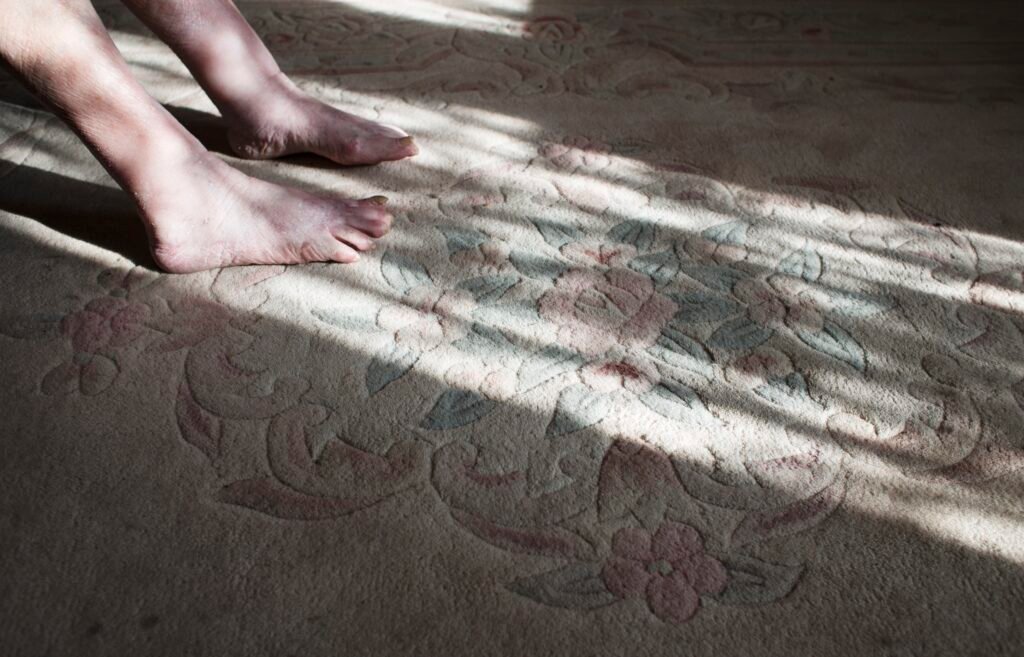
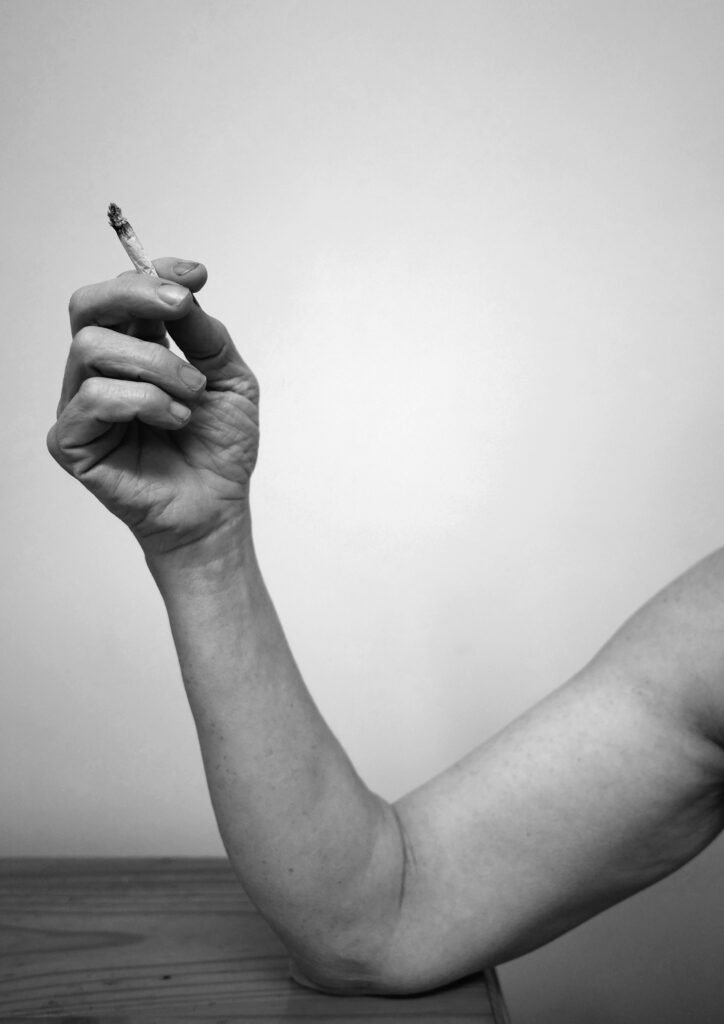
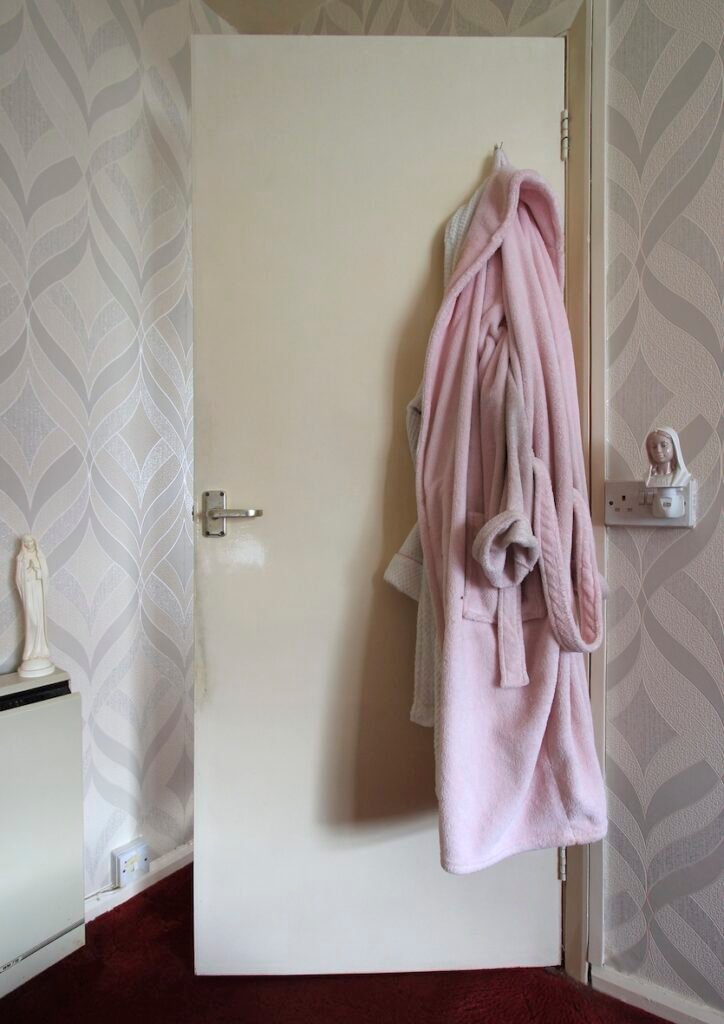
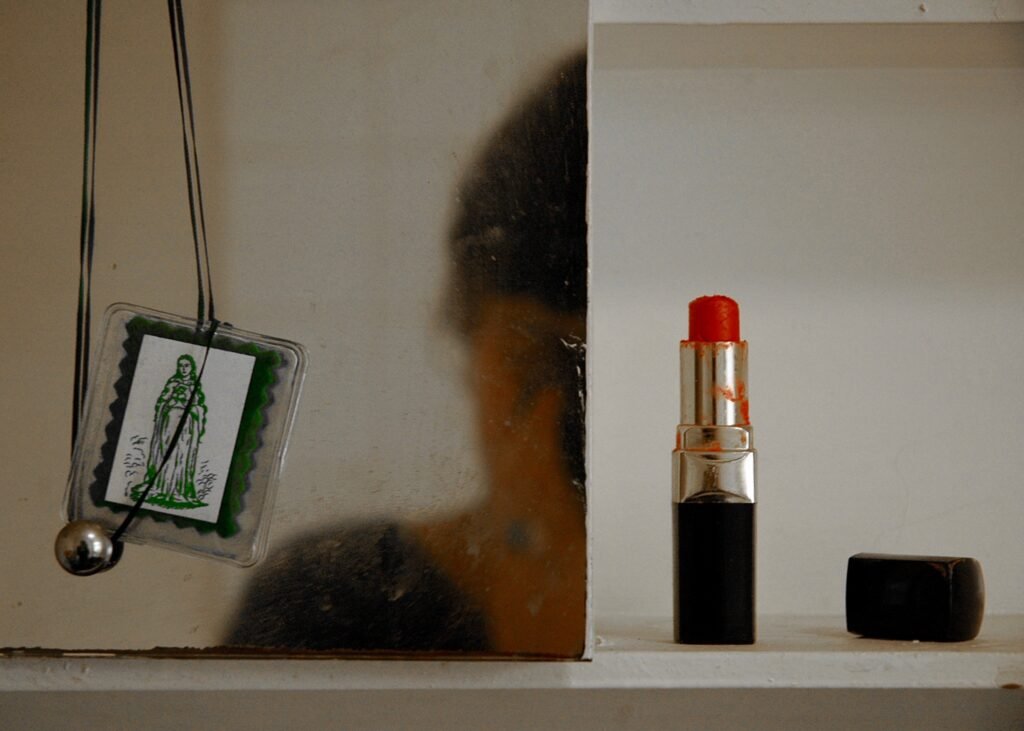

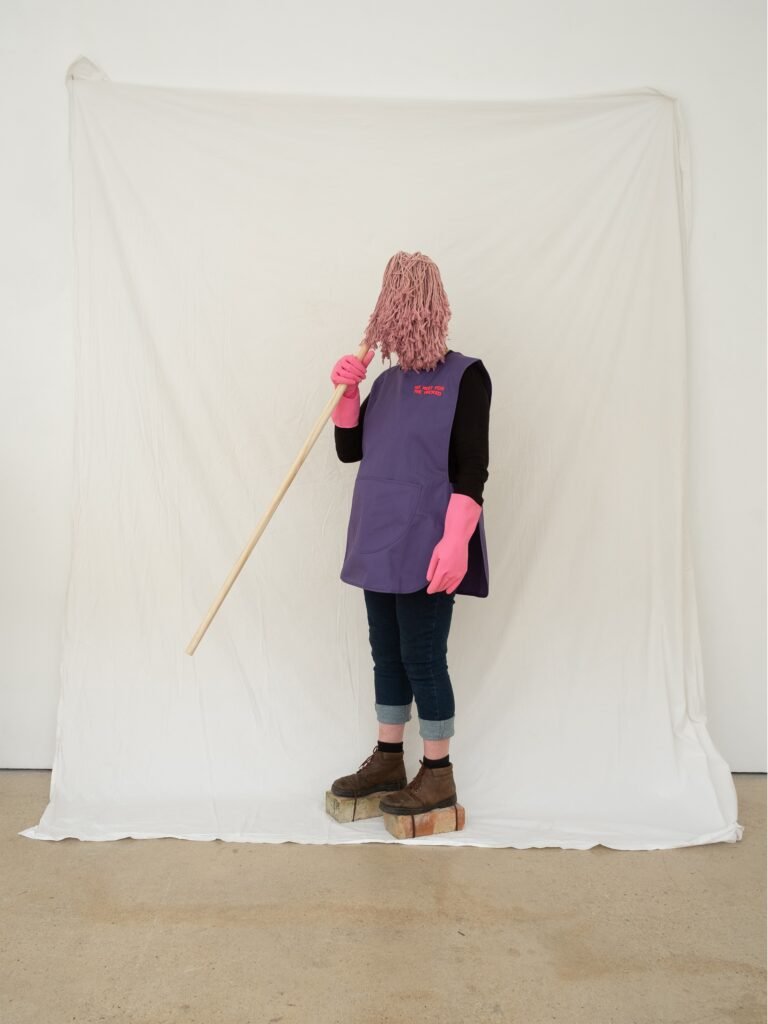
All images from the series No Rest for the Wicked. Courtesy Kelly O’Brien