Author: raquelvillarperez.com

  • The Sheltering Pixel, and the conundrum of the double-standards

    The Sheltering Pixel, and the conundrum of the double-standards

    (Originally published in Africanah on 8 October 2017)

    The most political decision you can make is where you direct people’s eyes.

    – Wim Wenders.

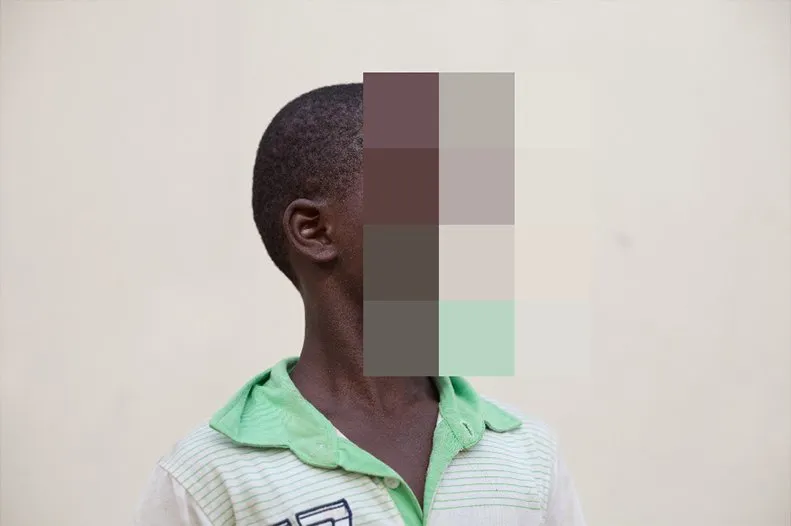
    Javier Hirschfeld’s latest project The Sheltering Pixel not only directs people’s eyes, but also prompts the viewer to reflect upon the mode in which things in photography are shown, and most particularly, the double standards used when portraying the other.
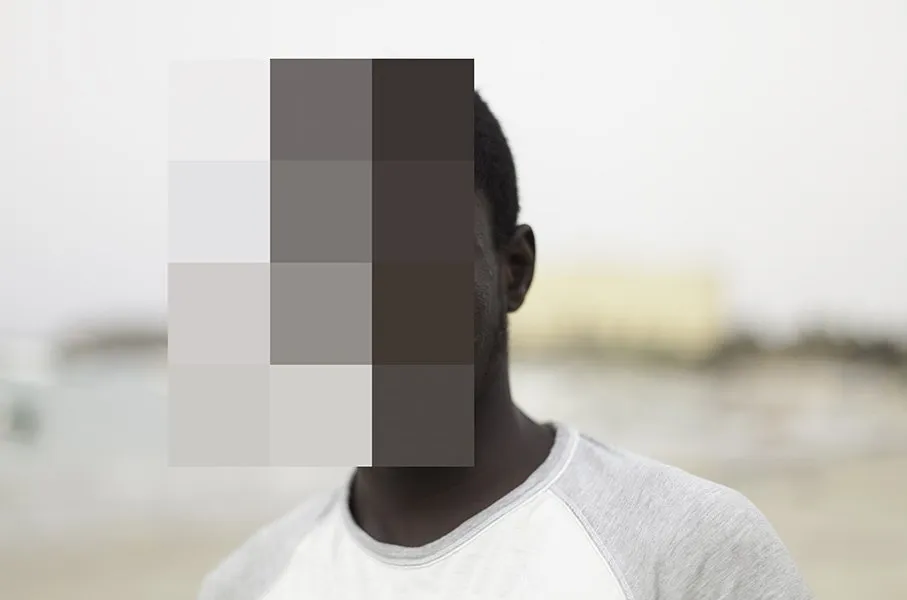
    The diverse social networks are encroached by photographs taken indiscriminately by all sorts of individuals, opening up to everyone their involvement with contemporary visual culture towards which they contribute, generating a broad and, supposedly, fairer, collective imaginary. Unfortunately, this is not the case, and it is particularly evident when the represented subjects belong to the so-called underdeveloped countries. In the postcolonial era, traveling across the globe has become a more achievable dream, particularly for westerners. Those who go to far-away places, take pictures of and with everyone, and upload the images onto their profiles in social media, aiming to improve their social image, since it makes them seem more adventurous, interesting and even charitable souls. Far from that, the real fact is that taking and posting pictures of and with disadvantaged people is just another way of strengthening stereotypes, exoticising the other, and ultimately, legitimising the Western superiority over the rest.
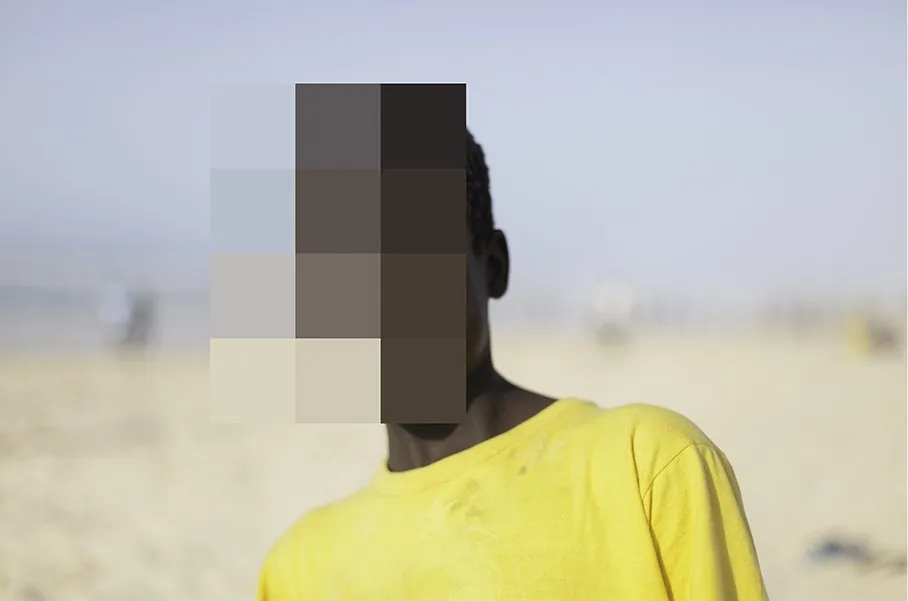
    Departing from a humble self-referential and self-critical standpoint, Hirschfeld’s project brings to a crisis the power relation that is established between both the image-maker and the photographed subject, particularly, when the photographed subjects are childrenThe Sheltering Pixel intends to ‘shed light on the different modes of approaching the act of photography. It is born out to my interest in the diverse ways of representing and talking about the ones, the others, and the other. It is a metadiscourse, a reflection upon the very fact of portraying, of my own work, and my experience.’
    Raquel Villar-Pérez: Where has been the project exhibited?

    Javier HirschfeldThe Sheltering Pixel was exhibited for the first time in Barcelona in September 2016, at the Gallery Catascopio. After that, the gallery took the project to Art Fever, Paris, where it was very well received and even the director of the fair selected the project, as one of the four most challenging works of the show. More recently it has been shown in the Museum of Genalguacil, a little town in Malaga. It was really interesting to see the reactions of the locals and how they reflected upon the topics portrayed. Moreover, The Sheltering Pixel will be displayed in the gallery Gratadou Intuiti in Paris from November 2.

    RVP: Have you had the opportunity or the thought of exhibiting the project in Africa? How has it been the reception of the project in there?

    JH: It hasn’t been exhibited in Africa just yet. However, there are some African artists and friends who have seen the project, and it has had a very positive reception, to the extent in which they seem grateful for finally someone bringing all these matters to the fore, issues that the European photographer does not think about when shooting in Africa or other vulnerable areas.

    RVP: In the contemporary art world there are numerous artists of African descent that explore and criticise notions of representation of black bodies throughout the history of art. How do you think The Sheltering Pixel fits within these discourses?

    JHThe Sheltering Pixel is a very personal meditation of a non-African artist but who has matured his discourse and his way of looking, thanks to African artists in the Diaspora, whose knowledges and art works have raised issues such as the representation of the other.

    RVP: Your different projects are very much connected to the African continent and the black subject, particularly children and women. As a white male from Europe, I assume you struggle with how you position yourself when approaching your projects in the postcolonial context. I would like to know how was born your interest in the African continent and black subjects, and how do you handle the ethical issues that arise, if any, for representing the black subject in the contemporary art scene? How does your project contribute to the ethics of representing black subjects?

    JH: I cannot explain how my interest in Africa, its Diaspora and the representation of the black body arose. I can say though, that it is after four years travelling frequently to the continent and taking images, and due to my experience as picture editor for the BBC, that I started to realise of the sum of clichés associated with capturing Africa. This consciousness made me question my own work as a photographer.

    The Sheltering Pixel is born out of the reflection about the other, about the ethics in photography, the different ways of seeing, looking and representing, and about the double standards when representing ones and others. Is a project born in Africa, since it is the context where I was working at the time. It is a critical approach to my own work as a white male photographer. Whereas before I must acknowledge my work was exoticising, and even perhaps nowadays it somehow still is, I have also become more thoughtful. I believe that using photography as a medium, everything is a signifier; there is no innocent input. 

    Ultimately, The Sheltering Pixel is a reflection on ethnocentrism and cultural relativity

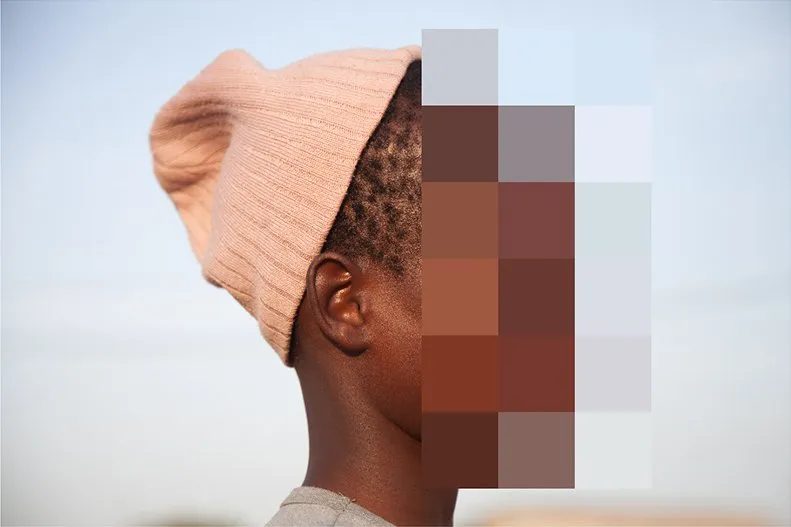
    Being the pixel the minimal container of information that generates sharp images by accumulation, contrarily, its distortion is used in media to protect the children portrayed. Indeed, Unicef disseminated a set of guidelines for ethical use of images of children in media. First and foremost, these guidelines call to respect the dignity and rights of every child in every circumstance, and also paying special attention to each child’s right to privacy and confidentiality.[1] Unfortunately, not all children’s dignity and privacy are protected equally. Hirschfeld’s sheltering pixel reveals the different standards used when treating images of Western infants, as opposed to when treating images of children from deprived areas, establishing the dichotomy between overprotection and non-protection

    Moreover, the pixel in Hirschfeld’s work not only disfigures the African child’s joyful smile, and bright look, but also pollutes the landscape behind, metaphorically reflecting upon the effects that the ‘well intended’ Western action has in the Third World countries. 

    The Sheltering Pixel by Javier Hirschfeld, functions as a kind of photographic activism; one that demands rigorous commitment from the spectator.

    For more information on Javier’s work, please visit http://javierhirschfeld.com/
  • Mohau Modisakeng: Beyond the Liminal Space

    Mohau Modisakeng: Beyond the Liminal Space

    ‘The most authentic thing about us is our capacity to create, to overcome, 

    to endure, to transform, to love and to be greater than our suffering’. 

    Mohau Modisakeng

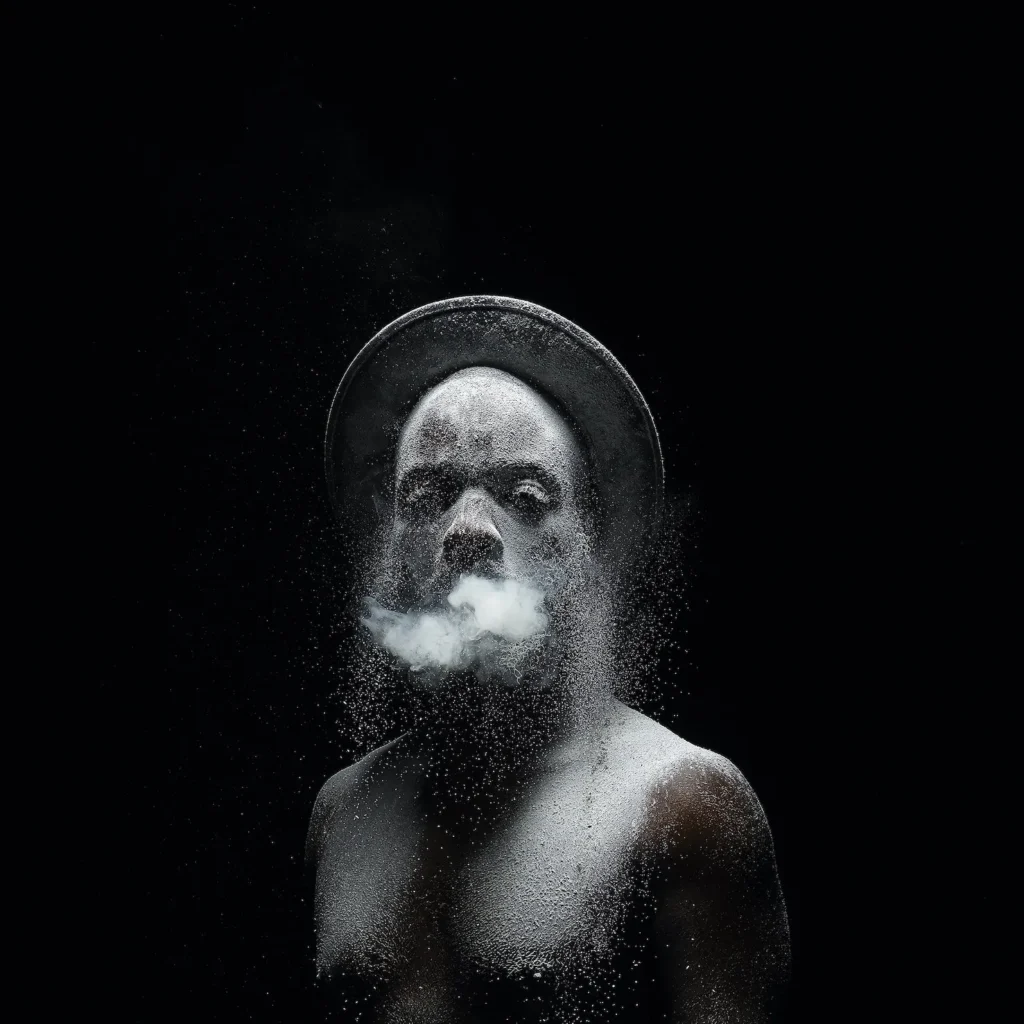
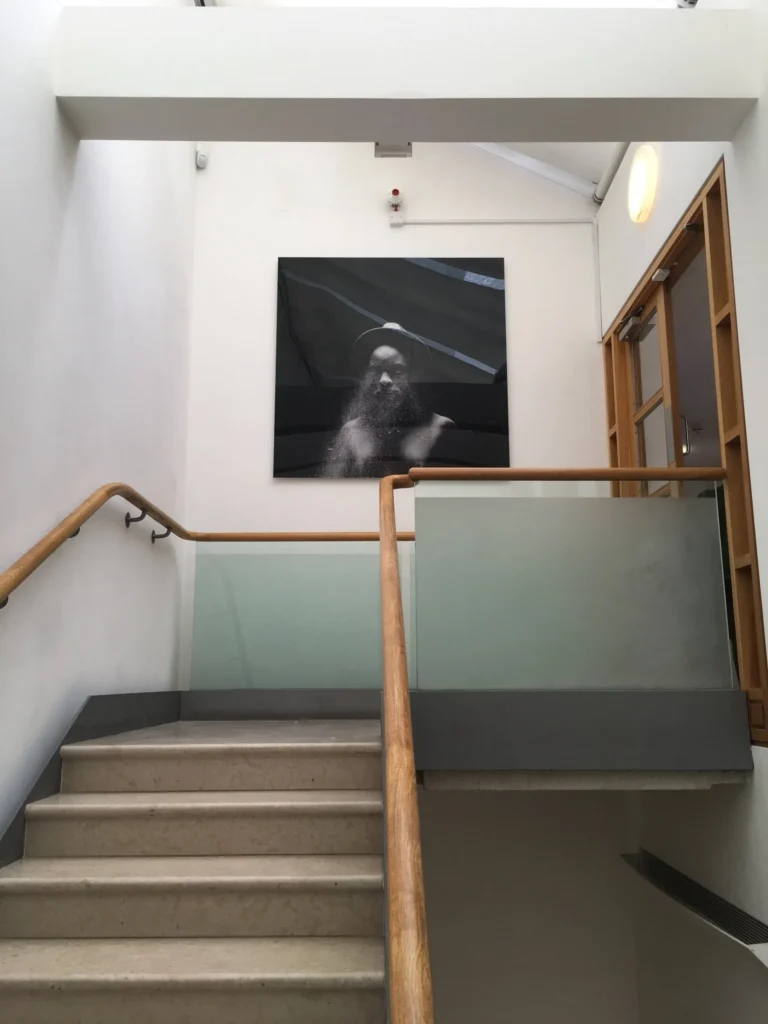
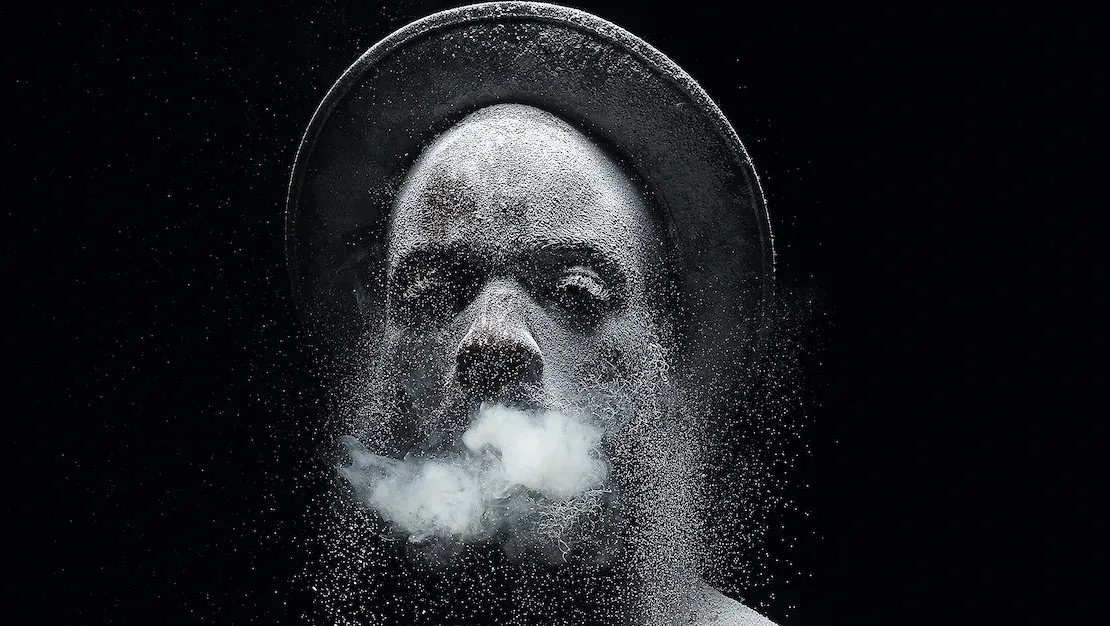
    Untitled (Metamorphosis 7), 2015. Courtesy of Tyburn Gallery.

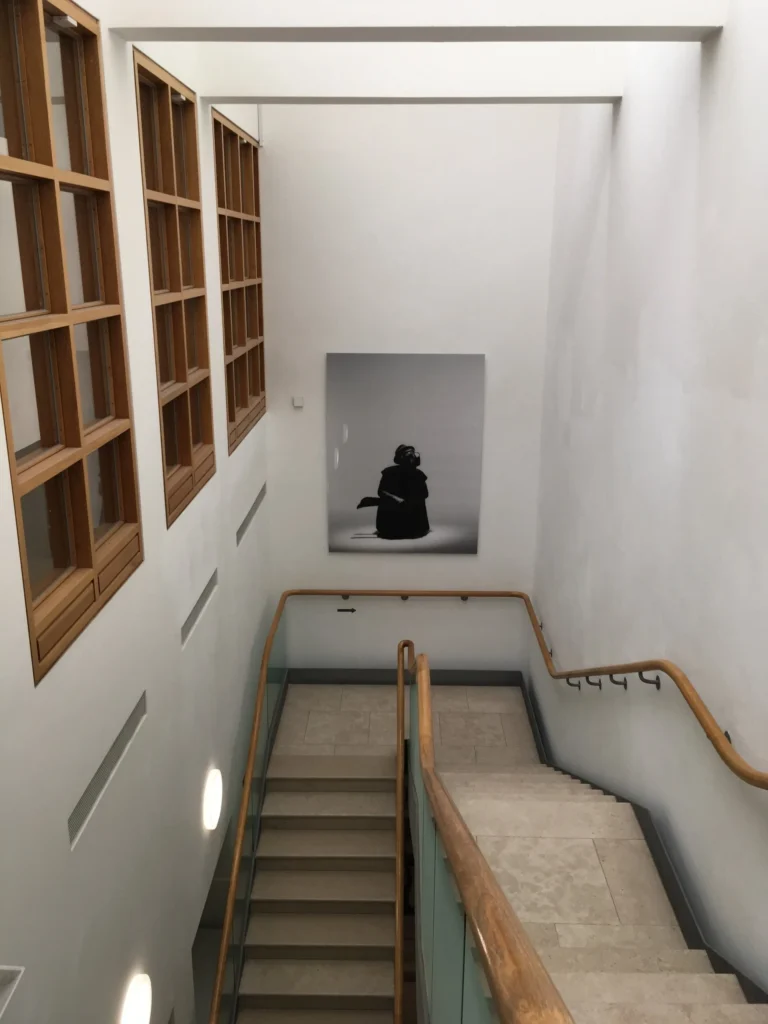
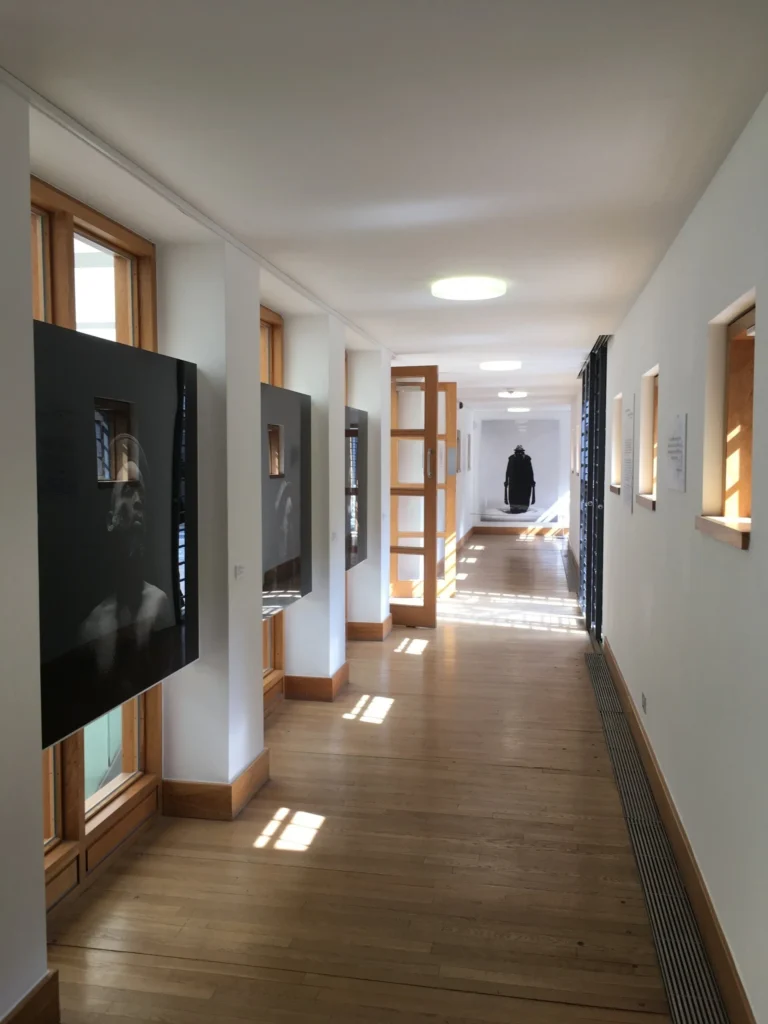
    Mohau Modisakeng: Beyond the Liminal Space, was part of the first SOAS Africa Conference ‘Imagining Africa’s Future: Language, Culture, Governance, Development’, the closing event of a series of activities that have celebrated the SOAS Centenary.

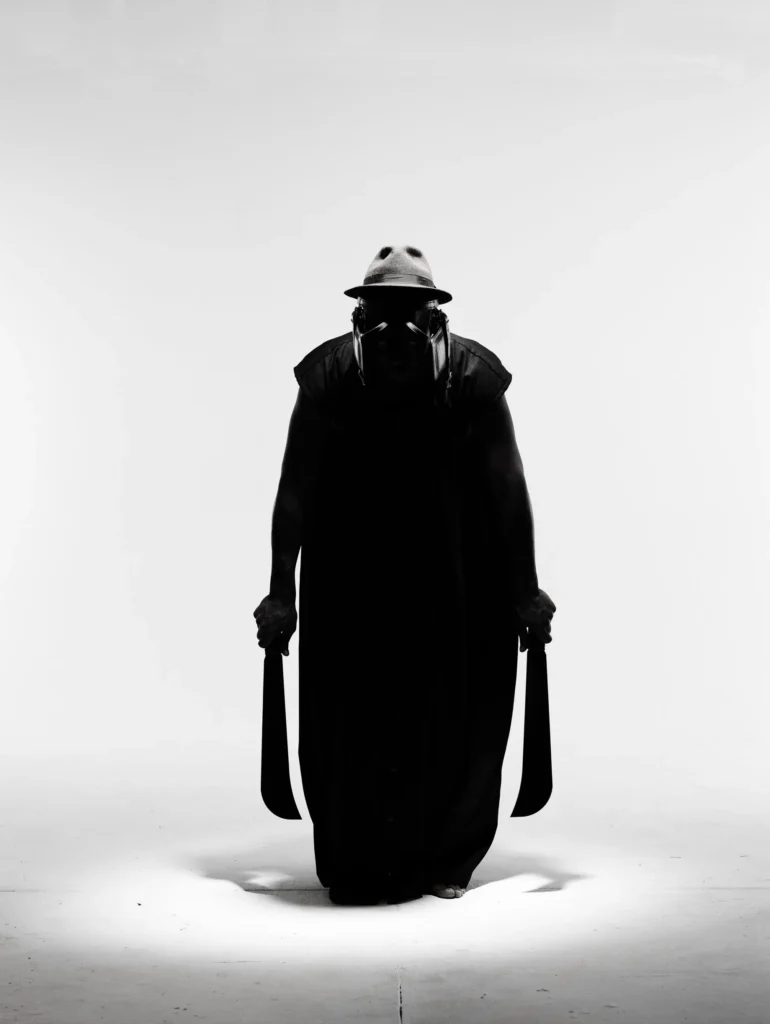
    Mohau Modisakeng uses the corporality and fragility of his own body to poetically portray collective memories that respond to the history of the black subject within the context of South Africa. Mohau’s photographic work is layered, complex, and rich in symbolic references to mechanisms of violence, stressing on notions of inequality, capital, wealth, labor, race and ritual. His powerful images envisage liminal spaces of latent violence wherein black bodies have inhabited since the Apartheid era. On a broader spectrum, Mohau’s overall concerns, but most particularly the issue of violence and the role it played and continues to play in colonial as well as post-colonial African societies, apply to the rest of the continent.

    The works selected for display at the Brunei Gallery, SOAS are part of Modisakeng’s acclaimed series Metamorphosis and Frame. They are large photographs in black and white, ambiguously suggestive of sacred rituals, spaces for re-invention and for reaching beyond the liminality of the in-between. The artist’s work stands as a stimulus to create awareness of the past and to open up a new era for reflection and change. Vastly in line with the spirit of the first SOAS Africa Conference, Mohau Modisakeng, through his work seeks ‘the representation of a more assertive black subject, one that is unapologetically present in the frame’.

  • My Granddad’s Car

    My Granddad’s Car

    (Originally published in Africanah on 7 May 2017)

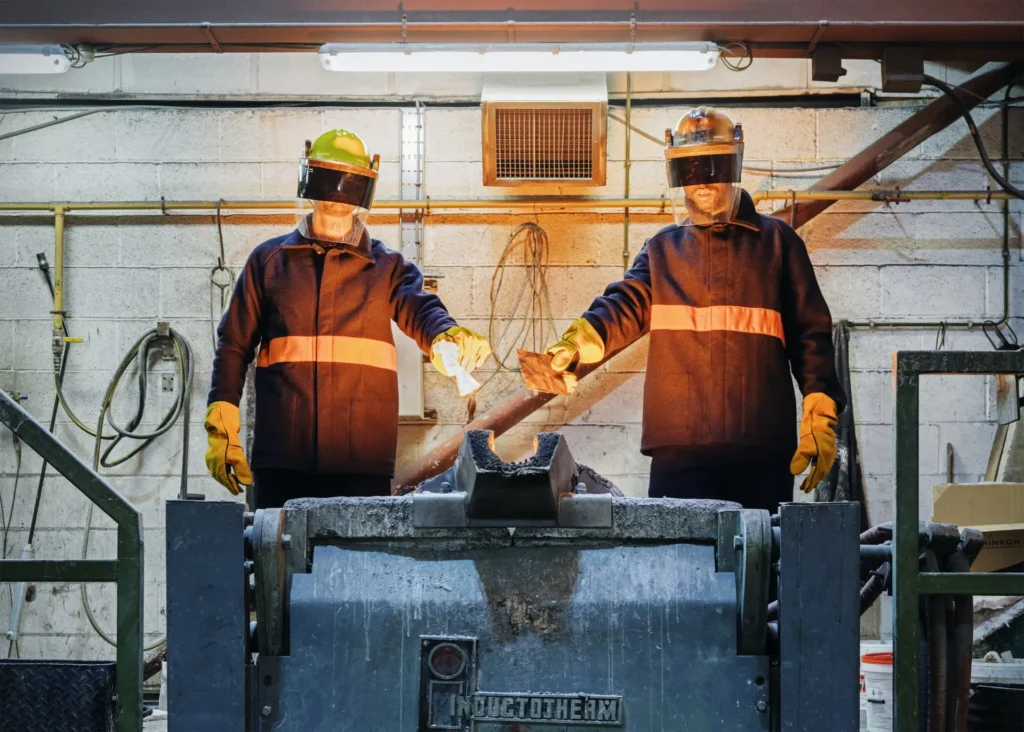
    The two-phase project began in 2011 when Sayed and Karl resolved to bring to the UK their grandfathers’ cars and park them side-by-side. They aimed to explore their own families’ backgrounds and identities, alongside opening a space for reflecting on the dynamism of the British identity nowadays. However, a combination of corruption, bureaucracy, and lack of information, frustrated their quest. A shift in circumstances in 2016 inspired the artists to reinvent the project, and this time, the cars were transformed from vehicles and scrap to artworks and relics.

    Melting Pot, 2017. Courtesy Sayed Hasan and Karl Ohiri.

    Raquel Villar-Pérez: What were the physical but most importantly the emotional challenges you faced over the course of the project?

    Sayed Sattar Hasan: A great extent of the physical challenges revolved around how to move the cars from Pakistan and Nigeria to England. Both cars were unusable and there was a lot of pushing, lifting, and deconstructing throughout the project. We also had to document our trips, which often involved taking photographs and shooting video while we were negotiating live situations. To try and capture the essence of experience while being in the frame was challenging. We didn’t have any extra technical help, so creating a coherent visual narrative while negotiating the project was tricky.

    One of the biggest emotional challenges was dealing with the sense of failure and uncertainty after our initial attempt to bring the cars to the UK. It was a shame that we had gone to such lengths only for the project to remain unresolved.

    For myself, emotional and creative challenges overlapped. I realised that even if the car had made it to England, it would be an inconvenience. That’s why I decided to take a part of the car and let the rest go, when we embarked on part two. This echoed the simple maxim ‘things change’. It was a psychologically liberating decision. I could take something with me, while letting go of aspects of my heritage that were incongruous to my present life.

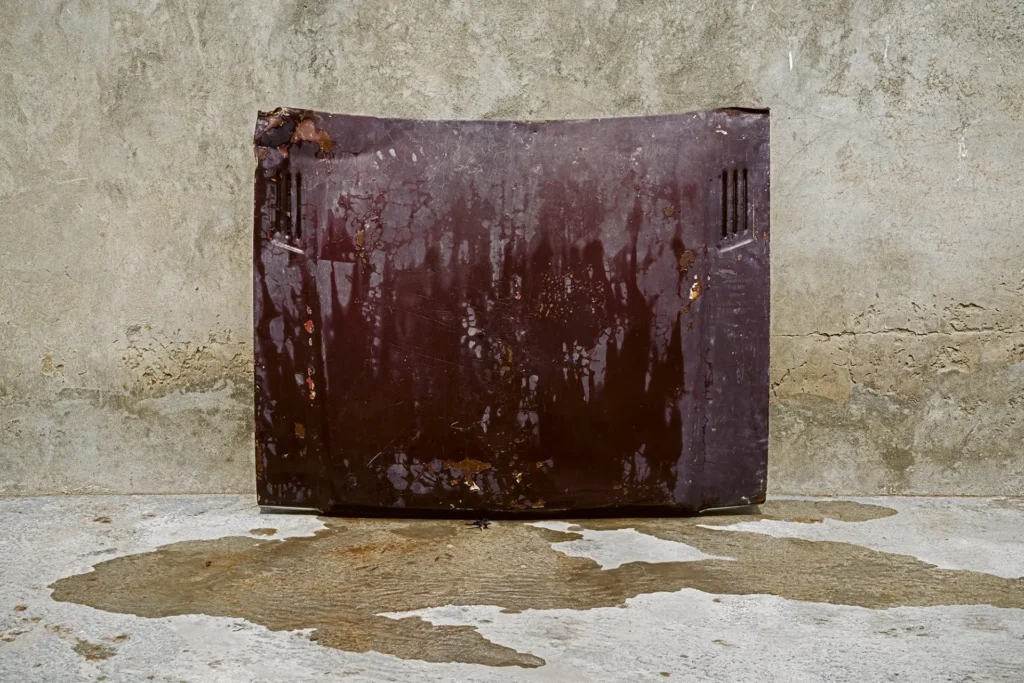
    Melting parts of our cars together in a Sheffield Steel foundry, and the joint sculpture we created from the process, made all of the physical and emotional challenges we faced, completely worthwhile. 

    Can a Name be Washed Away, 2016. Courtesy of Sayed Sattar Hasan.

    Karl Ohiri: I think My Granddad’s Car posed a lot of physical and emotional challenges for the both of us. The physical aspect came when trying to attempt to transport the cars to locations. Although the conditions of our cars were very different from one another (mine being the shell of a Volkswagen beetle and Sayed’s a bulky old Toyota Corolla) they both were physically awkward objects to move and ended up shaping how we chose to resolve the project, by freeing ourselves from the heavy material and looking into different ways the car could be symbolised. 

    The emotional challenges were equally as difficult and, for me, started early on when I introduced the idea to my family in Nigeria. Nobody could understand why I wanted to take my grandfather’s rusty old car back to London. Many struggled to see the historical value or artistic expression of what we were trying to achieve. It was a difficult state to be in because as artists, you often doubt yourself and your ideas, so when the project became a source of ridicule for many in the village, it was very hard to deal with at times.

    When it came to shipping the car back to the UK I was told I could not ship it. Although I had all the necessary paperwork for clearance, the port controller said that the exportation of scrap metal was contraband and demanded I pay him £2,000 to sign the release papers. I declined his offer so the car was held at ransom and impounded at Onne port in 2011. I had to leave Nigeria having failed in my objective of transporting the car back to the UK. I asked myself a lot of questions: is this the end of the project? I wondered what will happen to the car now.

    The car stayed in the port for years forcing me to call the port officer and ask if the car was still there. He would reply ‘yes’ before promptly asking me if I was ready to make a payment. Years went by and with each one, I felt more and more guilty knowing that my grandfather’s car was left vulnerable at the port. In 2016, whilst visiting my family in Nigeria, I decided randomly to call the port. The news they told me were bittersweet: the port controller had died that year. I decided to travel back to the port and plead with the new controller hoping that he would sympathise with my situation. Against all odds, the car was still there at the port, and after lengthy talks and persuasion he decided to release the car. I returned it to the village delighted in the knowledge that my granddad’s car would finally have a sequel.

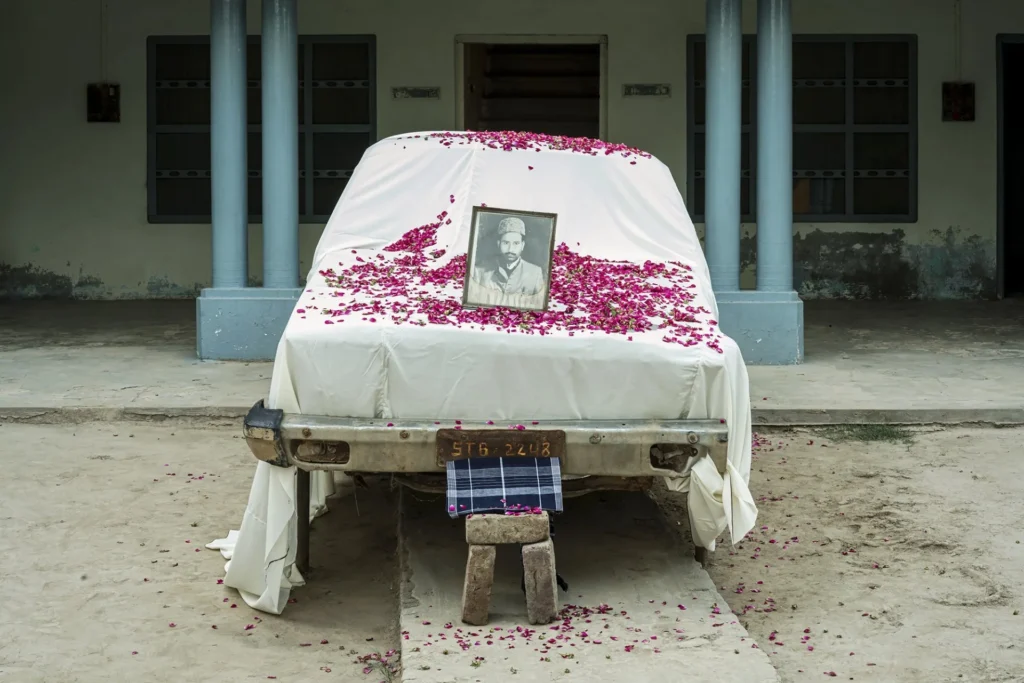
    A Shrine to my Granddad’s Car, 2016. Courtesy of Sayed Sattar Hasan.
    A Shrine to my Granddad’s Car, 2016. Courtesy of Sayed Sattar Hasan.

    RVP: For what I can remember from the videos in the exhibition at the Stephen Lawrence Gallery, it seems to me that Karl’s video-piece focuses in documenting the deconstruction process of his granddad’s car and rebirth into something else –art; somehow, a celebration of renewal. Yet, Sayed’s video-work is, in a way, more intimate; it alludes to Islamic rituals of death and mourning processes and remembrance of someone. How did you conceptualize the short-films? How has it been to collaborate in developing a project, which is highly intimate to each of you?

    SSH: When Karl and I travelled to Pakistan, my aim was to take a piece of the car and say farewell to the rest. It was important for Karl to join me, as it gave greater meaning to the experience. I thought to myself: ‘I would be content if I could capture on camera, a degree of this process in a sincere way’.

    I’m drawn to the usage and aesthetic of ritual in Islamic and South-Asian culture. I created an unorthodox ritual that used motifs from varying forms of ceremony. My family in Pakistan knew I was doing something unusual, but it was also recognisable to them. I wanted to deal with the ‘letting go’ of the car in a manner that was respectful to the spirit of my grandfather, yet also in a non-conformist way.

    In terms of our collaboration, our approach has been to listen to and support each other. It’s about figuring out what works best for us as individuals and a team. We talk a lot, so we’re not afraid to bounce ideas and get a sense of what feels right. We’re more like family than friends, so sharing such an intimate experience seemed natural to us. 

    KO: The videos were conceptualised to what we artistically thought would work with the footage that we managed to capture in our respective countries. When I got to the editing table, I thought I would take a documentary approach as I had loads of small clips that documented a very intimate side of the journey –from me and Sayed eating together to Sayed meeting all of my family. I even have some rare footage of Sayed dancing Naija-style in a local bar. However it was really hard to edit all of the fragmented moments together and still have a clear narrative. So I decided to focus on the making of What Remains, 2016, a sculptural artwork made out of the fragments of my grandfather’s car. I decided to concentrate on the making of the sculpture knowing that the sculpture would be exhibited. I wanted to create a video that would convey a sense of time and the struggle of its creation to the audience. 

    The collaboration process within a project that was so intimate was not difficult for us as we are very close friends. I think that as artists and friends, what attracts us to each other is a level of sensitivity mixed with a genuine desire to explore other cultures. A project like this could only work with such attributes.

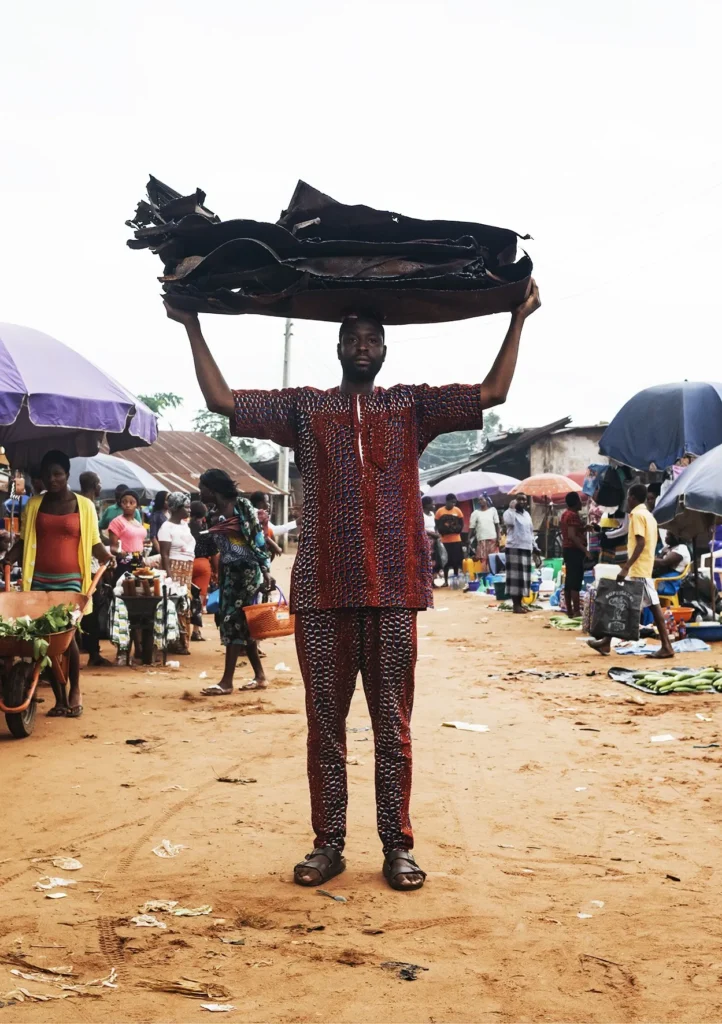
    Carrying the Burden, 2016. Courtesy of Karl Ohiri.

    RVP: Whereas Karl includes in all his photographs the human figure, either himself or both of you, the most of Sayed’s photographs display objects. Can you explain what were your interests when approaching the project?

    SSH: I was interested in showing a sense of historical time in my photographic works and saw myself as a passenger. The landscapes and objects tell stories of their own, they allude to human presence, yet no single individual dominates.

    KO: My approach towards the photography was really set out in part one. In part one I did some documentary shots and some portraits. I really liked how the portraits turned out, so I knew I was going to concentrate more on making portraits. Applying an approach that incorporates more stage portraiture allowed me to stop time and express a moment without the pressure of capturing it in real time. 

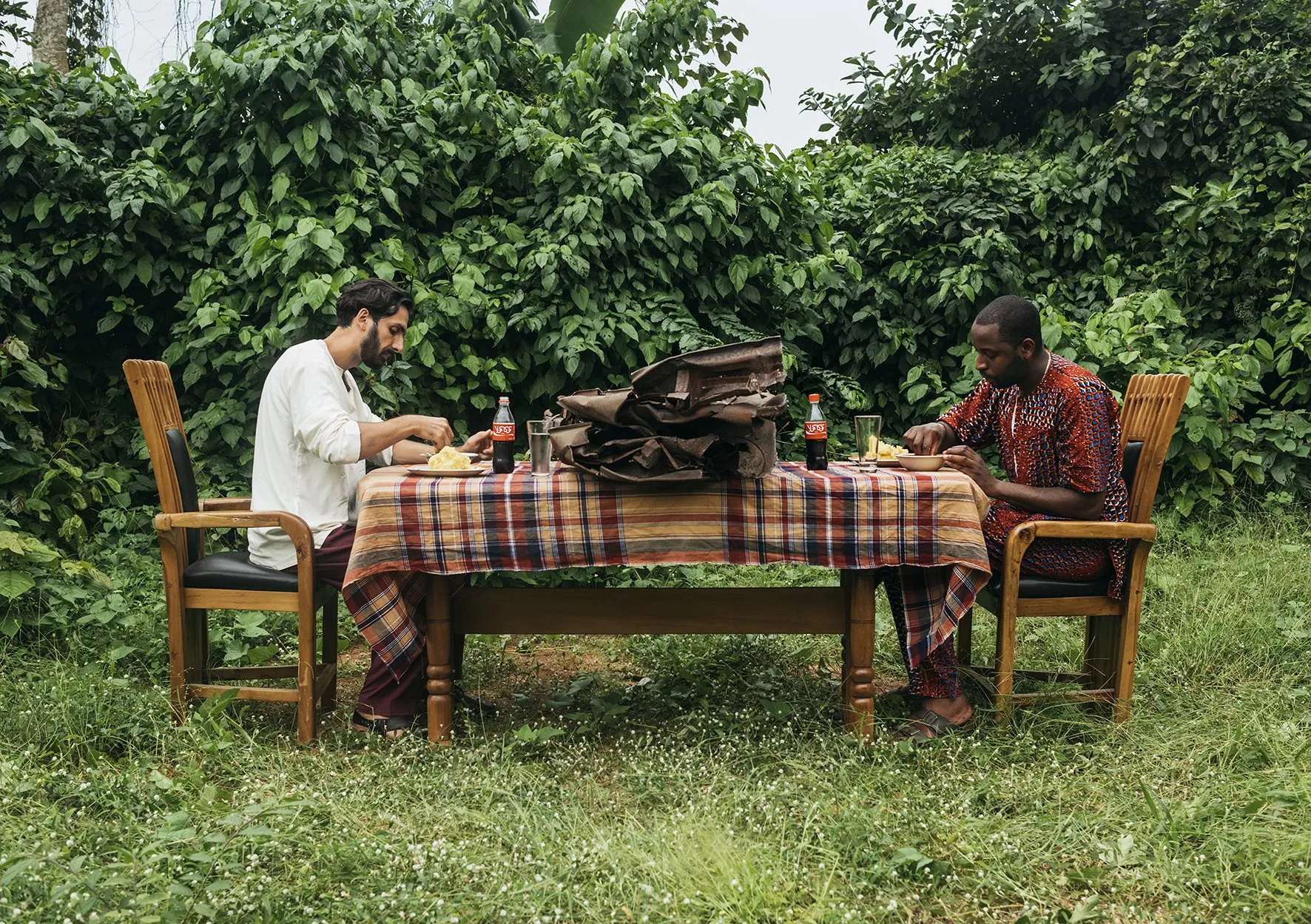
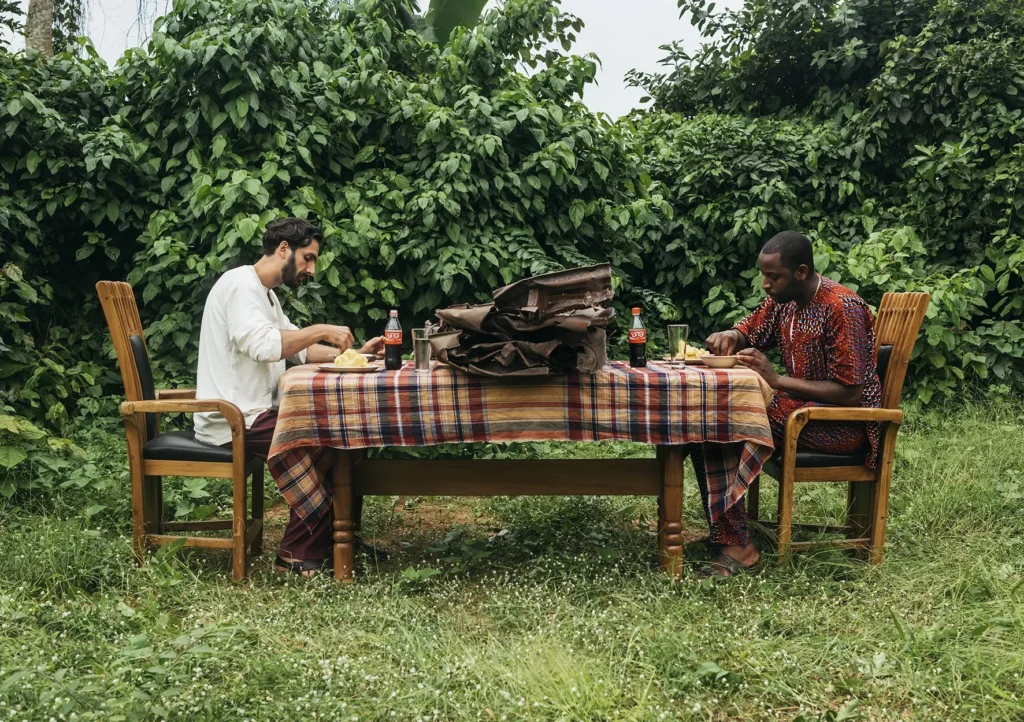
    I wanted to capture images that I could look back on and smile at and remember the memories from the project. I think this is achieved in images like Centrepiece, where a really special moment is captured. A moment that I never thought I would see Sayed and myself eating native Nigerian soup on my grandfather’s land on Sayed’s birthday, while my grandfather’s car becomes a centrepiece we talk about over dinner.

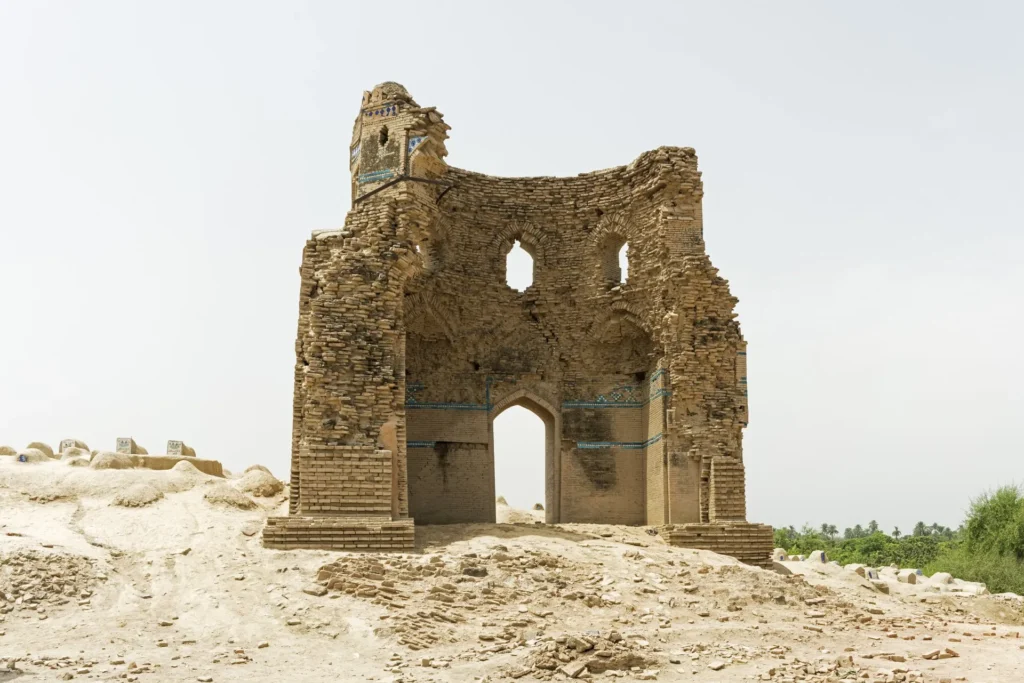
    Through the ruins, 2016. Courtesy of Sayed Sattar Hasan.
    Through the ruins, 2016. Courtesy of Sayed Sattar Hasan.

    RVP: There is this recurring piece of cloth that can be seen throughout the project, particularly in Karl’s photographs. What’s the meaning/importance of it?

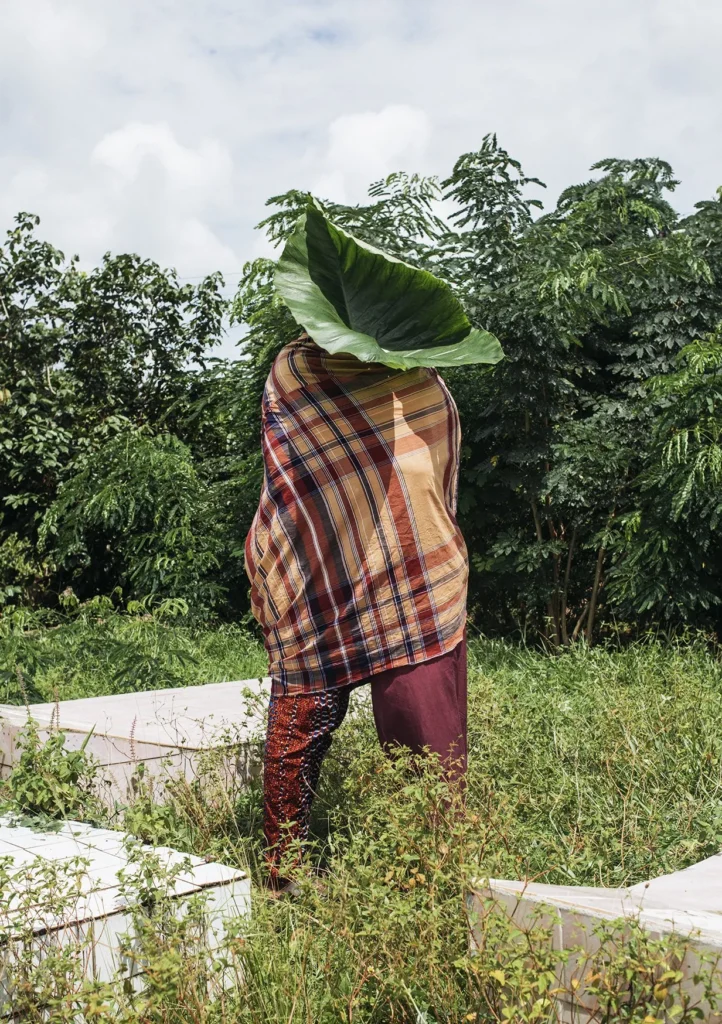
    SSH: Fabric has been a central motif of the project; both of us are drawn to fabric and use them for different reasons. Covering the car removed the brand identity of the car and allowed it be regarded as something more individual. Bodies are covered in cloth for many reasons from fashion to Islamic burial rituals, using my grandfather’s favourite silk fabric to dress the car, was a way of giving the object a sense of importance.

    KO: The piece of fabric I feature in the project is a native piece of fabric my mother gave to me to use for the first part of the project in 2011. I told my mother that I wanted to wrap her father’s car as a mark of respect and she gave me fabric to do so with. Like me, she never got the chance to say goodbye to my grandfather.

    I used the fabric to create the portrait Patchwork, 2011, an image which was about symbolic fragments of the past being intertwined together thus creating a bond between generations. In 2012 my mother passed away due to cancer, as a tribute, I decided to take the fabric back to Nigeria and reuse it to represent her presence throughout the project drawing strength from it and creating new memories and narratives that merge the past with the present.

    Calla, 2016. Courtesy of Karl Ohiri.

    Calla, 2016. Courtesy of Karl Ohiri.

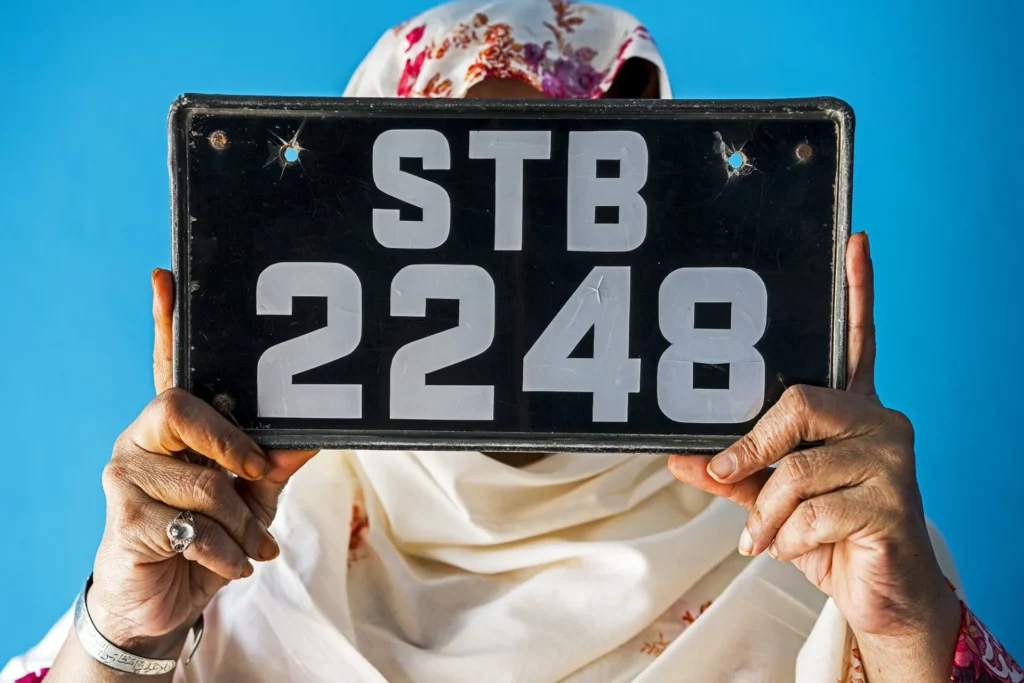
    RVP: I am very interested in the participation of women in the arts. In Sayed’s photography Aunty Chubo Holding Rear License Plate, you chose a woman to hold your granddad’s car license plate? Why?

    SSH: I chose my aunty to hold the license plate because she has an important role in the history of the car. When my grandfather died it was passed on to her, I only wanted to take it to England when the car was no longer usable, and I sought her approval before hand. 

    The license plate was given to her as a small gift and I wanted to take her portrait with it. Due to the customs of my family in Pakistan it is deemed inappropriate for women to show their faces to strangers. The license plate enabled her to be present without compromising her sense of tradition. It was an important image for me, as I wanted to acknowledge the contribution of women in the story and the challenges they face in a male dominated society.

    Aunty Chubo Holding Rear License Plate, 2016. Courtesy of Sayed Sattar Hasan.
    Aunty Chubo Holding Rear License Plate, 2016. Courtesy of Sayed Sattar Hasan.

    RVP: Karl, your granddad’s car goes from being the most important part of one of our photographies in Centerpiece to having negative connotations in Carrying the Burden, can you explain the shift on the interpretation of your granddad’s car?

    KO: The car has taken on so many different forms and my attitude towards the car has changed throughout the project. The car has inspired a lot of emotions and one of the most power emotions it has bestowed on me is the burden of responsibility. I have often felt responsible for its protection and legacy. The car has come to symbolise a huge part of my family’s history possessing a powerful message that we can all relate to as human beings. That history is worth preserving and its something we all have in common. 

    Centerpiece, 2016. Courtesy of Karl Ohiri.
    Centerpiece, 2016. Courtesy of Karl Ohiri.

    RVP: Your granddads’ cars tell the story of your respective families, as artists, what’s the story you want to tell with My Granddad’s Car?

    SSH: I like the idea of showing how the lines between art and everyday life overlap, and feel My Granddad’s Car charted such territory.

    RVP: Finally, do you have a car? If so, what stories do you think do they hold? 

    SSH: I only passed my driving test this year and I share a car with my girlfriend. Hopefully, it will take us on some adventures of our own. Ironically, despite the project’s title, I’m not a car enthusiast. 

    For more information on Karl’s work, please visit: www.karlohiri.com

    For more information on Sayed’s work, please visit: www.sayedsattarhasan.com

  • Más Morena 

    Más Morena 

    La Chiquita Piconera. Courtesy of the artist.

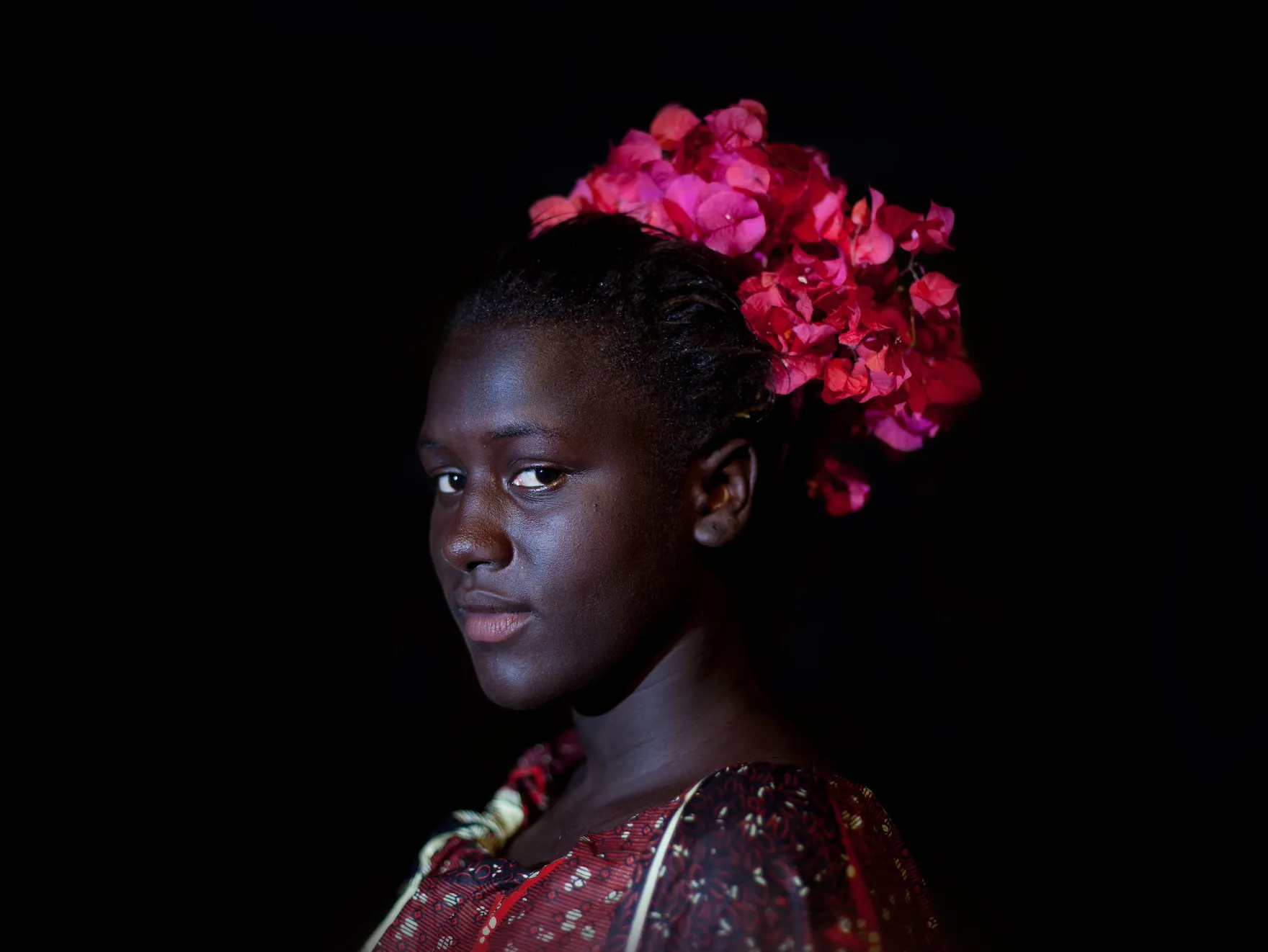
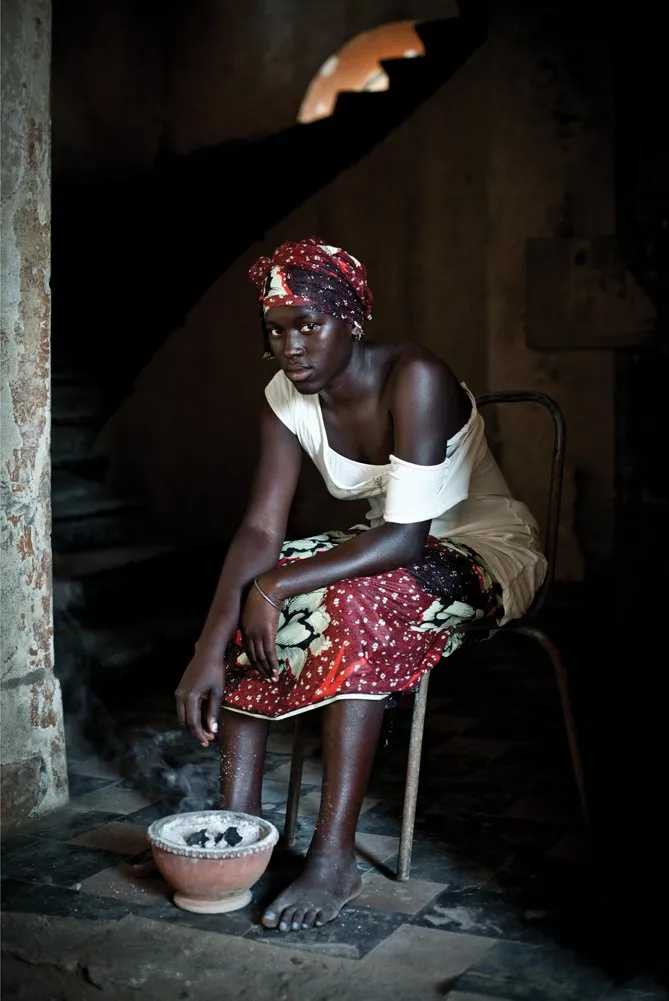
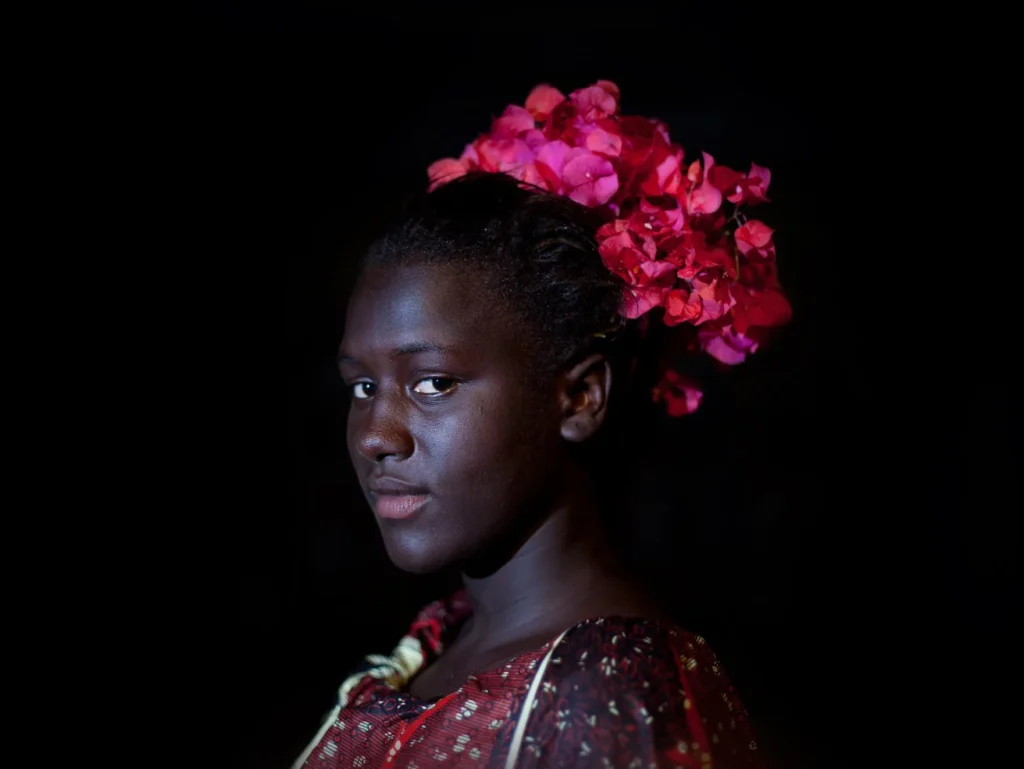
    Más Morena is the story of a game of languages, of a journey around the figure of Julio Romero de Torres and the revision of the contemporary language of photography and its resources.

    Hirschfeld proposes a journey through aesthetical experimentation bringing together the Senegalese everyday life and the Andalusian Romantic painting of Julio Romero de Torres. His intention is not the occasional mimesis; far from this mirror-play, the artist proposes a journey between cultures, confronting different aesthetics within the framework of cultural syncretism.

    La Argentinita. Courtesy of the artist.
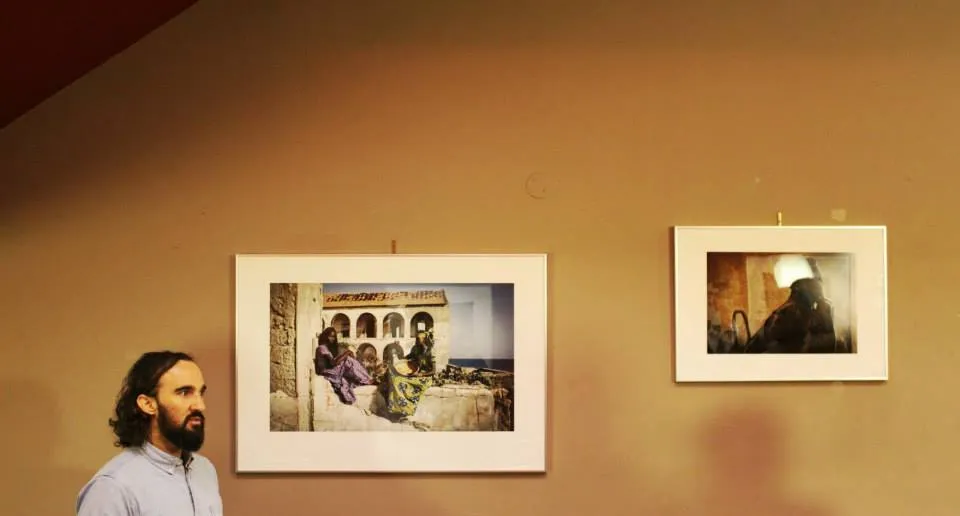
    Artist’s talk on the opening evening.

    Más Morena was exhibited at the Cambridge African Film Festival Cambridge, 1-9 November 2014, at the Africa Centre Summer Festival, London, 2 August 2015, and at the festival Afrika Eye, Bristol, 4-12 November 2018.

    Más Morena was the image of the Córdoba African Film Festival in 2014. It has been exhibited in London, Cambridge, Cáceres, Melilla, Málaga, and Sevilla.