Gaby Messina began her professional career in publishing. Her interest in photography began almost incidentally when she received her very first camera as a gift from her parents. Initially, portrait photography was a way for her to channel her relationships with the people around her. Currently Messina, who identifies as African-Argentine, uses photography and video art as a way of exploring her place in the world.
I, Afro, 2018 (still images). Courtesy Gaby Messina.
Raquel Villar-Pérez: In your career as a visual artist, there is a moment when you begin touching on topics related to Afro-descendants in Argentina. What brought about this turn?
Gaby Messina: I reached a point in my work when I realised that I needed to tell my own story instead of those of other people. It began with my projects Fe, and Maestros, El Bosque y El Árbol (Faith, Maestros, The Forest and The Tree).
When I was twenty years old, my father was the victim of a violent assassination. Fe (2011) gave me an opportunity to express the frustration I felt at this death and at the fact that I hadn’t been able to talk about it for many years. I allowed myself to open up about the hopelessness I felt towards the Christian tradition in which I was brought up as well as towards the socio-political system that discouraged my mother from denouncing the death of my father.
In Maestros, El Bosque y El Árbol (2016), I interviewed 112 Argentine artists who worked actively during the dictatorship. They were all elderly people and soon after our interview, some of them passed away. This was a call for attention about myself, my identity, my roots, who I am and why I suffered so much in my childhood, why I felt different. In both projects I started to use the symbol of the tree as a metaphor for roots, identity and the search for oneself.
Margarita (2017) was the first project on Afro-Argentines and their invisibility in Argentina. In the experimental documentary Yo, Afro (2018), I immersed myself in a more analytical investigation, working together with political scientist Ana Paula Penchaszadeh.
Margarita, 2017 (still image). Courtesy Gaby Messina.
RVP: After the colonial emancipation in the 19th century, how did the narrative of Argentina as a biologically white and culturally European country emerged?
GM: To the Afro communities, Domingo Faustino Sarmiento, president of Argentina from 1868 to 1874, was the number one racist. Sarmiento was a driving force in eliminating barriers for European migrants, mainly from Spain and Italy, promising them a better quality of life, work and, above all harmony for these people who were fleeing from the warlike conflicts on the old continent. This marked the beginning of a whitening campaign. In today’s textbooks there is no reference to an Afro population. White people appear as the sole heroes of our country, and of course, if there are no alternative stories, you believe what they tell you. Also, there was a strong pressure on Afro-descendants not to recognize their origins, since this gave them a lower social status and limited their job opportunities etc. Thus, not acknowledging themselves as Afro-Argentines was –and is still today– as a survival strategy.
Daiana, 2018. Courtesy Gaby Messina.
RVP: To what extent do the policies of visibility and recognition of Afro-Argentines respect the creation of an independent identity?
GM: In general, the policies of visibility promoted by the State are not only weak but also very scarce. The 2020 census will include the option of Afro-descendant, and this will be a big step. In 2013, the National Congress established 8 November as the official Afro-Argentine Day. The date was chosen because it was on this day that María Remedios del Valle died. She was known as the Mother of the Country and fought in the War of Independence between 1810 and 1818. I like to observe how the media echoes that date, since there are no references to this national celebration and no information about why Afro-descendants are celebrated. Very few people even know who María Remedios del Valle is. If the State does not take advantage of this day to at least inform the people the person behind this face, representing the Afro population in our country, then we are in bad shape.
Rodrigo, 2018. Courtesy Gaby Messina.
RVP: In recent years a kind of “fashion” seems to have emerged among international cultural agents who are not themselves of African or indigenous descent but who deal with these issues. Is this problematic? And when do you cross the line from being an ally and becoming an opportunist?
GM: This is a complex discussion. When I propose to talk about racism I find myself quite alone in the artistic field. I started to discover different Afro groups, and yet there are very few contemporary art projects that deal with racism. My interest in this subject stems from the discrimination I suffered as a child. I’m not black but I’m not white either. On the one hand, it’s interesting to live the experience from both sides, but at the same time it’s very difficult because you realize that racism continues and how the color of your skin defines who is entitled to this or that. There are people in my country who are visibly African-American and discriminate against me because I am not black enough to deal with these issues in my work. I also ask myself whether you need to be Jewish to talk about the Holocaust, and how do I legitimise my right to talk about these issues?
The truth is that navigating the intersection of African descent is a complex matter to the point where it blocks me creatively. I think that in the face of the little, weak or entirely denied possibility of rethinking this situation in Argentina, anyone who works on these issues should be welcomed.
Íntegro, integro, integró, 2018. Courtesy Gaby Messina.
RVP: In the current art scene in Argentina, is there an interest in and specific plans to create inclusive spaces for Afro and indigenous artists?
GM: Unfortunately in Argentina this is not, and has never been, an urgent issue. I think the most serious problem has been invisibility, denial. They have instilled in us a European, white Argentina; this notion that we are all descendants of Spaniards and Italians. We, the original peoples and those of African descent, are forced to maintain a permanent and daily struggle. Slowly however, it is becoming more and more clear that the Argentine population is represented by a myriad of nuances.
As I said before, I usually feel quite alone presenting these themes in my artistic work. Nonetheless, the National Art Foundation (Fondo Nacional de las Artes) gives many of its awards to artists from the interior of the country, thus encouraging creation beyond Buenos Aires. I don’t think there is any support dedicated specifically to work by Afro-Argentine artists. At any rate, the people in positions of power are all white. The different Afro groups are fighting for representation inside the government, because without it, there can be no real visibility. These spaces need to be created and grown little by little.
(Originally published in Africanah on 9 December 2019)
Frida Orupabo is a Norwegian artist who also has Nigerian heritage. Although embodied by herself all her life within a distinctly white society, she hadn’t connected with her African background until recently. Her art practice unfolds in two very different formats that complement each other: on one hand, she mindfully crafts an Instagram account – @niemepeba -; on the other, she creates collages and photomontages.
I came across Frida Orupabo’s artwork not long ago whilst doing some casual google searching. Her name was next to Arthur Jafa’s on a text entitled Medicine for a Nightmare.[1] The article presented Frida’s collages shown at Kunstnernes Hus in Oslo, an exhibition of the same name earlier this year. The works were distorted human figures, kind of raw, brutal and grotesque, but above all, beautifully hypnotic. At a personal level, collages and photomontages highly attract me, because I understand the multi-layered nature of these creative practice as a reflection of the multiplicity of identities, the numerous different roles that we all perform throughout our lifetime, but also on a daily basis in a world ever-changing.
Orupabo constructs her large-scale collages from appropriated archival material that she sources mainly from the web. The research-intensive work leads her to intuitively compose disjointed black figures from cut-out images through which the artist addresses notions of race and blackness, the construction of gender, the degradation of black bodies in general and women in particular, colonial violence and pain. The artist limits her colour palette to black & white and, occasionally, she uses sepia, not only because the archival material is often found in these colour schemes, but also because colour itself signifies and would add an extra-layer to the already convoluted and full of meaning art pieces. She acknowledges being ‘very careful when adding colour because I do not want to distort the discourse.’ Orupabo creates food-for-thought in black and white, bringing into the conversation the notion of timelessness and reinforcing the relevance of the themes tackled in her work nowadays.
In spite of the multiplicity of messages that stem from each work, on occasions the artist plays with polarities and ambivalence. For instance, there is a recurring presence of pigeons and crows in Orupabo’s work; these are animals present in different spiritual cosmologies, particularly pigeons symbolise love, kindness and sacrifice. Yet when they are too many and too close, they become a threat, ‘it can go from a dreamy state to a nightmare – it all depends on the composition,’ explains the artist.
Similarly, in the image below, Orupabo depicts a woman lying on the ground and a green figure resembling a bird over her. On one hand, the bird seems to be attacking her, but at the same time it can signify ecstasy. The green bird derives from ‘the winged gorgoneio’, a symbol used as protection from evil influences. The artist explains that ‘while making this collage I had a painting by Chagall on my mind. The etching is called Jeremiah received Gift of the Prophecy, which in many ways has the same ambivalence. By looking at the image it’s hard to say if this is an attack or just a loving hand placed upon Jeremiah’s mouth.’
The Norwegian artist doesn’t title her works. The subjects are stripped of their original context. Sometimes they are re-contextualised within a new backdrop, other times they are left floating alone. Yet no captions or explanations accompany the works, allowing for the visual imagery to stand out. One of the reasons why I felt enthralled by the artwork is because the artist has mastered capturing the viewer’s eyes by forming fragmented black individuals that unapologetically return the gaze to the spectator. The artist is aware that ‘when working with black bodies, it becomes immediately political’, and in that sense the artist endeavours to force the observer into a dialogue: ‘You shouldn’t be comfortable about my work, but rather driven into a conversation with the figures, even though you may not like them aesthetically. That is the most important thing with my work; the fact that I create subjects that are able to stare back.’ By doing so, the artist reverses any objectification of the black bodies and if, on hand they reminisce violence and pain as mentioned above, on the other, Orupabo empowers her beings to narrate stories of endurance, strength and resilience.
With almost 10,000 followers and 2,500 posts, Orupabo’s Instagram account has become one of the largest archives interrogating notions of race, family relations, gender, sexuality, colonial violence, trauma and identity. The artist started @nemiepeba in 2013 as a visual diary, a platform where, in the early stages, she poured images of herself and her family. Thoughtfully posting one image or text in relation to the next, the artist chose to use her account as a resource for ordering ideas that she was coming across with during her ceaseless search for a sense of belonging, of understanding how her identity had been shaped. Eventually, Orupabo started adding sourced material: titles, names, writings, movies, the work of other artists and archival imagery that helps her creating a quizzical narrative about the established ideas within which black subjects are inscribed. For the artist, her Instagram account is ‘a way of organising thoughts, a thing in itself like a collage of thoughts.’
In an era of image overload where we have become desensitised to the trauma and pain of others, where most Westerners remain oblivious to the historical reasons why we are privileged in this so-called global and neoliberal world, decolonial creativity functions as a wake-up call at a time where racism and xenophobia are on the rise. Frida Orupabo’s collages create opportunities for critical dialogues with colonial and imperial legacies and the spaces they inhabit today.
Chosen for the cover of the printed version launched at Art Basel Miami 2019)
Raquel Villar-Pérez: Tell me about what drove you to become an artist, and also the reasons for your choice of mediums.
Alberta Whittle: I’ve always felt driven to be an artist. I am very lucky to have very supportive parents who also went to art school. My dad is an artist and we have collaborated a number of times. I have fibromyalgia and I was diagnosed as a child. Often I spent time in my room drawing, painting, making collages. In some ways I feel as if I am still looping back to some of the ideas that I was working on when I was in my in my bedroom.
My work draws across different media: performance, workshops, artist talks, as well as more static compositions, which are my digital collages. The choice of medium comes from a particular idea or concept that I’m trying to work through. I come from a background of drawing and, behind my final work, there are a lot of developmental drawings. Collage is linked to my drawings and it permeates across my practice, especially in my film and my digital collage work, even in my performances, where I piece together different layered images.
Right of Admission, 2014 – to date. Courtesy Alberta Whittle.
RVP: Your work address hurtful notions of colonial history, colonial legacies, and remembrance, in order to create awareness and prompt dialogues about collective healing and reparations. Can you expand on what do you mean by collective healing and reparations?
AW: What I pursue within my artistic work and also within my curatorial practice is the hope for meaningful conversations, where we can come together, listen, and share openly. We need to enter into a state of collective listening, which hopefully will lead to moments of healing. There is need for a long commitment to that process, and it seems that it is only now that we are starting to deal with these concerns. In terms of recognition of how crucial radical listening can be in working through uncomfortable issues, in particular reparatory justice, Niv Acosta’s work on resting as a form of resistance, has been influential for me. Niv suggests that healing can be achieved through taking time for ‘black power naps’, that is for black bodies to make time to prioritise rest, since they have historically always been pressured into a dynamic of over-production and of excessive labour. Contravening this racialised expectations for black labour has become a big concern within my practice: how do I create more networks for mutual care, how do I make sure that our interactions with each other are more compassionate, as well as critical, because I think there is real care in allowing ourselves to imagine our own futurity along compassion.
Sorry Not Sorry, 2018. Courtesy Alberta Whittle.
RVP: Can you expand on how does your origin, upbringing and ancestors inform and nourish your work?
AW: I’ll tell you two stories. The first story is that my parents had a membership for the Barbados Museum & Historical Society, so as a child we would go there often. I remember being in one of the rooms, and there was a family of British tourists. Their two sons kept asking ‘why do we have to come here, why do we have to look at this history, it has nothing to do with me.’ The second story is that shortly after I arrived to the UK as a child, Steven Lawrence was murdered.
These two instances happened within a year of each other and they had a big impact on me. The first story made me realise that there is a sense of alienation and ambivalence from Britain towards the brutal history between Europe and the Caribbean, and this relationship represented in the Museum in Barbados was perceived by this family as having nothing to do with them and that neither slavery, nor colonialism and even the lives of black people had nothing to do with their everyday. When I moved to the UK, I realised that there was no knowledge, no history being taught about what happened during the British Empire in the Caribbean, or in the Commonwealth; I found that quite frightening. I realised that my life and my history was so unimportant in the UK.
With the loss of Steven Lawrence and a system that supported the erasure of his life, I learnt that black lives and black death meant nothing. A lot of the reasons why I make my work are a response to the terror that my life may not matter, and that my history is disposable.
between a whisper and a cry, 2019. Courtesy Alberta Whittle.
RVP: What are your strategies to make past stories/histories relatable to the present day?
AW: I think past and present stories are interrelated. If you look at the speech by David Lammy in my piece ‘Sorry, not sorry’, he is talking about events that happened three hundred years ago and insisting that they are connected to how we understand our conditions today. If you look at the untold story of the Windrush generation that is just now being revealed by the press, we discover how the British Government had not fully prepared for these Caribbean British citizens to come to the UK nor did they welcome them. The British Nationality Act was not for black or POC people; it was for white people wanting to be able to move more easily across the Commonwealth. All this is connected to how we understand the Other and how the Other is read, which is related to histories of colonialism and slavery. This significantly impacts the ways certain bodies and certain histories are consistently rendered disposable.
RVP: Do you know of any art events in the Caribbean that help shaping up a ‘Caribbean art scene’? What do you think is the role of Barbadian artists within this Caribbean art scene?
AW: There are a lot of initiatives happening in the Caribbean at the moment. I am particularly aware of the ones in the Anglophone Caribbean. For instance, Alice Yard initiated by Chris Cozier, Nicholas Laughlin, and Sean Leonard in Trinidad has been really important in terms of providing space, time, conversation and support for artists to come together for research and making; Fresh Milk in Barbados, founded by Annalee Davis has grown into a crucial entity for fostering conversations across the Diaspora between local and international artists. Annalee alongside Holly Bynoe created the Tilting Axis research project, which is a moveable conversation and gathering that travels with the intention of opening up networks. It started off in Barbados at Annalee’s art space Fresh Milk Inc, and moved to other art institutions connected to the Caribbean, including the Perez Art Museum in Miami, National Art Gallery of the Bahamas and for its fifth Tilting Axis gathering, this year this year it was at Memorial ACTe in Guadeloupe.
There have been other movements such as Carifesta, which began in the early 1980s and travels across the Caribbean every two years, although there have been a few times that it has been delayed because of lack of money or environmental issues such as hurricanes, so the island wasn’t able to host it. These gatherings span everything within Caribbean creativity, from dance and performance, to visual arts, crafts, and literature. The purpose of these gatherings has been really useful in terms of bringing artists, researchers and makers that wouldn’t necessarily get to come together and share their work and findings. So they are very important for people to network.
Alberta Whittle, between a whisper and a cry. Courtesy Alberta Whittle.
RVP: Is there a sense of Caribbean artist identity?
AW: Yes definitely, the depth and sprawl of important research that has been happening in the Caribbean has been gaining greater traction internationally and we are beginning to see real support from international museums such as the Tate Britain presenting a long overdue show of Frank Bowling or the recent show of diasporan Caribbean artists at the Perez Museum and Hew Locke’s superb solo at the Ikon.
I am on the Committee of Transmission Gallery in Glasgow and, along with the British Council, jointly supported the Caribbean Queer Visualities exhibition. Caribbean Queer Visualities was a Small Axe project initiated between David Scott and Erica James, which brought together artists living in the Caribbean and from across the Diaspora specifically looking at queerness and non-conformity in the Caribbean.
There is obviously a lot more support, especially financial patronage for artists living outside of the Caribbean so the negative Diaspora is real. If there is an opportunity abroad, most artists will probably take the chance to be elsewhere. However, there are people making big commitments to stay and work locally, which I think is laudable.
RVP: What are your future plans?
AW: Actually they are quite exciting! I have a solo exhibition opening on 13 September at Dundee Contemporary Arts. It is a very large gallery space, so there is capacity to develop a very ambitious project. On 17 October, I am part of a two-person show at Edinburgh Printmakers, which has opened up possibilities for me to develop my skills in printmaking. And in November I’ll have a solo presentation at LUX in London. For all of these projects I am working on fresh bodies of work, so it is a very busy and generative time for me!
(Originally published in Photography+ on 2 December 2019)
Brasilia is not your typical soulless, purpose-built national capital. The Brazilian city was designated a UNESCO World Heritage site in 1987 because of its distinctly artistic urban design and modernist architecture. Throughout its almost 60 years of history, it has attracted the lens of numerous observers who have attempted to capture the idea of progress imbued in its unparalleled utopian structures – including Mauro Restiffe, whose photographic work elevates these monumental shapes to custodians of historic events.
Empossamento #9, 2003. Courtesy Fortes D’Aloia & Gabriel, São Paulo/Rio de Janeiro.
Brasilia was founded in 1960 as a result of a pledge by Juscelino Kubitschek, president of Brazil from 1956 to 1961, to move the national capital from Rio de Janeiro, a vestige of the Portuguese empire, to a location closer to the country’s centre. (The notion of moving the capital to a more central location had previously been outlined in Brazil’s first republican constitution in 1891.) Oscar Niemeyer, whose name is synonymous with ‘tropical modernism’ in Brazil, was the chief architect for most of the city’s government edifices, including the Palácio da Alvorada, which serves as the official residence of the president of Brazil, and the Palácio do Planalto, which houses the executive branch of the federal administration. In these buildings, Niemeyer embraced both simplicity and modernity, using fine lines and waves to compose columns and exterior structures.
Empossamento #2, 2003. Courtesy Fortes D’Aloia & Gabriel, São Paulo/Rio de Janeiro.
On a symbolic level, the completion of the long-dreamed-of central capital, the apex of Brazilian modernism, was purported to represent a complete break from the country’s tumultuous past, which had been characterised by poverty and underdevelopment. In spite of the positive attitude, enthusiasm, and the popular belief that a brighter future was on its way, Kubitschek mandate made the country more than triple its foreign debt and economic inequality also increased. In 1964, Brazil underwent a coup d’état, and a military dictatorship subsequently ruled the country for more than 20 years. After a number of democratically elected presidents, whose mismanagement increased inflation, unemployment, and misery across the country, Luiz Inácio Lula da Silva, from the Workers’ Party, was elected as president of Brazil in 2002. Born of humble origins, Lula, as he is popularly known, spent the early years of his political career organising and supporting working-class unions across the country. Upon becoming president, he placed the implementation of social reforms, such as the Zero Hunger and Family Allowance programmes, at the top of his political agenda. Lula represented the empowerment of the working classes and was thought of as a figure who could bring change to the country. This generalised euphoria in the advent of change is what Restiffe immortalised in his 2003 seriesEmpossamento, which documents Lula’s inauguration.
Empossamento #3, 2003. Courtesy Fortes D’Aloia & Gabriel, São Paulo/Rio de Janeiro.
Empossamento #8, 2003. Courtesy Fortes D’Aloia & Gabriel, São Paulo/Rio de Janeiro.
Armed with a 35mm analogue camera, Restiffe did not direct his lens at Niemeyer’s buildings, or at Lula walking up the ramp of the Palácio do Planalto. Instead, Empossamento #1c depicts people beginning to congregate at the Esplanada dos Ministérios. Empossamento #9 shows a crowd directing their gazes away from the camera, although what the multitude is looking at cannot be deciphered by the viewer. By avoiding centring the obvious in his compositions, Restiffe builds a poetic narrative around Lula’s inauguration, in which multiple snapshots create a dynamic documentary continuum that suggests the passage of time while simultaneously – and paradoxically – freezing it, as a result of the intrinsic nature of photography.
Oscar #9d, 2012. Courtesy Fortes D’Aloia & Gabriel, São Paulo/Rio de Janeiro.
This visual stratagem of decontextualising the images also manifests in Restiffe’s 2012 series Oscar, for which the photographer documented Niemeyer’s wake at the Palácio do Planalto. Whereas the Empossamento series was characterised by the portrayal of outdoor spaces emphasising the scale of Niemeyer’s most important project, inOscar, Restiffe captures the intimacy, solemnity, and reverence of the occasion by focusing on the interiors of the Palácio and close-ups of the exterior, revealing the play of reflections, transparencies, and empty spaces produced by Niemeyer’s extensive use of glass and shimmering polished white concrete surfaces.
Oscar #18, 2012. Courtesy Fortes D’Aloia & Gabriel, São Paulo/Rio de Janeiro.
Just months before Niemeyer’s death, Lula’s second term as president of Brazil came to an end. A high number of corruption scandals throughout his mandate had overshadowed the general sense of euphoria in the Brazilian population following his election. With Empossamento and Oscar, even though the series were shot only a few years apart, Restiffe, whether consciously or unconsciously, conveyed the rise and fall of an era in the history of Brazil, as embedded in the buildings of its national capital. By documenting these historic events in a non-self-explanatory manner as traditional, grainy, black and white photographs, Restiffe engenders his images with a sense of timelessness, which can unsettle viewers searching for references or clues to try to understand what they’re looking at. Ultimately, the photographer was attracted to capturing Brasilia in ways that could not be depicted again.
Oscar #19, 2012. Courtesy Fortes D’Aloia & Gabriel, São Paulo/Rio de Janeiro.
Autograph has on display the first major solo exhibition in London of Lina Iris Viktor entitled Some Are Born to Endless Night – Dark Matter. Running until 25 January 2020, the show presents a survey of well-known pieces from the series A Haven. A Hell. A Dream Deferred, which I won’t talk about in this text, and lesser known works such as Constellations, Materia Prima, and Dark Continent, an ongoing series for which Autograph has commissioned four new works.
II, For Some Are Born to Endless Night. Dark Matter, from the series Dark Continent: The Seven, 2015-9. Courtesy Lina Iris Viktor and Mariane Ibrahim Gallery.
I must admit that Viktor’s work is not one easy to digest. A simple interpretation of it would limit its narrative to that of a fairy tale of sorts: a lone naked woman is portrayed at night-time freely inhabiting a dreamlike exotic forest; that is the perfect backdrop for activating erotic fantasies in the viewer’s mind. Nevertheless, Viktor’s work is far from innocent or unsophisticated. To unfold the many layers and to decrypt and decipher the symbolism behind the artist’s work requires a proactive and open-minded intellectual entrepreneurship.
A welcoming quote by the artist at the foyer of the Rivington Place building already distils what visitors are going to encounter a few steps later in the ground floor gallery: ‘I only see the absolute beauty and the depth of black… Black to me is the proverbial ‘materia prima’: the first matter, blackness as source, the dark matter that birthed everything’. Not surprisingly, the use of black, the many grades of blackness, hues, nuances, and glares is at the forefront of this immersive exhibition; it takes over the canvas space, invades the gallery, and is only interrupted by glitches of gold and white.
Some Are Born To Endless Night- Dark Matter (installation view). Curated by Renée Mussai. Photograph by Ben Reeves. Courtesy Autograph ABP.
The first works the visitor encounters are those from the Dark Continent series. These are characterised by the portrayal of a lone naked woman surrounded by foliage and flora of sorts. As it happens with most, if not all, of Viktor’s compositions, Lina herself appears as the portrayed character. We have seen in previous works, (displayed in the upper gallery at Rivington Place) how the artist already experimented with revealing and concealing sensible body parts using black paint. In the newer works, the British-Liberian chooses to extend the blackening of the body: in some images it is almost covered in its entirety, in some other, the artist favours a dialogue between the different shades of the black paint and the colour of her own skin. The intentional use of this limited colour palette directly links with the idea stated at the entrance of the building: the understanding of black as absolute beauty, as the materia prima. The artist challenges and negotiates the destructive connotations that historically and socio-politically black has had within societies: black has been equalled to dirtiness, soiled, hostile, evil, illegal and many more. Viktor elevates black to a valuable and precious condition, as a powerful asset from where everything is born.
No. XVI Counter Memories of the Healer, from the series Dark Continent XIII – XXIV The Fall, 2017. Courtesy Lina Iris Viktor and Mariane Ibrahim Gallery.
No. IX, Recall, The Gold Sifted from Dirt…, from the series Dark Continent I – XII Genesis, 2016. Courtesy Lina Iris Viktor and Mariane Ibrahim Gallery.
The title of the series Dark Continent references the idea that explorers at the end of the 19th century had of Africa: a mysterious place wherein savagery was to be expected. Informed by ethnographic photography at the time whereby black bodies were captured and portrayed as vulnerable objects for scrutiny and to satiate the curious gaze of the whites, the artist uses the blackening of the black body as a mode of shielding it off, as a way of ‘creating a layer of distance and disidentification between the figure’s body and the potentiality or potency of desire’. (1) In a sense, Viktor intends to desexualise the woman and de-eroticise the composition by using the black paint. However, in my opinion, this is not so clearly achieved and its interpretation many folds. There is no doubt that a beautiful naked woman is the focal point within the frame; thoughtful at times, sensual at times; I believe her poses are not innocent but rather carefully crafted. Some would argue that the artist uses strategies of self-objectification to attract and retain the visitors’ gazes. Contrarily, a mindful consideration would understand the work as an unapologetic gesture of claiming back the agency of not only the woman’s body, but the black woman’s body. According to the artist, she embodies a universal figure representing humanity whereby histories and narratives can be interwoven, and futures devised.
After the long sleep we now wake . . ., from the series Dark Continent: Dark Testament, 2015-9. Commissioned by Autograph. Courtesy Lina Iris Viktor and Autograph, London.
As suggested earlier, in the majority of the works the figure appears immersed in her own world, her own thoughts, oblivious to what is happening outside the composition; yet there are two images in which she gazes at the viewer engaging in a moment of recognition with the audience, recognition of viewership. This is particularly visible in the series Materia Prima, which was the genesis of Constellations and Dark Continent. The woman that Viktor’s performs is presented as a powerful authoritative figure who reclaims space and respect.
The use of 24-karat gold across the works is definitely something that needs addressing since, on one hand, it occupies such a prominent space in Lina’s oeuvre, and on the other, there have been a few people commenting on how the feeling of overwhelm imbued by the (ab)use of it, made them leave the show rather soon and without an interest in inquisitively looking at the images, attitude which in a way, I found poor.
A fairly contemporary and extended understanding of gold as a highly commodified precious metal associates it with wealth, prosperity, grandeur, glamour, and even power. Nowadays, the idea of gold goes hand-in-hand with notions of capitalist accumulation and gain. The insatiable nature of human beings, ‘has driven the quest for gold, resulting in wars and empire building – from ancient African kingdoms to European colonial projects – large-scale migrations and displacements, and the devastation of the natural environment and those lives and livelihoods that depend on it’.(2) Needless to say that some of the most gold producing countries are located in the Global South including Ghana, South Africa, and Peru.
We are the Night — The Keepers of Light, from the series Dark Continent: Dark Testament, 2015-9. Commissioned by Autograph. Courtesy Lina Iris Viktor and Autograph, London.
In opposition to the trivial and devalued appreciation of the precious raw material, Lina Iris Viktor endeavours to re-create the usage of gold in ancient civilisations across Latin America and Eastern Africa. In an interview conducted by Renée Mussai, Head Curator at Autograph and curator of the exhibition, the artist notes how those peoples attributed gold to the sun on earth since it is capable of emanating its own light. They believed gold served as a conduit that guided dead people through their transition to the afterlife and the reunion with the gods, a guide to spiritual transcendence and therefore, was extensively included in mortuary coffins. It is that condition of self-illuminating that informs the artist’s intentions. She extrapolates this quality to the black colour on the woman’s body ‘the darker her body becomes, the more light she emits, like an illumination form within. Her body becomes a purveyor of light.’
In the middle of the gallery space there is an enormous architectural piece entitled The Black Ark, a number of free-standing panels accompanied by blackened exotic plants named Black Botanica and that replicate the flora within the Dark Continent series. This functions as such an intelligent way of crossing-over the bi-dimensionality of the flat canvas on to the tri-dimensionality of an immersive installation that invades and activates the space putting the spectator at the centre of the darkened nature envisaged by the artist. Not only the installation allows for a playful viewing of the works over the walls by intermittently revealing and concealing as the visitor walks across it, but another layer of interpretation could suggest an apocalyptic visualisation of current environmental issues.
Some Are Born To Endless Night – Dark Matter (installation view). Curated by Renée Mussai. Photograph by Ben Reeves. Courtesy Autograph ABP.
The exhibition curator borrows Maya Angelou’s notion of ‘Mothering Blackness’ to describe Viktor’s work purpose, understanding mothering as being caring, nurturing, protective, and kind towards blackness, its narratives, particularities, epistemologies and ontologies: ‘I believe there is some kind of reckoning that needs to happen, a re-gravitational pull in terms of the discussion around blackness… It has been for the most part, a very derogatory and negative conversation’.(3) Enthusiast of 24-karat gold or not, what is undeniable is that Lina Iris Viktor’s work provides with food for thought; she graciously interweaves complex aesthetics with conceptual and political commitment.
1. The phrase ‘creating a layer of distance and disidentification between the figure’s body and the potentiality or potency of desire’ is quoted from Dark Sublime, The Value of Blackness. Renée Mussai in conversation with Lina Iris Viktor. Unpublished interview at the time of this publication, facilitated by Mussai. 2. De Witte, M., & Oosterbaan, M. (2013). Introduction Gold. Etnofoor, 25(1), 7-13. Retrieved from http://www.jstor.org/stable/43264006 3. The phrase ‘I believe there is some kind of reckoning that needs to happen, a re-gravitational pull in terms of the discussion around blackness… It has been for the most part, a very derogatory and negative conversation’ is quoted from Dark Sublime, The Value of Blackness. Renée Mussai in conversation with Lina Iris Viktor. Unpublished interview at the time of this publication, facilitated by Mussai.
‘Business as usual’ is a set phrase used commonly in the business realm to manifest an ‘on going and unchanging state of affairs despite difficulties or disturbances’. It also serves to title Alberta Whittle’s first solo show at Tyburn Gallery, London. The artist adding a good deal of sarcasm on to it, humorously appropriates and reinterprets the tranquilising sentence to refer to the lethargic and stagnant nature of the art institutions governed by good intentions and mainly lack of commitment towards creating real spaces for diversity and inclusion within the arts. I meet Alberta at Tyburn Gallery where we speak about the business of colonialism and its legacies today.
Raquel Villar-Pérez: Business as Usual has been your very first solo show in London hosted at Tyburn Gallery. Can you tell me more about how the exhibition came about and the choice of the title?
Alberta Whittle: I was approached by Alessandra to bring her some work for her to look at and then she invited me for a solo show to open at the end of May.
I usually tend to use humour in my work, and the title is meant to be tongue in cheek and reference the major themes in my work, which consider contested histories, climate colonialism, trauma and healing but also position widespread ambivalence to these topics. Ambivalence as a response interests me because it reflects such disinterest and discomfort with how privilege is enacted and engaged with.
In particular, there seems to be an expectation that we’ve moved past these histories of colonialism, imperialism or even recent histories of genocide, or that we need to move past them because it makes people feel uncomfortable.
There may be moments dedicated to speaking about these difficult histories or creating gestures to consider a parity of representation within institutions and museums, but it does feel facile, it can feel like a performance of sorts. Whereas what I’m hoping for is that we collectively actually become more involved in building institutional change through parrhesia [free speech], open discussions dedicated to reparatory justice, whatever that looks like for individuals or different communities.
The title Business as Usual , refers to this idea of what is happening every day, where there is no any real change happening.
C.R.E.A.M, 2017.Courtesy Tyburn Gallery.
RVP: There are a number of symbols that recur in your work. Particularly, in the works displayed at Tyburn Gallery, there is a prominent presence of the seashore, seashells and pineapples. These could be considered as part of the repertoire of the imaginary of that considered as the exotic . Can you expand on the use and meaning of these in your work and how it is also informed by science fiction?
AW: I generally feel quite perplexed when people consider the images in my works as exotic because for me they are not exotic; it’s more about one’s perspective! I think the images are much more haunted, for me, in particular when you see the water. I consistently create images in the intertidal zone, where the water signifies moments of arrival or moments of departure, a conflicting zone.
Meditation on Welcome, 2018. Courtesy Tyburn Gallery.
AW: Some collages show specific places in South Africa. A few years ago, I journeyed from Johannesburg to Cape Town, and often felt haunted by the water and the histories of loss it signified. This one in particular was inspired by a view leading down to Seapoint, which I always saw as filled with Dutch ships from the colonial era.
But I am also looking at the potential healing qualities of water, where the sea exists as a place of healing, but also of loss, because the sea is also a graveyard, it has been for centuries; it existed as an active graveyard during the Trans-Atlantic slave trade and it is a zone that is still a graveyard now, if we consider the horrors of the refugee crisis with so many bodies being lost in the Mediterranean. So when I juxtapose images of the water with these collaged layers I am trying to encourage the audience to explore how we relate to these repetitions of loss. It feels as if we are still not dealing with history, because we are constantly repeating them. These crises are echoes of loss.
The seashells become symbols of sexuality, almost vulvic. And these vulvic images of shells contrast with other more phallic imagery, such as the pineapple. Within these tropes are questions around the performances of gender found in the Carbbean where the hypermasculine competes with hypersexualised and feminised images in dancehall culture.
Furthermore, the pineapple comes from this image I saw of Columbus arriving in the West Indies, where the painter would depict Columbus being greeted with ‘natives’ holding up pineapples as a symbol of welcome. The pineapple then was mythologised as a symbol of welcome, which for me is a very convenient myth. So, this idea that indigenous people in the Caribbean or the African Diaspora were welcoming Europeans within the settler invasion is a very troublesome myth. Much of my work deals with myths and attempts to create a puncture within those myths to reveal the varied layers related to power behind the construction of myths.
In many of my collages the image of me holding pineapples repeat and although there has been a reading that I am inspired by the Statue of Liberty, what I’m actually doing is semaphoreto spell out the word ‘welcome’. But rather than face the water and offer welcome to the settlers or colonialists as it has been depicted in 18th and 19th century prints, I face the viewer to spell out the words ‘welcome’, so that the message of ‘welcome’ becomes garbled or confused becoming ‘unwelcome’ rather than ‘welcome’ because they would be reading it from behind, and it wouldn’t make any sense.
(UN)welcome, 2018. Courtesy Tyburn Gallery.
AW: The silver figure is actually this phantom, this idea of being haunted by histories but also where black life can almost feel like embodying a haunting in the afterlife of slavery where there is still so much discomfort around working towards decolonial actions such as institutional change though reparations, cultural equity and parity.
I often feel very conflicted by Frank Wilderson III’s research on Afro-pessimism, whilst I find it some days incredibly sustaining and does bring a lot of my theories to life, I struggle with sitting in that pessimism, I do struggle with sitting at it and I am trying to be optimistic for a different way of being, which is way for me the idea of collage becomes a way of shape shifting, and it becomes a way of manoeuvring.
Kamau Brathwaite’s research has been deeply inspiring within all of my research, especially his work on ‘Tidalectics’, which invites us to approach our understandings of the world with an oceanic worldview. Connected to his theories on sound and ‘riddems’ as methods to approach the contours of history is the limbo, constructed aboard slave ships and in plantation yards. My friend Camara Taylor also uses the image of the limbo as a dance form and as a visualisation of survival techniques for black people within their work. Similarly, in my recent film commission, between a whisper and a cry, echoes of the limbo are present amidst imagery of hauntings as embodiments of black life.
And the limbo becomes a visualisation of ways in which, we, as people of colour, we black people have to manoeuvre in order to survive in the face of white supremacy – we literally had to bend our backs to survive, so the silver figure which repeats across my practice presents the optic of history resurrected from the depths of the ocean. It is this phantom of ourselves that we are being haunted by.
A few years ago I was in a residency at Hospitalfield, in Arbroath, Scotland, and I became exhausted by being so easily identified as the Other, as a black person within this very small town. Growing up mixed race amongst my black family in the Caribbean, I never felt comfortable claiming Scottish identity, which felt alien to me. Yet, recently I realised that Scottish ancestry is evident on both my black Caribbean mother’s side of the family as well as on my white father’s side of the family. So I decided to confront this history by using masquerade in the collage work, wrapping myself in rainbows. By dressing myself in traditional Scottish clothing, such as kilts or Arran jumpers becomes a form of masquerade where I’m assembling these tropes together but directly interrogate Scotland’s role within the slave trade in a very personal way. Within this collage the vulvic shapes of the conches alongside the pineapple, which becomes a phallus, are used as a means to speak about mythologies of welcome between settlers and indigenous people, as well as rapes by overseers and plantation owners throughout colonialism.
Wrapping myself in rainbows, 2018. Courtesy Tyburn Gallery.
RVP: Would you frame your work as afro-futuristic, understanding as Afro-futurism in the way the Mark Dery [Black to the Future] laid it out: ‘Speculative fiction that treats African-American themes and addresses African-American concerns in the context of twentieth-century technoculture—and, more generally, African American signification that appropriates images of technology and a prothetically enhanced future’?
AW: Most of my research is related to Afro-futurism, but much more connected directly with a Caribbean Masquerade tradition. As a Caribbean person living between borders, Afro-futurism and how it relates to British or Caribbean identity feels different from the North American sensibility defined by Dery’s Afro-futurism. Working from a Barbadian perspective, methods of Masquerade in carnival as a means of assembling objects and images together definitely informed my aesthetic as well as my processes of making. Carnival always presented a kind of conflict between being extremely attracted to it but also actually quite frightened of the noise, and the pressure to perform, so it is really odd now that I now do performances.
The possibility for moments of transgression in masquerade, especially related to speculative queer futures is a significant thread within my practice. Drag and performance permeates Mas or Carnival and definitely dancehall culture, which has informed how I prepare my collages, especially earlier ones in my Big Red AKA series where I use drag as a means to confront the expectations of gender within the Caribbean. These early works also became moments for me to develop my performance practice in a more dynamic way.
I think Afro-futurism and how it addresses forms of queer speculation really appeals to me, because of the way it makes us understand new technologies of the body, explore knowledge transference, and maybe similarly to Kamau Brathwaite, explore sound and ‘riddems’ as a method for expanding spatiality between the present, past and futures. The way I think masquerade connects with sci-fiction is by expanding on notions of shape-shifting, where traversing to another realm, or exploring the possibility of embodying another materiality as a means of flourishing or surviving or achieving a new spirituality is very sustaining within my practice.
Spiritual practices, linked to masquerade inspire much of my approach to making and thinking through my research. I think my work is very much a mash up, a mash with masquerade and afro-futurism.
Business as Usual, 2018. Courtesy Tyburn Gallery.
RVP: I am really interested in the dialogue established between two of your works: (UN)welcome, that references the Statue of Liberty, and Meditations on Welcome, which I presume alludes to those who get to enjoy the paradisiac landscapes of the Caribbean, and who tend not to be the locals. I believe the dialogue is not only established between the two works, also placed next to each other in the gallery wall, but also enters in to the discussion of the present migration crisis, as the media puts it, not to mention Brexit. Tell me more about these works.
AW: The idea of welcome or hospitality is a very emotional concept for me. I have begun identifying more and more as being a first generation British Caribbean person with my right to be here; however, especially with the Windrush situation and Brexit my position feels especially precarious. In relation to ideas of welcome and the hostility, which I have experienced being here, claiming space is a driving force within my research for my practice, and above all questions of power and what conditions are in place with welcome and whom is welcome offered to.
If we consider borders, and the desire for borders, which is embedded within capitalism and white supremacy, how is that going to change with the current climate crisis? In my most recent work, between a whisper and a cry, looks at forms of decolonialisation and the climate related devastation that is accelerating in the Global South; the hurricane seasons are getting so much longer, flooding, cyclones and earthquakes becoming more drastic, and even in the UK, heat waves happening in February. So linking this extreme havoc of climate change with colonialism and borders feels very pressing in my work, making me wonder how relationships with borders may become even more tense, because essentially the Global South is already dealing with climate change because they are the vanguard, experiencing catastrophe before the West; so how do we understand welcome and who gets to offer welcome when climate change related catastrophe will manifest as land is disappearing and communities and countries literally fleeing. That is very emotional for me.
Celestial Mediations II, 2017. Courtesy Tyburn Gallery.
RVP: You are not only an artist but also a curator, and educator; in my opinion your work is illustrative of non-told stories/histories and possible futures. What are your views on how art may be of help to the current state of affairs?
AW: I’m very lucky that I’ve been part of the Transmission Gallery committee since 2015. I’m leaving now but this collective working with more than 11 individuals who sat with me on the committee has impacted my thinking in more ways than I can count. The work of the committee which is rooted in working towards decolonisation has led to some positive impact. There have been changes in the sector, where institutions are looking much more responsively towards how do they understand representation and hopefully redefining their constituents. But intention is not enough, there has to be commitment to change, and I’ve seen that commitment coming from different pockets across the sector, which is a source of optimism.
As part of the work we are doing at Transmission, we have been challenging who our constituents are and have been working to open the gallery to communities who wouldn’t necessarily want to participate in contemporary art. This is a long-term commitment and the work is just beginning, but we are hoping to create some new strategies where, rather than existing as a conventional gallery space, we are straddling relationships akin to community building. Hopefully these changes can make people feel much more embedded and connected.
Within some of my other curatorial projects and social practice research I hope to open up conversations, so there is a sense of ownership around institutions, where these rarefied environments aren’t just for a privileged few but hopefully can become much more accessible and open to interrogation.
I’ve been lucky to be part of change but also witness change, but most of this is down to the energy and drive of the individuals I’ve worked with, who are highly committed to facilitating institutional change. And I think it is important for the sector to see that commitment in our programming and the work we are doing. However changes have to happen on a higher level, they have to change on a managerial level, and recognition of real change, is when you see people making decisions who are PoC [People of Colour].
Business as Usual, Installation view. Courtesy Tyburn Gallery.
Talking to Alberta Whittle was an exercise of enlightenment, vulnerability and open-heartedness; our conversation let me reconsidering my positionality in the world, my privileges. It shook me out of my comfort zone and my preconceived ideas and opened a myriad of possibilities to interpret the world I live. Diligently researched, immensely wise and witty, Busines As Usual is food for thought in a beautifully crafted collage form.
Corrupted Structure IV (Modern Mayan), 2018. Courtesy Paola Torres Núñez Del Prado.
Raquel Villar-Pérez: You have a long career as a practising artist, when did you decide to formalise your career as an artist?
Paola Torres Núñez del Prado: I think for me the struggle wasn’t knowing what I wanted to be, but rather acknowledging what I was and coming to terms with it. I was six when I first sketched myself as a painter. As a child, drawing was the way of manifesting my thoughts; as a teen, art competitions were a way to prove myself. I think the break came when I moved to New York in 2003 to study my undergraduate degree. What this new school and this new city offered me contrasted a lot with my experience growing up in Lima; the art one had access to there was highly ambitious.
I think formalising my career happened after I graduated. The extreme consumerist market ‘tainting’ everything in New York was overwhelming, so I returned to Perú and got a job editing video. Eventually, I left it and relocated to the south of the country. I spent some years going through a personal conflict that involved a deep depression. It finally ended in the acceptance that, if I was going to invest myself in whatever it was I wanted to say, then I’d better find what was worth talking about beyond my individual experience. In that sense, I see art as inherently political.
RVP: What made you decide to become a visual artist?
PT: As I said before, in my case it wasn’t a question of becoming, but of accepting what I was: being an ‘artist’ felt both spoiled and grandiose, like some sort of (ego) trip that could end going up to reach illuminated clairvoyance, or down to the blurriest and incomprehensible pits of the self.
Since an early age, I experienced being-an-artist more as an imposition than as a choice; this made it claustrophobic at times. Even so, making art has mainly been a healer for me. I also knew that, if I was going to seriously embark on this type of creative path, the privilege of making art that sprouts from the needs of the self itself, would come with a big responsibility. I think the awareness of this responsibility has shaped my art practice and allowed me to mentally place myself more in the role of a ‘medium.’
The Lost Code (Space Invaders), 2017. Courtesy Paola Torres Núñez Del Prado.
RVP: Your artwork blends art and technology, can you tell us more about from where stems your interest in matching them both?
PT: Most of my pieces tend to have analog and digital components, and by analog, I also refer to the traditional idea of ‘craft.’ I think this inclination to use both was born, in one hand, out of the realisation that, at an elemental level, technology allowed me making artworks that reacted to people and changed for them, given that people also interact with them; in the other hand, the knowing that I could use this dual quality, the material/craft/analog vs the virtual/automatised/digital, as a way to criticise the implicit hermeneutic presence when experiencing art nowadays, that is artworks meant to be interpreted/decoded; the ineludible heritage of Conceptual Art.
From Tender Room, 2018. Courtesy Paola Torres Núñez del Prado.
RVP: You have lived and studied for many years away from your natal Peru, first in New York and currently in Stockholm. You could be considered one of the so-called ‘diasporic artists.’ Can you expand on what your views and positionality are in regards to debates of migration and diaspora particularly as addressed within the art world?
PT: To be honest, I never saw myself as ‘diasporic’, it has been my choice to live a nomadic life. The fact that, I might be tagged as ‘migrant artist’ in Sweden, where I live now, makes me feel as if I should be acting and thinking in a certain way in accordance to my condition (of being a migrant) and that all my wonderings and concerns will be understood only within that framework.
This was never an issue in New York, since the city is more ethnically varied. But I must admit that I have felt some pressure regarding the interpretation of my work in Sweden: as soon as it includes references to traditional styles and crafts from Peru, it awakens some interest in the Swedish art scene, hopefully not because of exotisation or the imperative of covering ‘a certain diversity quota,’ but due to be offering something different, although being honest, I feel it is seen as a manifestation of a longing that obviously had to refer to my current status living somewhere else than ‘where I belong.’
SS_Wipe B, 2018. Courtesy Paola Torres Núñez del Prado.
RVP: How is this reflected in your work if reflected at all?
PT: Dealing with the subject of migration in this new context can be felt as an imposition; so, I guess that when it started being reflected in my work, it had a touch of cynicism. When I moved to Sweden, my subjective perspective made me see as if foreign artists felt the need to fit into the role of ‘Migrant Artist That Discusses Migrant Issues’ that the Swedish art scene/market seemed to be craving from non-Swedish artists.
The thing is that, on one hand, these forces that push you under the umbrella term of ‘diasporic’ or ‘migrant’ can be rejected just as intensely as any other imposed classification, but on the other hand, it is hard to deny the relevance and urgent need for discussing the matter. So, even if recently, issues regarding migration have started permeating some of my pieces, I’m aware that this can lead to one’s identity being reduced to that (and only that) of a migrant and, as such, it can actually silence other important elements and reshape the meaning of my work.
Corrupted Structure II (Andean),2015. Courtesy Paola Torres Núñez del Prado.
RVP: What are you working on at the moment and where can we see your work in the near future?
PT: At the moment, I am in Lima with my family. I am exhibiting my work in a place called Socorro Polivalente, a non-profit artists space that allows me to, literally, do as I wish. I have matured three of my main series: Corrupted Structures apparently ‘glitched’ electronic embroideries that embed visualisations of sounds, Textile Controllers, smart textiles that serve as interfases to control sound files, and the Wipes series. I have also started a new series that deals with 3D renderings of Huacas, earth temples scattered all over the coast of Peru. At the end of April, I will perform at the Lima Museum of Contemporary Art Tender Room, a performance presented in Stockholm in 2018. It addresses issues of surveillance, telepresence, migration, and motherhood; I find very interesting how the reception of artworks changes depending on in which countries and contexts are presented.
For more information on Paola’s work, please visit www.autodios.com
For the past ten weeks, Autograph has been home to one of the most visceral and remarkably dolorous, yet intimately relatable and, somehow, life-infusing exhibition that I have seen in my entire career. Phoebe Boswell’s last body of work gathered under the title The Space Between Things awakened an entire set of emotions ranging from empathy and grief, to admiration, courage, and hope.
Untitled 2, from the series She Summons an Army, 2018. Courtesy Phoebe Boswell and Sapar Contemporary, New York.
I first encountered Boswell’s work when I was being assessed for one of my first jobs working in the African arts arena in London, a year after I relocated to the British capital. I was simply asked to design a portfolio with Phoebe’s works. I remember those early works in the artist’s career, The Mechanics of Illusion series. There was something unsettling about them: the unswerving reference to a human being, in this case, like in many, the artist herself, the blurred lines, the distortion, the anguish of feeling as if being permanently in the quest for something, whatever it might be.
I have followed Phoebe’s blossoming ever since; I have trusted her work to the point in which I even put my naked body to serve at her Mutumia’s militia, a project about women’s who use their bodies to protest when they are not permitted to use their voices. The Space Between Things seemed a promising show I wasn’t going to miss.
On The Line [detail], 2018. Courtesy Autograph.
I entered the exhibition as soon as I approached David Adjaye’s building Rivington Place. The architecture of the building functions as a kind of shop front window, and contrarily to what has been the layout of previous exhibitions, Phoebe’s show didn’t count with a moveable temporary wall covering the space between the privacy of the gallery and the publicly of Rivington street. Instead, it offered a panoramic preview of an immense self-portrait of the artist in overlapping poses that travelled across of the three walls of the main gallery at Autograph, setting an imaginary line of the horizon.
Once inside, I was entranced, not only for the mastery of the drawings, but rather because of the imposing, powerful, and unapologetically raw presence of the artist. The work entitled On the Line absorbed my self, making me feel minuscule. Phoebe was everywhere, looking at me sometimes, not defiantly but rather as kind of reaffirming her self; looking away some other times, contemplative, caring for and nourishing her (wounded) self. In an interview conducted by Debbie Golt, the artist manifested the importance of the use of soft willow charcoal for the mural, since its frailty resonates with that of the human body, which she addressed in the show. Boswell pointed out the non-permanent nature of the piece, and how she trusted the public to take care of it. Listening to her words made me think of our humanity; my trust, and expectancy that we are here to nurture and elevate each other; it made me think of how we continuously fail at it, but above all, of the irremediable hopeful state of knowing deep inside me how much we can succeed at it.
On The Line [detail], 2018. Courtesy Autograph.
Phoebe’s art practice crosses over between traditional drawing, and interactive technologies in which the audience participates in signifying the piece. Indeed, accompanying her multi-layered portrait there were a series of floor-mounted TV screens distributed across the gallery presenting different scenes of her work Ythlaf. The footage displayed the artist being sweetly swayed adrift by the seawaters. A number of sensor pads that were activated by having people standing on them and released spoken word works, completed the interactive installation.
Film still from Ythlaf. Single channel Video, 2018. Courtesy Phoebe Boswell and Sapar Contemporary, New York.
She Summons an Army was the next piece as I moved through the exhibition. It consisted of a series of drawings on paper depicting naked women with eye-shaped heads captured in playful motion but above all, performing acts of support and care for each other. Sistren-hood and the use of the woman’s naked body as a means of power are both re-occurring themes in Phoebe’s work.
Untitled 15 from the series She Summons an Army, 2018. Courtesy Phoebe Boswell and Sapar Contemporary, New York.
The exhibition continued upstairs; if so far feelings of life-affirmation, self-reassurance, camaraderie, and care stemmed from the show, in this second part of it, Phoebe’s pain and sorrowfulness spread all over your deepest self and heart, encroaching them. The dark and small room functions as a space where the traumatic experiences are exposed; that is the moment of physical and emotional rupture, the genesis of The Space Between Things .
A black and white video showing what looks like the surgery of an eye presides the room. The footage corresponds to one of the many surgeries the artist had to undergo in order to save her right eye after an unfortunate accident at home. In the video, the surgeons are implanting donors’ cells behind Phoebe’s cornea in order to fortify it. The video is modified digitally to make the blood seem ink in reference to drawing, distinctively, the main medium used by Phoebe. On the floor there is the visualisation of an angiogram that depicts the artist’s broken heart, which occurred only three weeks after the accident in her eye. On the left, her video-work Rapture. I learnt later, it was the undecipherable sound of the artist’s voice what filled up the space; like breathing.
Film still from Rapture [detail], 2018. Single channel video. Courtesy Phoebe Boswell and Sapar Contemporary, New York.
In the last days of the show, I had the great opportunity to encounter Renée Musai online, Senior Curator and Head of Curatorial, Archive & Research at Autograph, who generously shared with me her thoughts on how the show had come about. She informed me that they “had been following Phoebe’s remarkable practice for several years, and had been talking internally about presenting her work at the gallery for a while,” so after a number of studio visits and in-depth conversations between Phoebe and herself, they offered Phoebe to present her work in progress at Autograph occupying the two gallery spaces in early 2018. Renée referred to it as “a profound and courageous body of work that constitutes an emotive – personal yet universal, too – interrogation of trauma, the fragility of the body and what I describe as the ‘poetics of endurance’ – it’s also, crucially, an affirmation of resilience, healing and survival. Deeply poetic, beautiful and profound – one of the most honest, courageous and generous artistic endeavours I have had the privilege to be involved in, during many years working as a curator. The idea was for Phoebe to inscribe herself, her story, her being into the very skin of the gallery walls, mark-making in its purest form, if you will – raw and transient – thus the commissioning element became a temporary 25m wall extended portrait of the self, her largest site specific drawing to date.”
The Space Between Things, exhibition at Autograph, London, 14 December 2018 – 30 March 2019. Courtesy Autograph.
As a junior curator, I have followed Renée’s career for several years now. I admire her sensibility, the love, and care put into each show that opens at Autograph, also the scholarship that stems from them, as they are deeply thought-provoking, moving, and very pertinent to the contemporary art discourses within the Global. Bearing in mind that every exhibition has its particularities that makes it special, I also wanted to know what it had meant for Renée to curate such a visceral and almost redemption-like exhibition that was Phoebe’s show and also for Autograph: “Curating Phoebe’s exhibition and working closely with her has been a real privilege, and without doubt a life-affirming and a profoundly touching experience curatorially. When I first visited Phoebe’s studio, and she so generously shared her story and current work, I knew that this project would require us both to be open and flexible about approach and ultimately, presentation – it became a very organic and intimate process, one that required a large degree of trust and commitment on both sides. I try to advocate for black women’s practices as much as possible in my curatorial work … and I’ve long admired Phoebe’s immense talent: she is, in my view, without doubt, one of the most remarkable and important contemporary artists working in Britain (and beyond) today – the collaboration has been profoundly rewarding both personally and professionally: an incredible artist, and human being. And for Autograph as an organisation, enriching and transgressive – in terms of medium as well as subject matter – part of a series of new chapters to come, which I hope will offer new openings, new beginnings, new explorations with brilliant contemporary interdisciplinary practitioners such as Phoebe Boswell.”
The Space Between Things, exhibition at Autograph, London, 14 December 2018 – 30 March 2019. Courtesy Autograph.
After observing the drawings of the sea with its the different tempers and moods that escorted the room of trauma, I led myself back downstairs to the main gallery. What a beautiful realisation was to notice tiny photographs of Phoebe and her family at different stages of her life, attached to the walls of the staircase; those who were by her side during some of the darkest moments of her life. Are those ‘spaces in between things’ occupied by our most beloved ones? Aren’t they who hold our hand through our processes of healing and celebrate with us our catharsis?
Back to the main gallery I let myself be nested by Phoebe’s redemption again. I realised that the images of the artist floating, are images of her healing process at her family home in Zanzibar. I connected the therapeutic use of her Indian Ocean, to the emotional healing power of the Mediterranean Sea when I am back home, the idea of trauma that we all carry upon ourselves, our link to our most beloved ones: my parents, my sister, that are also away… I have connected previously with Phoebe’s work, particularly when it has addressed notions of not-belonging and women’s body as a mean of power, but, I must admit, never to at such deep level. Extremely poetic and utterly relatable, Phoebe’s seminal exhibition has meant a place for solace and shared emotions of our most intimate selves.
(Originally published in Africanah on 9 June 2018)
‘I am sure your spirit made its way home, for if spirits earn their release after departing from the bodies they are twinned with in life, where else would yours rather be than among your people.’
I first came across Rehema’s work about a year ago, when researching for an exhibition that I was curating on negofeminism, featuring the work of African women artists. I understood Rehema’s practice as a tribute, not only to her foremothers and their endurance through moments of hardship but, by extension, to all foremothers across lands and peoples. Fortunately, she is temporarily based in London, so soon after the exhibition ended I met her in person. An initial unfinished conversation led to an in-person encounter and galleries visit; then another and more conversations around foremothers, rituals, and art biennials.
Letters to…, 2016, (video still). Courtesy of Rehema Chachage.
Raquel Villar-Pérez: You have been invited for the second time to exhibit at the Dak’Art Biennale. The first time was in 2012, and the current one curated by Simon Njami. What’s your experience of exhibiting at such event, and how do you see the future of these exhibitions in Africa?
Rehema Chachage: A challenging experience yet full of potentials. The biennale can be a very useful space depending on what you look to gain from these platforms. It certainly can be a good space for visibility.
An art biennale is a marketplace for artists. It is space for exposing your works and practice to people who can take them to places, making strategic contacts, creating friendships and community, and collaborations (things we sometimes take for granted). It is as well as an opportunity for appreciating the diversity of art practices and inspirational works; learning from fellow artists, curators and critics. Specifically, participating in the Dakar Biennale also offers an opportunity to explore and experience the Senegalese art scene and take pride in one of the most vibrant art events happening on the continent. However, the logistics and technicalities involved in getting your work in, installing, etc are honestly a challenge.
I am not sure what the future of these exhibitions is at this point. Overall, I am optimistic given that increasingly, there are prominent ones taking place on the continent; it is my hope that curators and organisers will take a serious consideration on recurrent logistical glitches to ensure that these events become mutually beneficial for the artists and curators than they currently are.
RVP: Your work exhibited at the Dak’Art Biennale is titled Part III: Nankondo, being Nankondo the name of your great grandmother. Can you tell us more about this work and your relation with your great grandmother?
RCh: This artwork is part of a bigger project that I have been working with since 2012. This project uses the motif of ritual performances to explore nuances in gender and generation. My curiosity with rituals started with a personal interest in historical (herstorical rather) narratives that rooted from personal stories of my mother’s, grandmothers’, and great grandmother’s generations of hardship due to discriminatory social, economic, and political systems. They used cultural and spiritual rituals and performances such as rites of passage—birth, marriage, death, etc. as mediums for moulding, resisting and subverting the status quo. One can easily look for clues in ritual performances, where factors such as class, generation, the construction of gender and other identities are inscribed and demonstrated.
This specific artwork, PART III: NANKONDO is created in collaboration with my mother, who writes text responses to my visuals –intergenerational conversations have become an important element to my work. In this work, we explore African spirituality, following a story of my mother’s great grandmother, Nankondo. The work exists as a video and text installation inside a bathtub, but it is also meant to take the form of a shrine, one that is meant to summon Nankondo’s presence for us to have a conversation—for me to make sense of the times she lived and in the process, I learn to understand and make sense of my own positionality. Nankondo, my matrilineal ancestor five generations back, disappeared from her village, and as it was common during this time in history, it is believed she was abducted and taken into slavery, transitioning through the Pangani coast to most likely end up in Zanzibar (or beyond). History tells us that by 1985, an estimate of some three-fourths of Zanzibar’s population were either slaves or recently manumitted slaves, most of whom labored in clove plantations owned by the islands’ Omani aristocracy. Many of these were captured by Swahili traders from areas known today as Tanzania, Mozambique, and Kenya. Therefore, there are many of us owing our ancestry to these regions who are, in one way or another, (unknowingly) epigenetically connected to the memories and traumas emanating from the history of slavery. The abolition of slavery was succeeded by colonialism which literary rode on the back of the conspiracy between the bible and the gun.
The installation consists of a video taken during a night prayer session, accompanied by a letter written to Nankondo by my mother, and in conversation with her. The text is projected on a bathtub filled with water and surrounded by lit candles. The work tries to make sense of the self-loath and spiritual abyss as displayed by modern day society as residues of history.
Part III: Nankondo, 2017. Video and text in bathtub installation. Courtesy of Rehema Chachage.
RVP: I can imagine that the use of candlelight in Dak’Art has to do with the idea of shrine and spirituality that transverses the work. The bathtub is referencing the container in which your grandmother was baptised, Christianised, just before dying. The piece is highly charged with symbols. Can you talk further about the choice and use of symbols in this work in particular, and in your art practice in general?
RCh: I do use a lot of symbols. I think for me, their role is really to speak on my behalf, to carry the ideas through, but also (hopefully) without being too literal. I also like to observe different transformations that take place in the work through these symbols, and their performative potential. In this work for instance, I have left it in Dakar for one month unattended. Surely, by now, the candles have died out. The bathtub has most likely gathered a lot of dust. And, because of these processes, there are probably some erasures taking place on some aspects of the work. I find this interesting, because the work now gains a life of its own, as it becomes very performative.
RVP: In the letter you make reference to the monsters named Valungwana. You also mention in your letter how these monsters would break families. In Nankondo’s times, Valungwana were those capturing slaves, what happened to Nankondo. Do you think nowadays the Valungwana monsters still exist, and if so, who do you think they are and how abductions are performed?
RCh: Valungwana is the name given to costal ‘noble’ persons, as opposed to slaves after the Swahili title ‘Waugwana’ thatthey used to identify themselves with. Metaphorically, it is indeed used to refer to all those monster-like outsiders who were agents of systems that spelt doom to our people and society; and yes, they do still exist. The methods may not be in the form of literally ripping families apart, although in the case of human trafficking it may just be that; but, there are still many systems in place that allow some to rob others the very right to life and dignity.
Part III: Nankondo, 2017. Video and text in bathtub installation. Courtesy of Rehema Chachage.
RVP: The textual part of the work is an intimate letter to your great grandmother Nankondo, in which you ask her spirit to free you and your family from the shame carried after the given reasons for her abduction, these being that she was a woman of low morals, as she used to sell beer in the market until sold out in order to fed her family. Her story has been passed on to you. What made you doubtful about the veracity of it?
RCh: Selling beer in the market was not as we know it today. Traditional beer was a (processed) farm product that women took to the market if they harvested enough sugarcane for brewing beer for home consumption and a surplus. Her only ‘crime’ is that she tarried when the others left the market place because her beer was not sold out. Tell-tale-has-it that someone spread the rumour that she was directed to a place where men were gathered for leisure, thinking she would sell faster and leave before sundown, but she ended walking into a trap. Valungwana were camped there. My mother believes the story about her being of low morals was created as a copying mechanism for those left behind, some sort of stigma (‘blame the victim’) for being enslaved. Her daughter believed those rumours and lived with that stigma.
RVP: Earlier you mentioned that Intergenerational conversations have become an important element to your work, particularly conversations with women in your family. Indeed, prior to Part III: Nankondo you produced Parts I: Rumination with Orupa Mchikirwa and Part II: Conversation with Mama. Tell us more about these two art pieces.
RCh: The texts for all the three parts were written by my mother. They are textual responses to my video piece Letters to… (2016). This video for me, was entirely created as a tribute and a love letter to my grandmother for the love and care she had shown me in the two most life changing experiences of my life, the births of my two kids. As response, and/or in conversation to this video, my mother wrote these two pieces, ruminating with the two important female figures in her life (her mother and grandmother), and processing through the writing some of the most difficult conversations that she never had with either of them, concerning life, death, and becoming.
Letters to…, 2016, (video still). Courtesy of Rehema Chachage.
RVP: What do you learn from your foremothers through these rituals of sharing herstories? Do you think the personal is political? If so, what we, other women from other lands, can learn from your foremothers’ experiences?
RCh: The personal is political because the space we occupy and relations we create for our very survival is a social construct. How we navigate those spaces in conformity or in subversion is equally political. Besides, personal politics can speak to/engage with the universal ideas, ideals, questions, politics, etc. Essentially, every individual has a position in those politics. Personally, I have used the work as an avenue for understanding, processing, and archiving these histories. As an artist, I am not trying to prescribe any kind of feeling/response/ lesson through the work… though obviously my worldview cannot be separated from my practice.
RVP: In many of your works you collaborate with your mom who is a writer/poet, including the letter to Nankondo. Could that be translated onto the form of another ritual for creation?
RCh: I think it could be. Essentially, everything can, in one way or another, be looked at as a ritual—the process of making art itself can be viewed as a form of ritual. For me, however, I consider this almost as a process of ‘archiving’. The studio for us, becomes a space where this handing down of histories can manifest, and can be preserved in the form of an artwork, an essay, a publication, etc. Our ritual include researching and oral storytelling that inspires the conceptualisation of my art work; after which we separately and individually create the text and the visuals—putting the end result of the two processes together is some sort of conversation across generation and across artistic media.
RVP: Your work is highly mindful and conceptual. You use a visual language that challenges the most well-known African aesthetic traditions, yet it relies in African traditions and rituals. How is your work perceived in Tanzania and in Africa in general? What are the development opportunities for a conceptual artist in the continent?
RCh: It is hard to talk about how my work is perceived. I think it’s received well but there have to be enough critics from the continent reviewing it for me to learn how it is perceived. When I started, people doing the kind of work I do in my country were negligible though some existed in other countries. All I can say as my mother often says, ‘the future is abundant’.
RVP: You are finishing your MA in Contemporary Art Theory at Goldsmiths, University of London. How important do you think it is the academic experience for an artist to grow, and how do you think it is going to affect your future art projects?
RCh: I think everyone has a different take to it. But, for me personally, academic experience has helped my growth tremendously, both conceptually and in the depth with which I research my work. Also, in the way that I write about my work, and maybe even the way I speak (and/or choose not to speak) about some aspects of my work. I don’t separate my academic thinking process with my studio thinking process, so in a lot of ways, the two feeds into each other, and this is how I hope/expect it will be in the future.
Part of ourselves + others: African feminist re-CREATIONS at SOAS
Regarding Ourselves is an exhibition of photography and video part of the event ‘ourselves + others: african feminist re-CREATIONS at SOAS’ taking place on November 25 at the Brunei Suite, SOAS.
The exhibition, curated by Raquel Villar-Pérez, features works by Rehema Chachage, Lebohang Kganye, Angèle Etoundi Essamba, Sethembile Msezane, Juliana Kasumu, Fatoumata Diabaté, Nancy Mteki, Buhlebezwe Siwani, Joana Choumali, Mary Sibandé, and Angélica Dass.
Drawing from Nigerian scholar Obioma Nnaemeka’s theory of nego-feminism, a strand of African feminism also known as ‘negotiation feminism’, Regarding Ourselves brings together female artists of African heritage whose work explores how black women unceasingly negotiate racism and sexism within the public and private space, their representation and the societal roles that have been allocated to them. The selection of works celebrates the power and heterogeneity of their subjects, overthrowing the single story about black women, and challenging the misconceptions and stereotypes that others have succeeded in converting into legitimated narratives. One way or another, the chosen artists have used black female forms to resist these narratives, claiming their own stories and re-creating their own ‘truths’.
The intentional title of the exhibition alludes to the polysemic meaning of the verb ‘regard’: on one hand, it manifests concern and preoccupation for the object being observed; on the other, it refers to the very act of ‘looking upon’ – that is with respect and admiration for the object under the gaze. Having in common the use of photography and video as a medium, as well as concerns about the representation of black women, the artworks included in the show are mindful reactions to the politicised body of women of African descent.
The exhibition is composed of two screens titled “We” and “Ourselves”. Each screen shows a different selection of still and moving images, generating a dialogue between two different and at the same time complementary narratives. “We” is a rather optimistic and celebratory exhibition of the diversity within race, whereby the artists look at their female counterparts to address notions of heterogeneity, strength, and beauty in black womanhood. “Ourselves” takes a more rebellious stand: the artists included negotiate and reverse their positionality as black women within the global context, disarming dominant stories of African women’s subjectivities. Dr. Nnaemeka states that ‘seeing feminist theorising through the eyes of the “other”, from the “other” place, through the “other” worldview has the capacity to defamiliarize feminist theory as we know it and assist it not only in interrogating, understanding, and explaining the unfamiliar but also defamiliarizing the familiar in a more productive and enriching ways.’ Regarding Ourselves negotiates the politics of representation of black women’s bodies from African women’s perspectives and through their cosmology of the world. These artists contribute to the construction of ‘truths’ and ‘histories’ of African women by repositioning black female forms, producing their reincarnation, representation and reception from empowered, unashamed and refreshing perspectives.Saturday 25.11.2017 from 1pm | Brunei Gallery Suite | SOAS | London WC1H 0XG

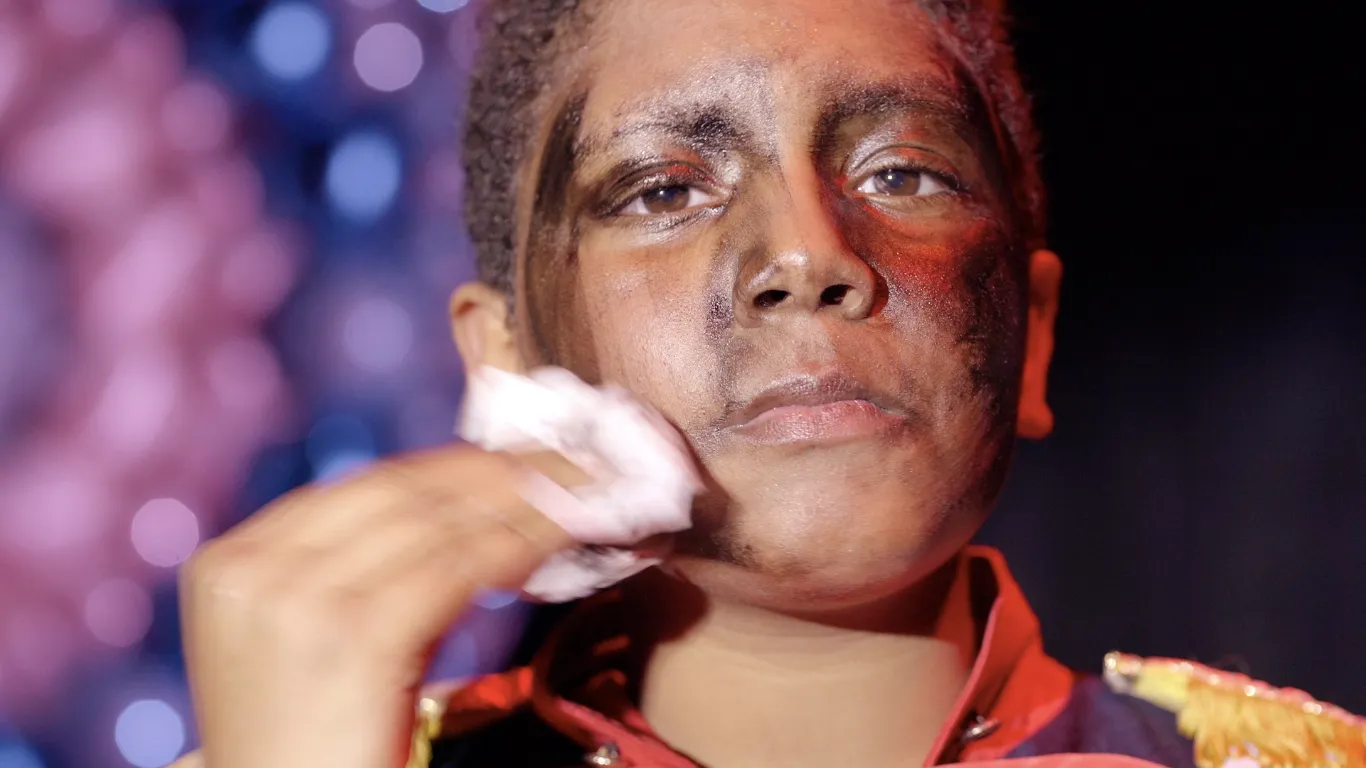
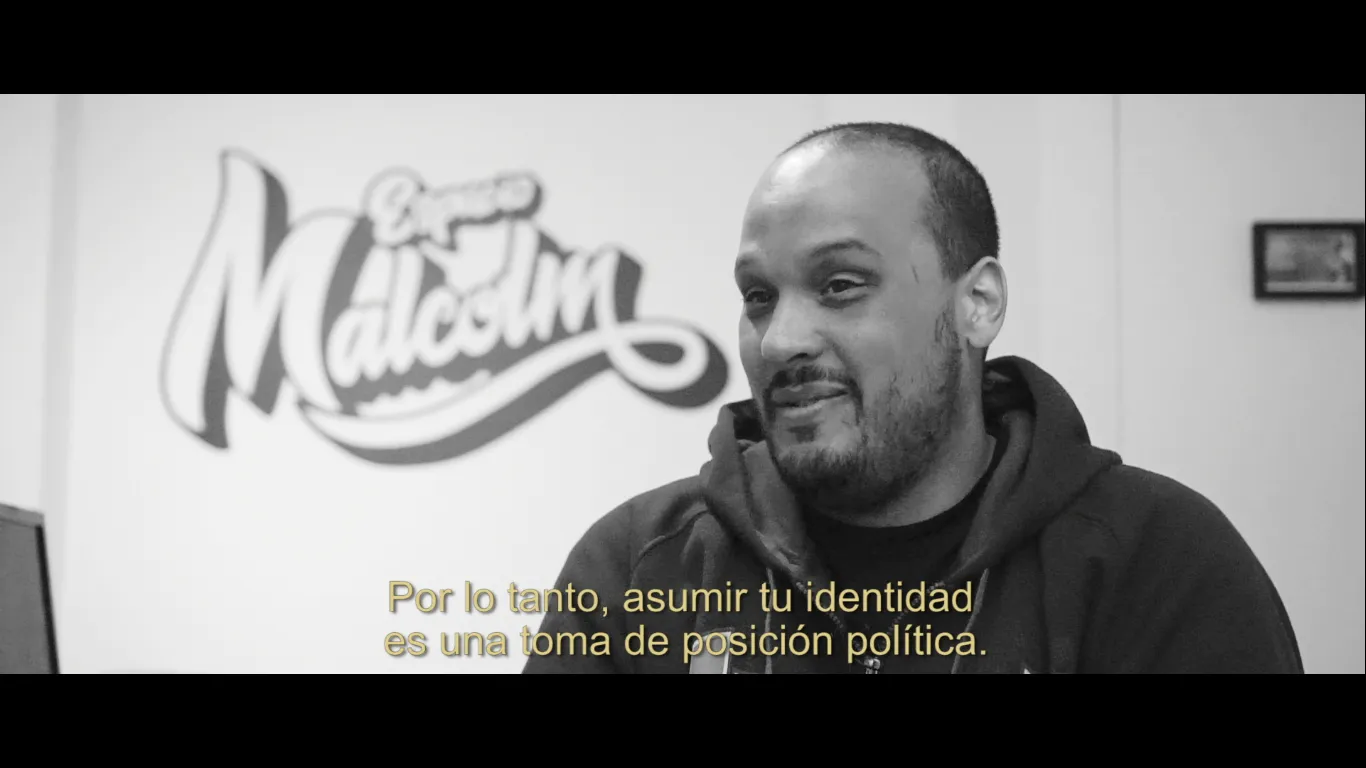
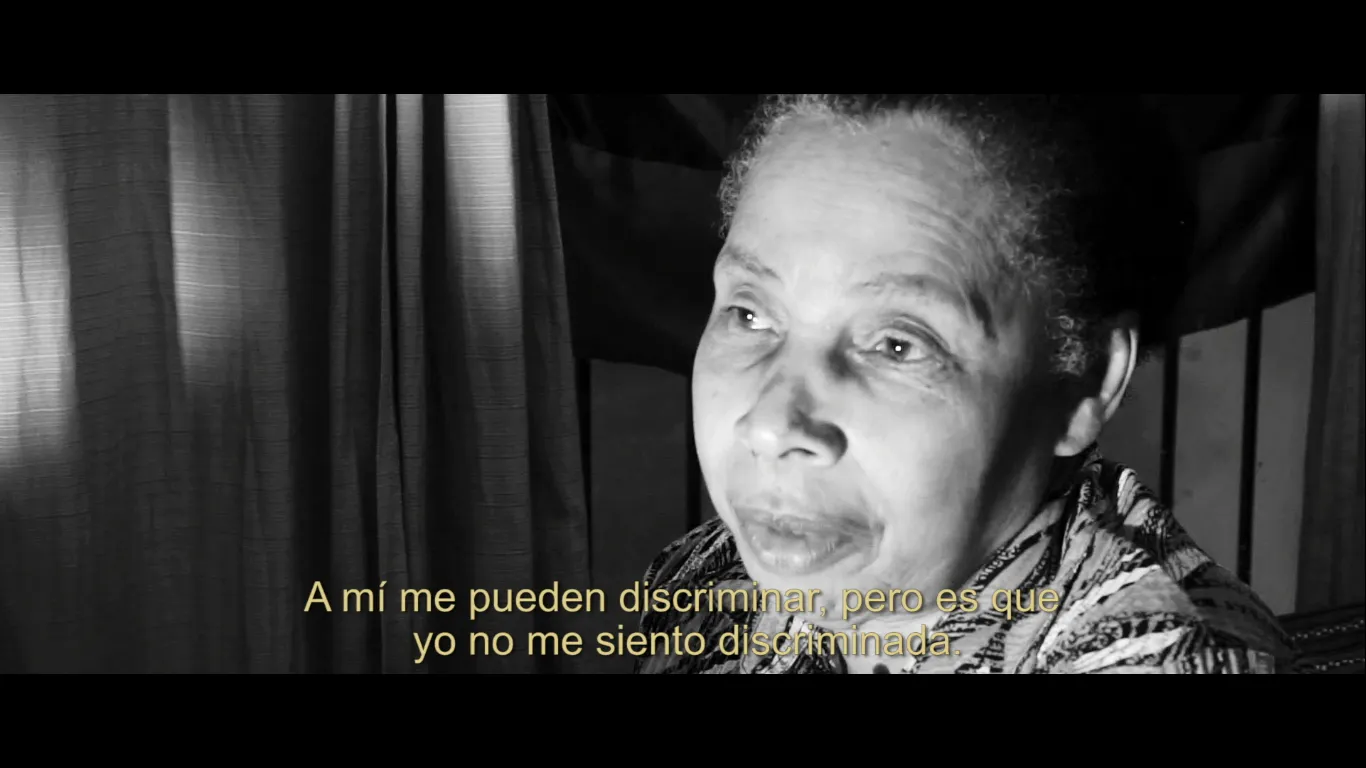

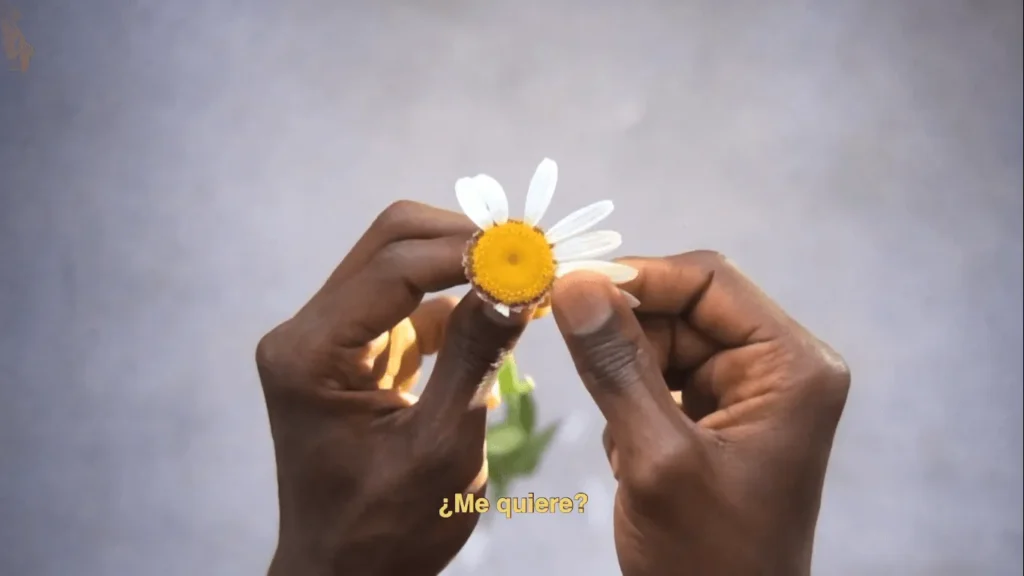
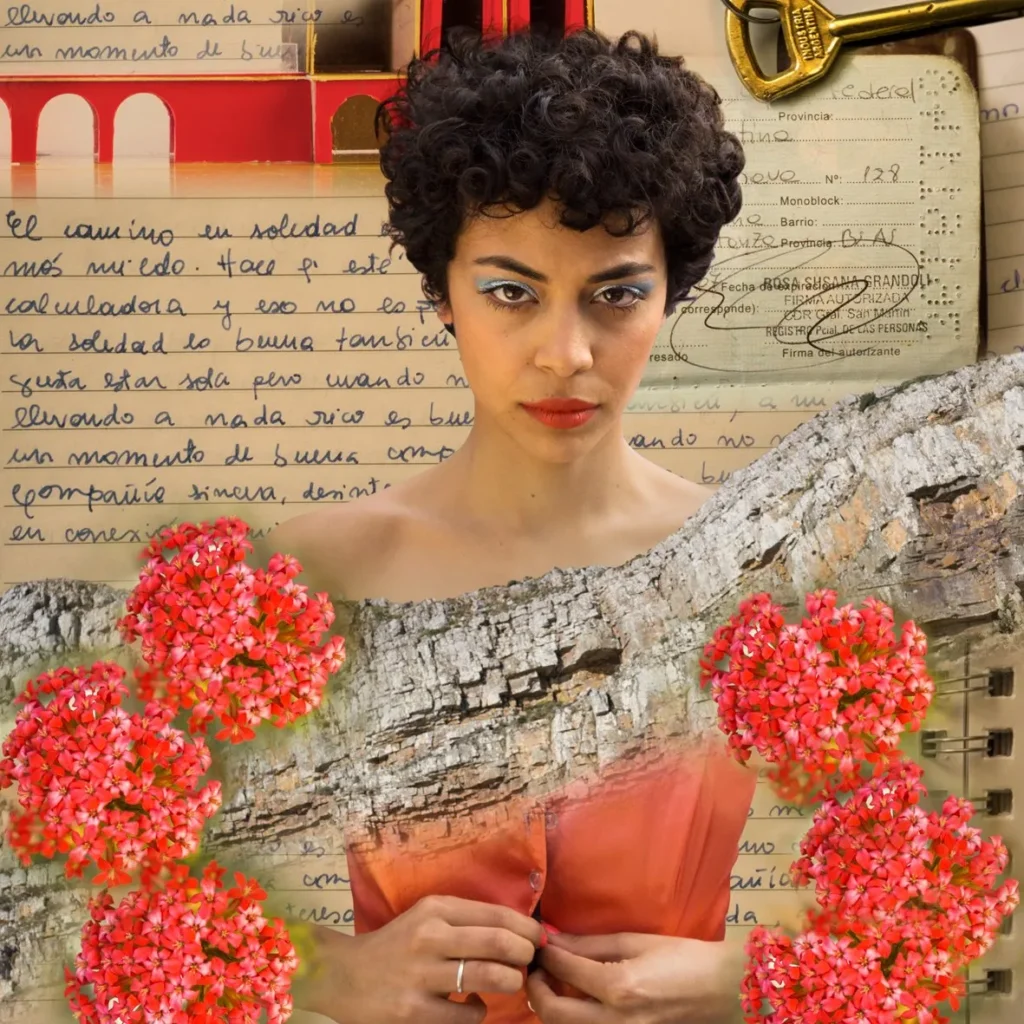
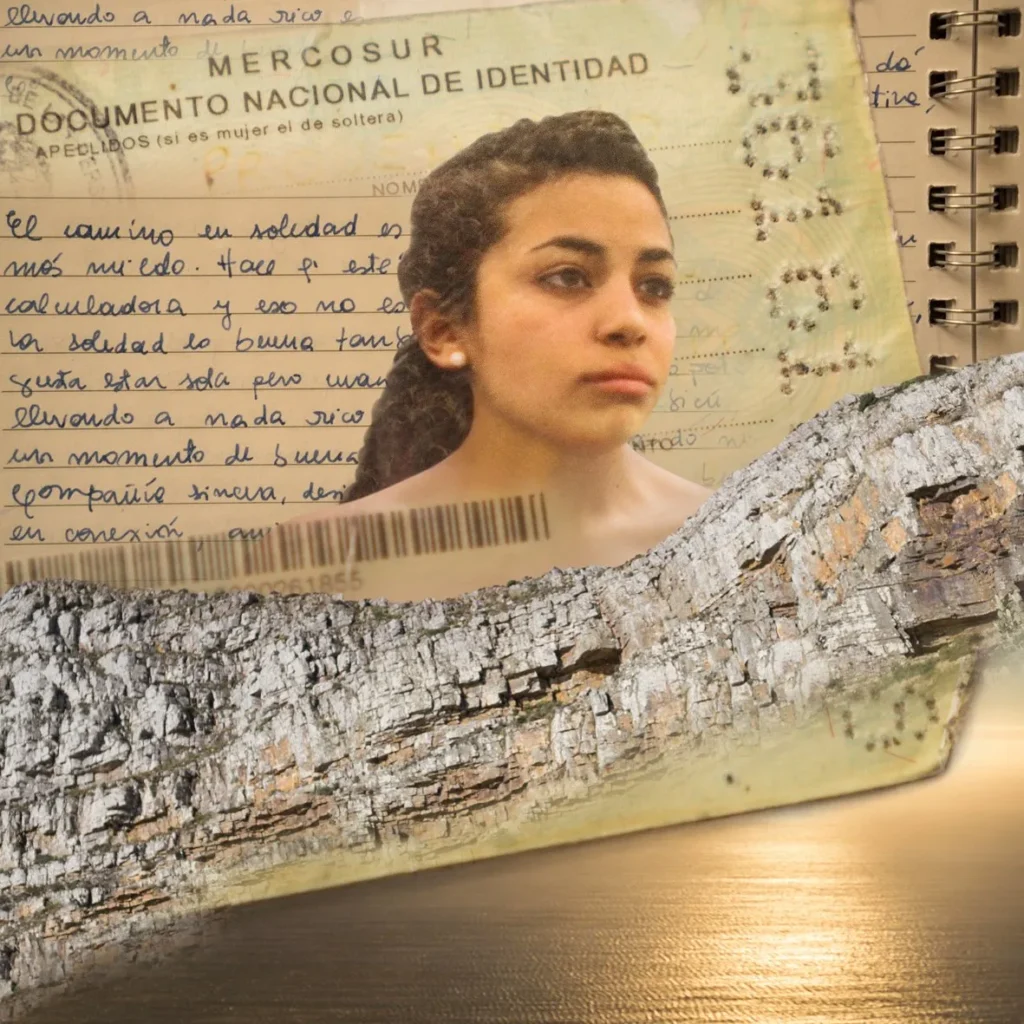
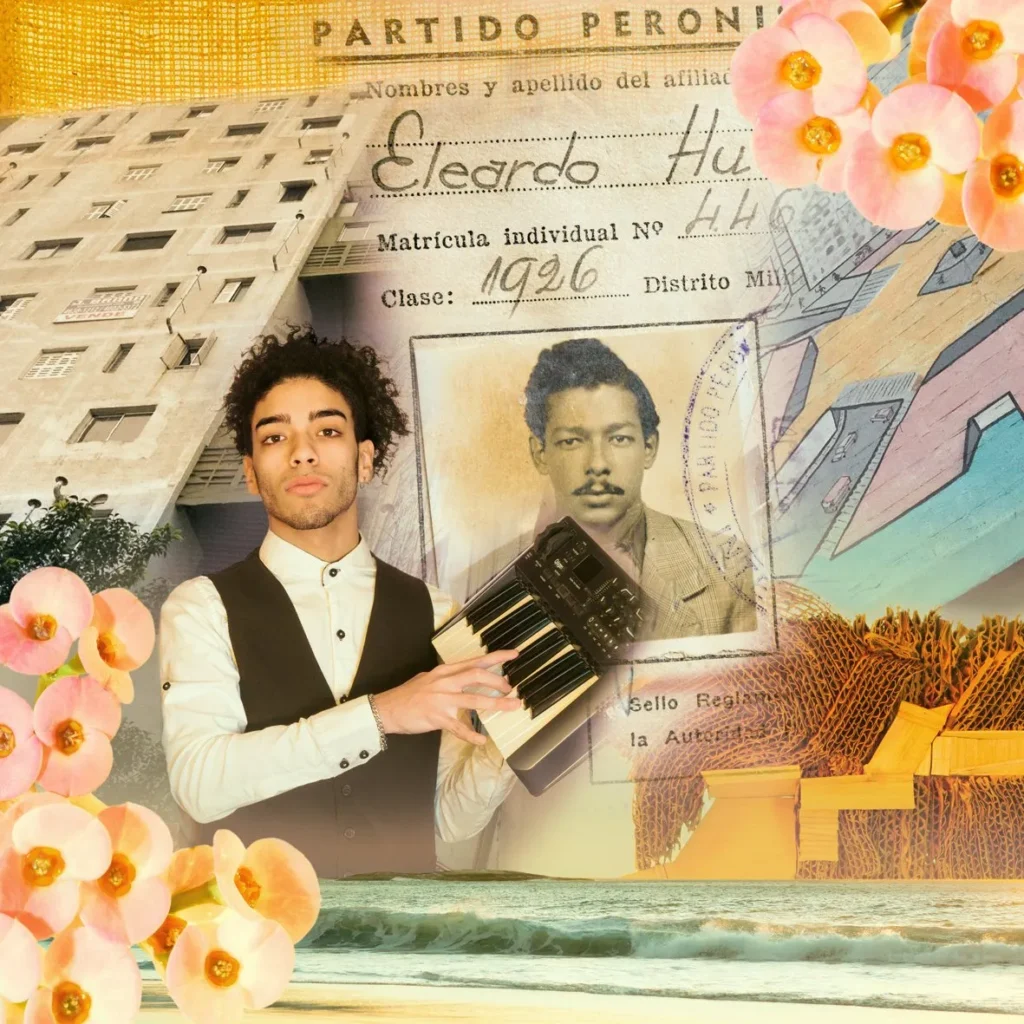
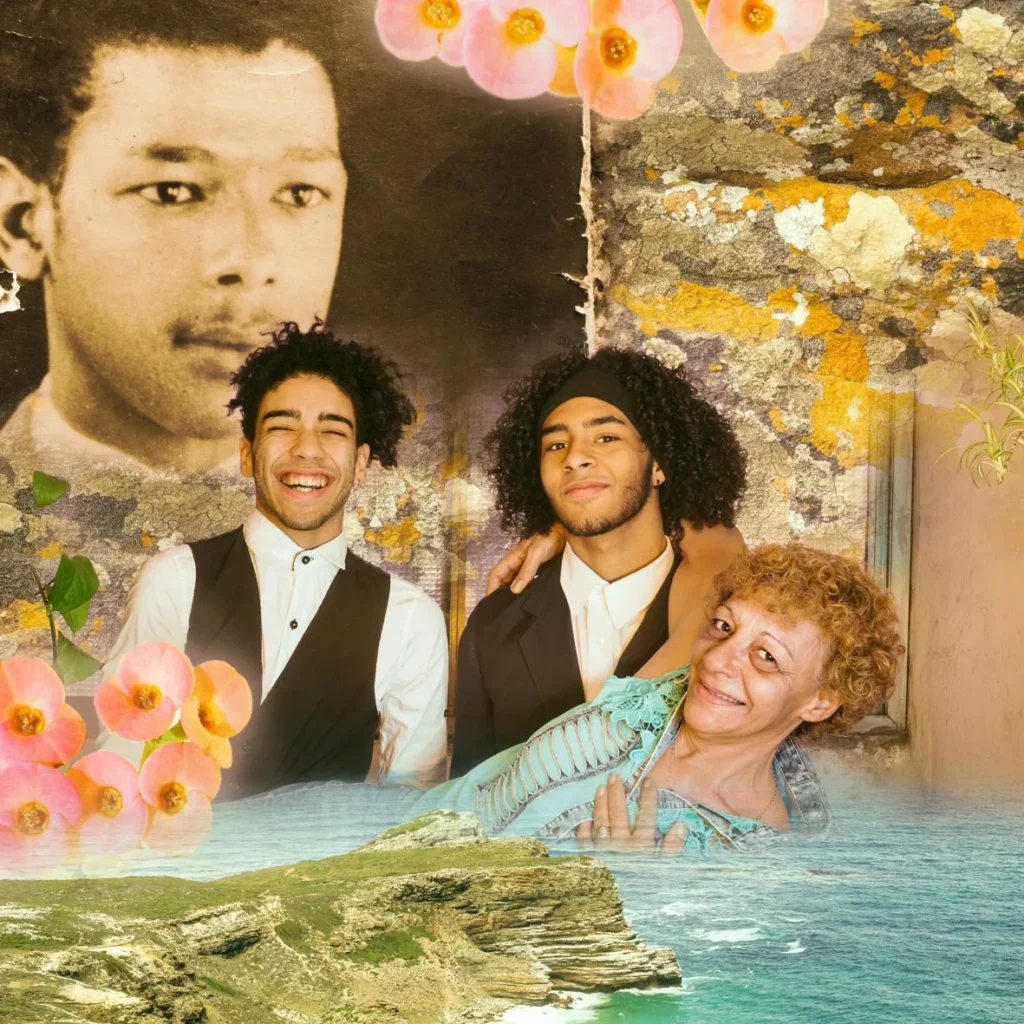
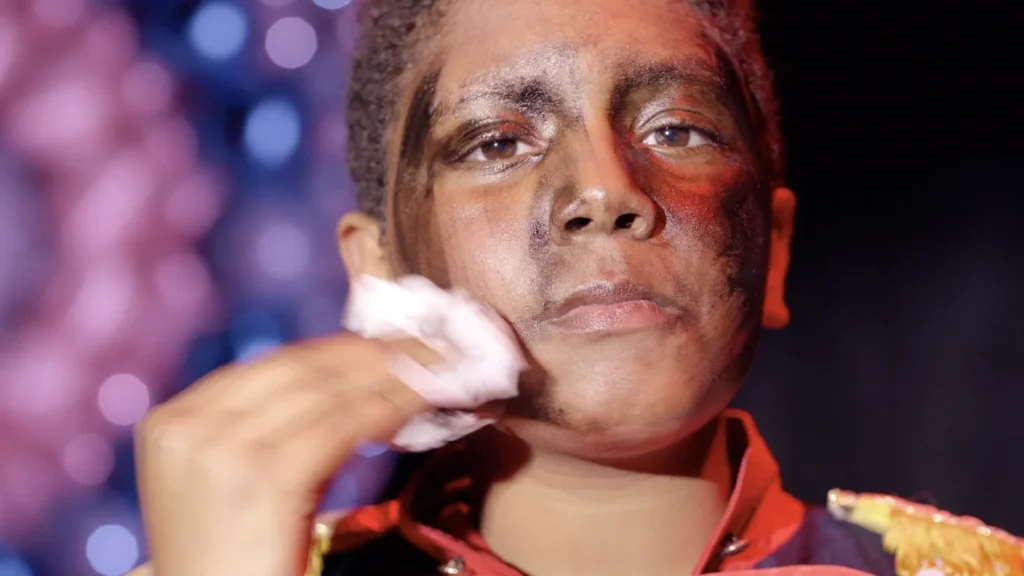
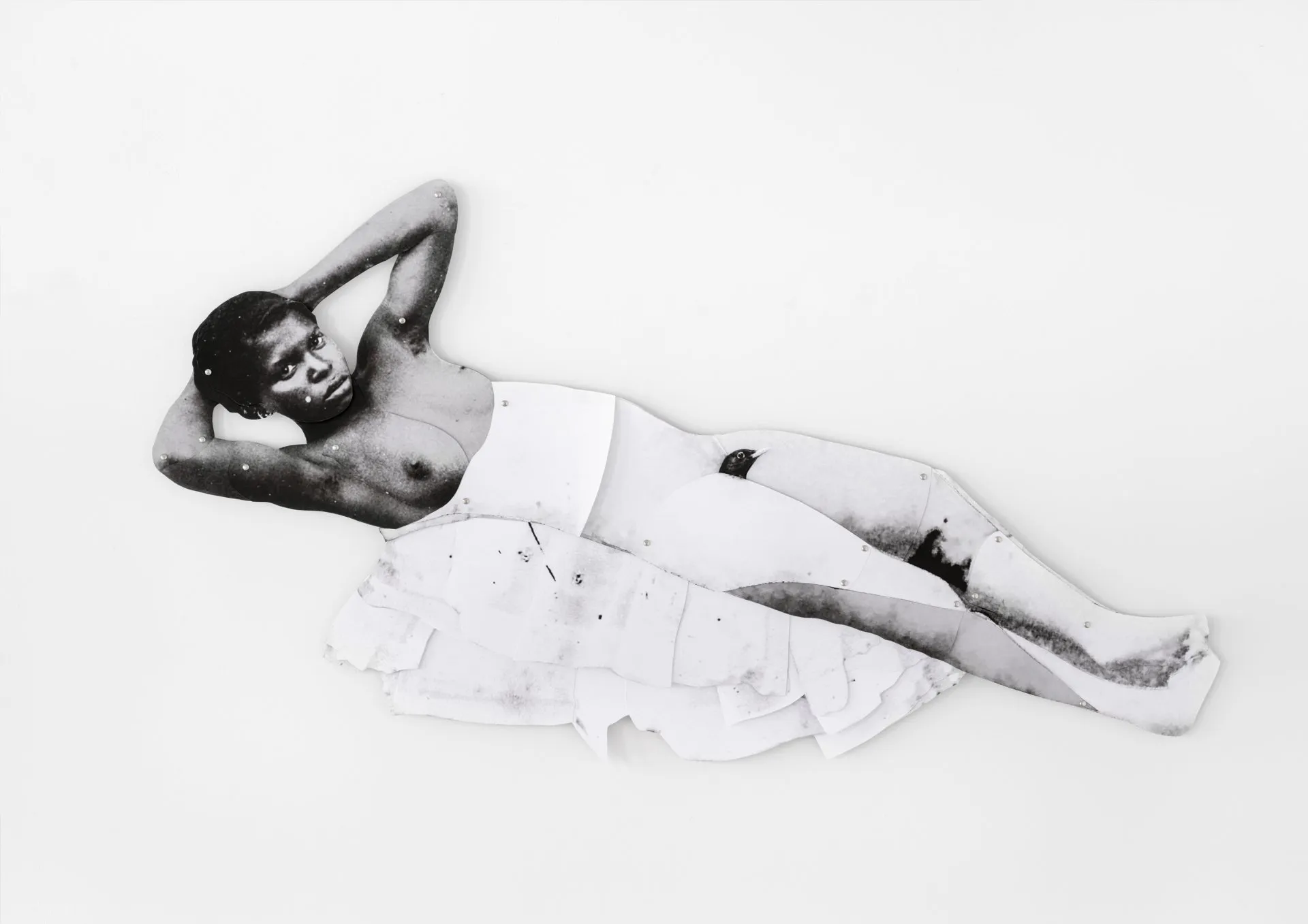
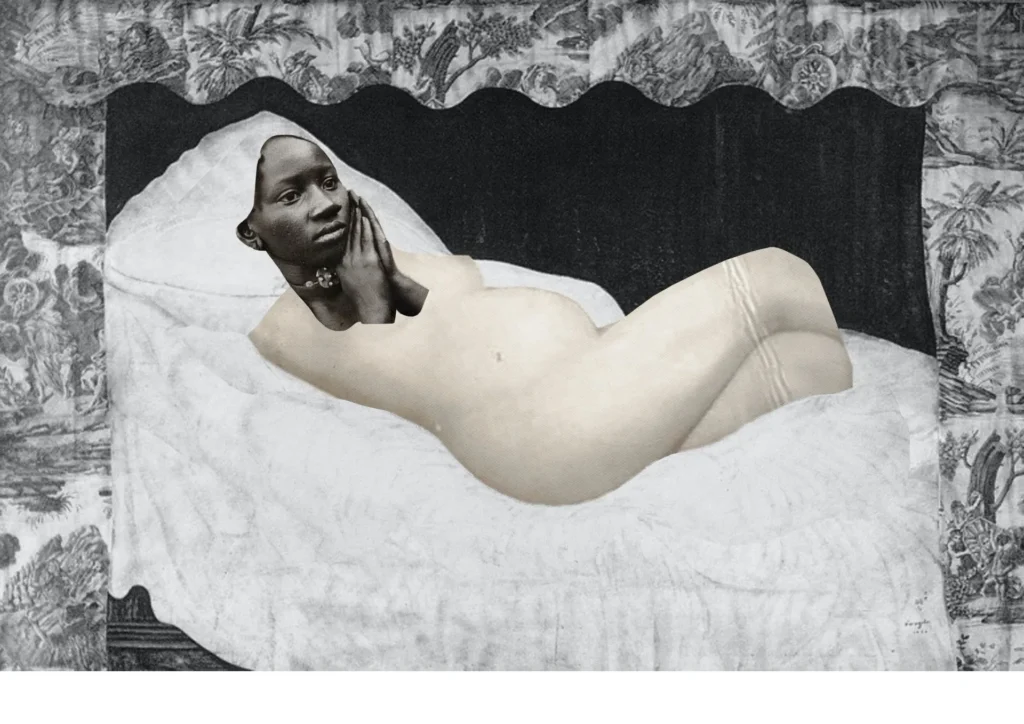
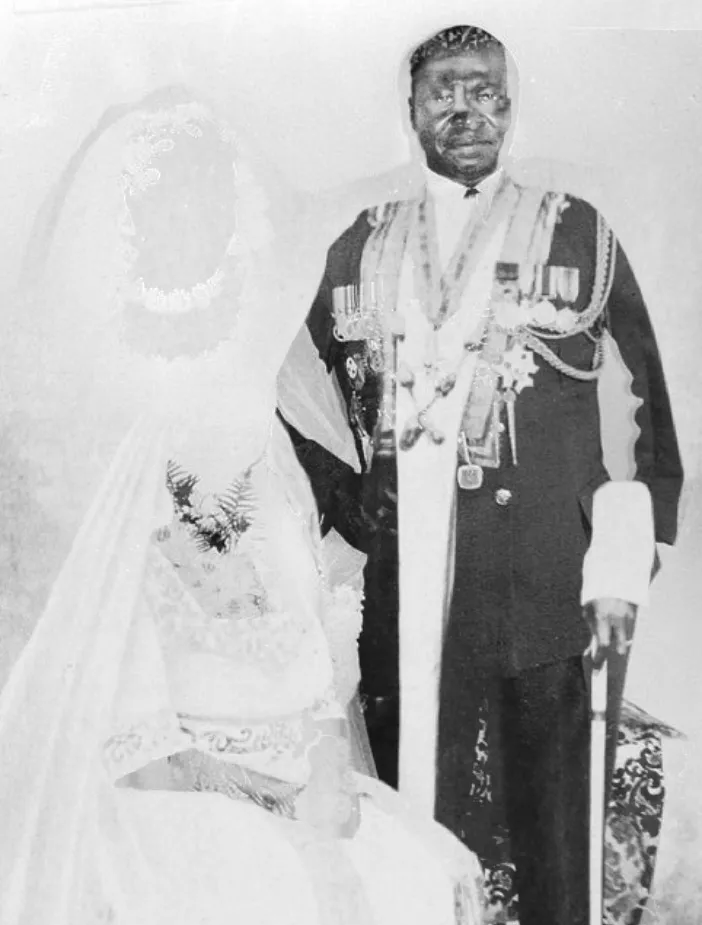
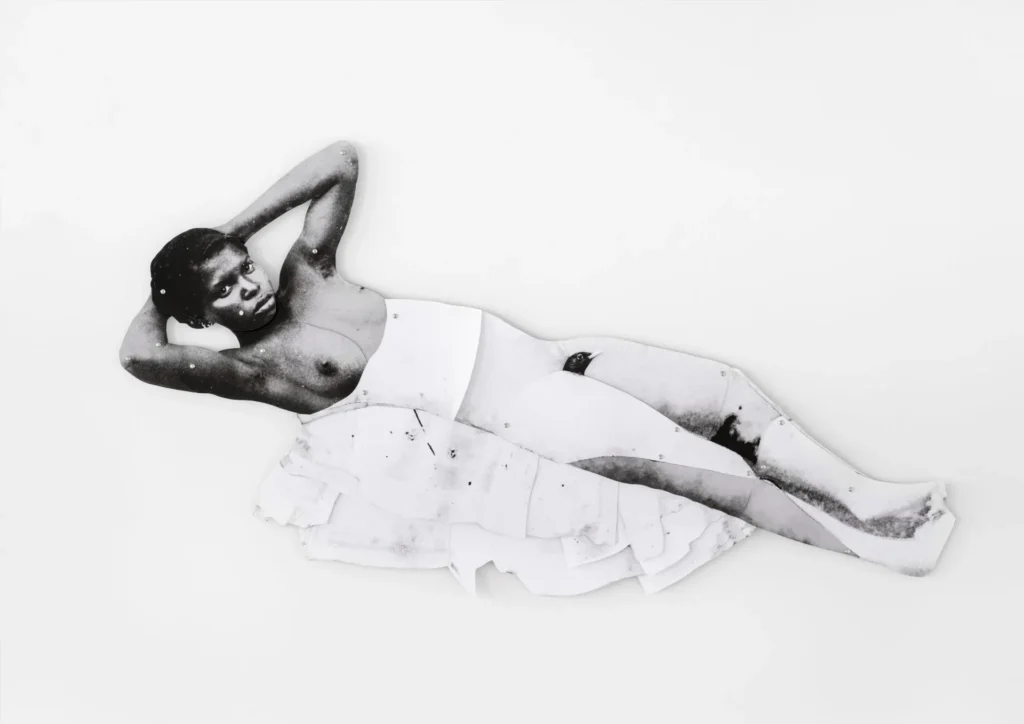
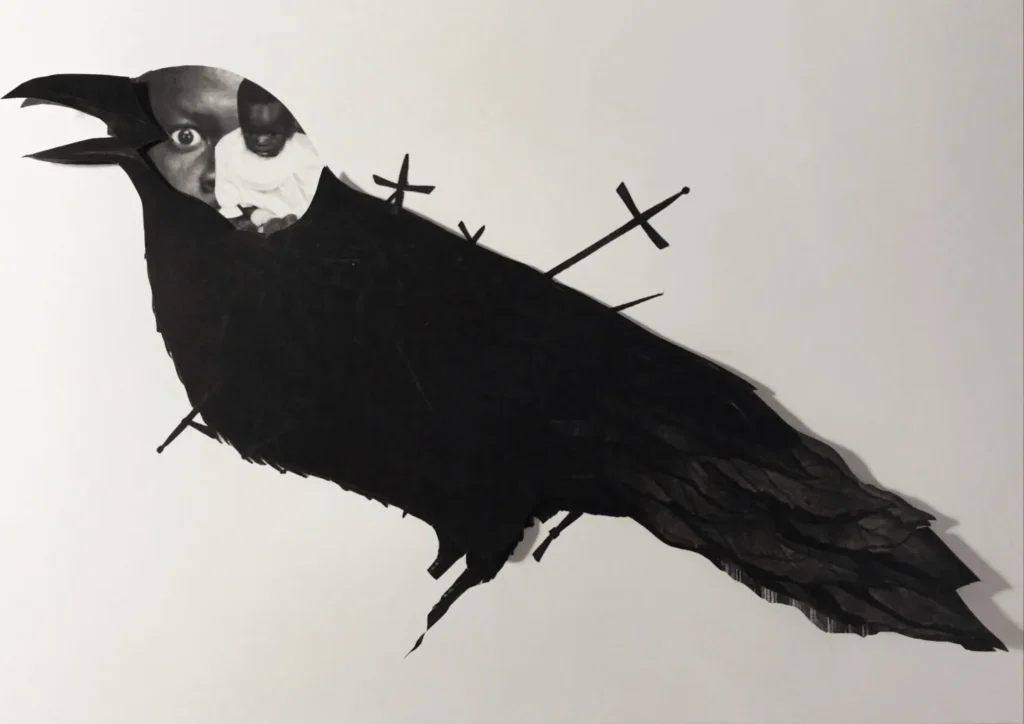
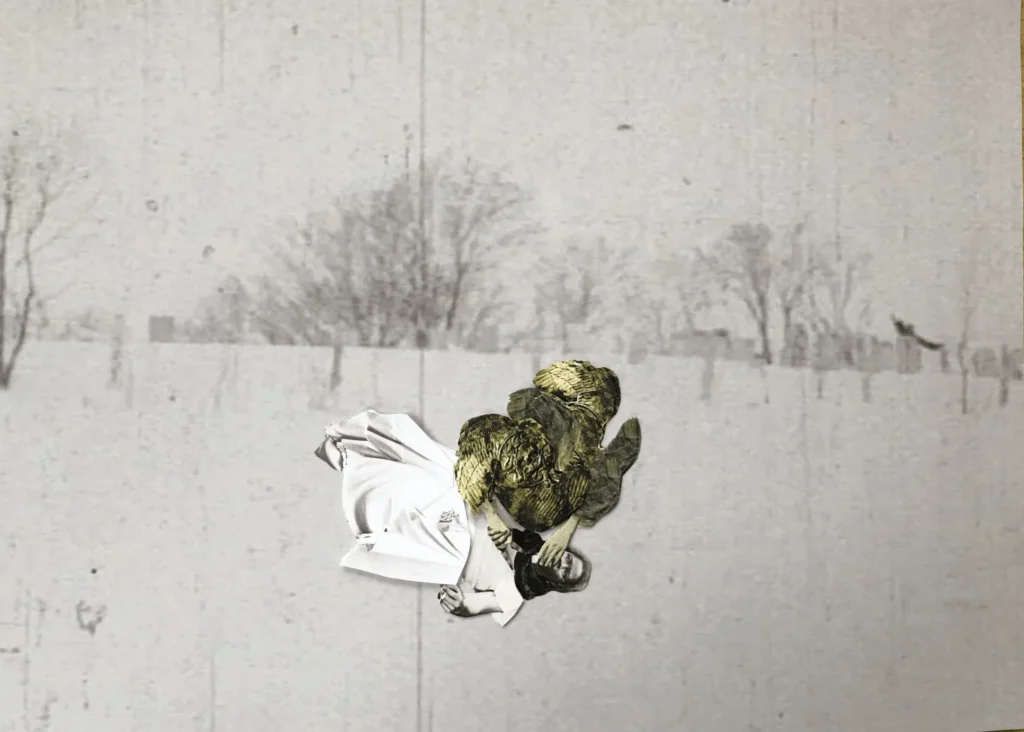
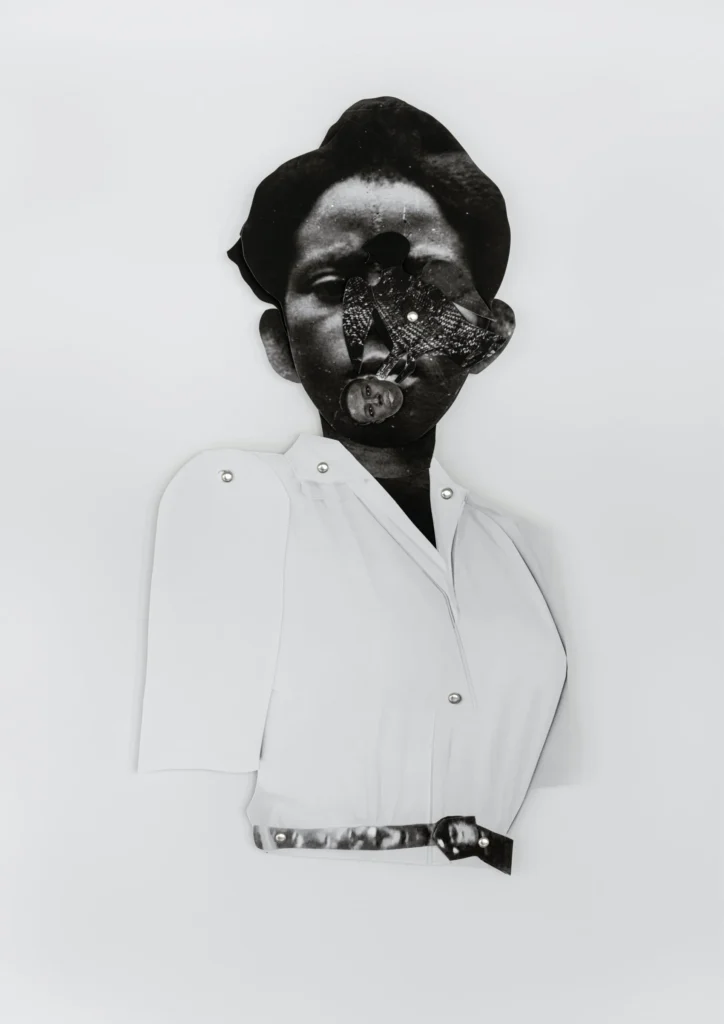
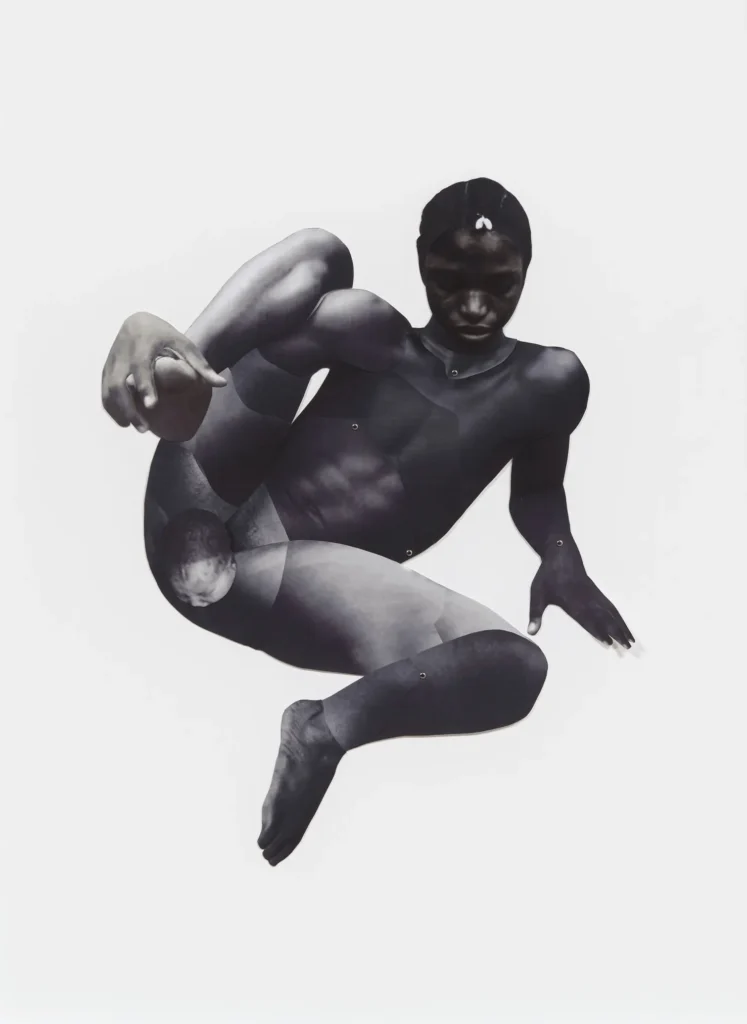
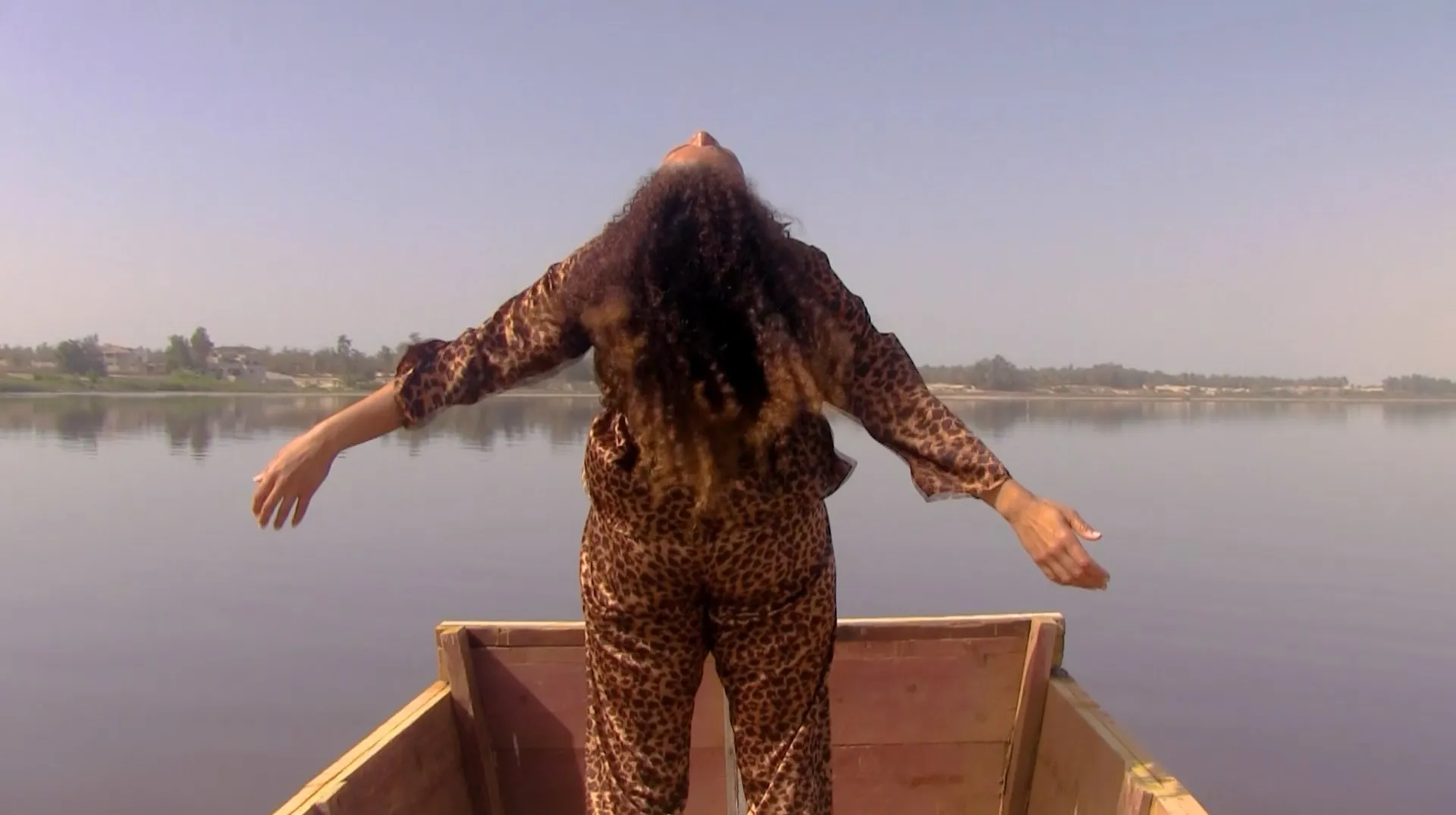
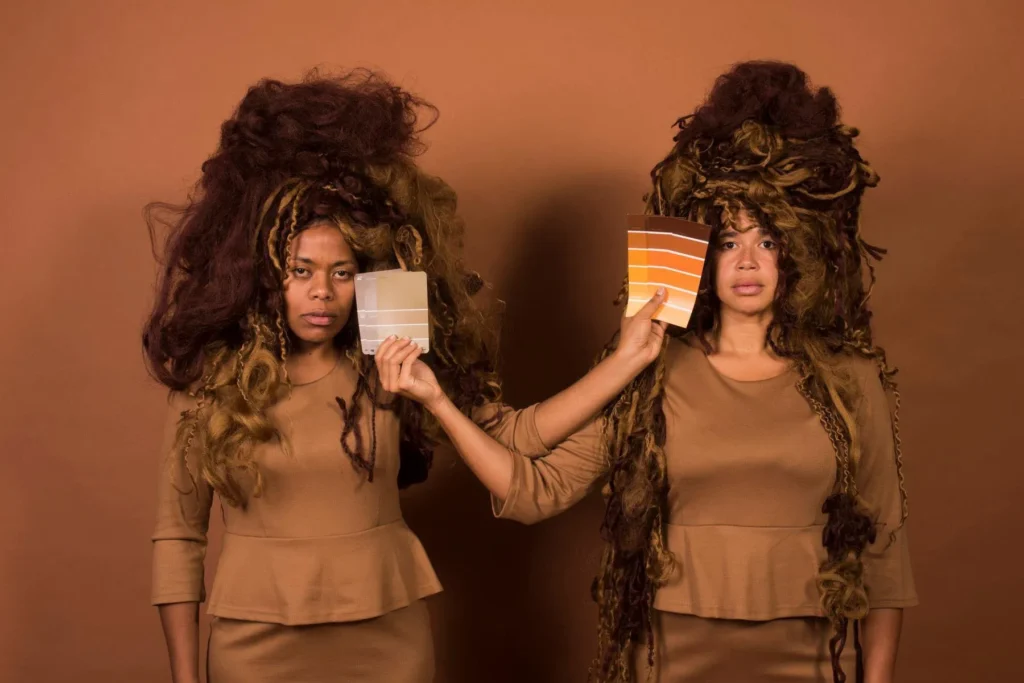
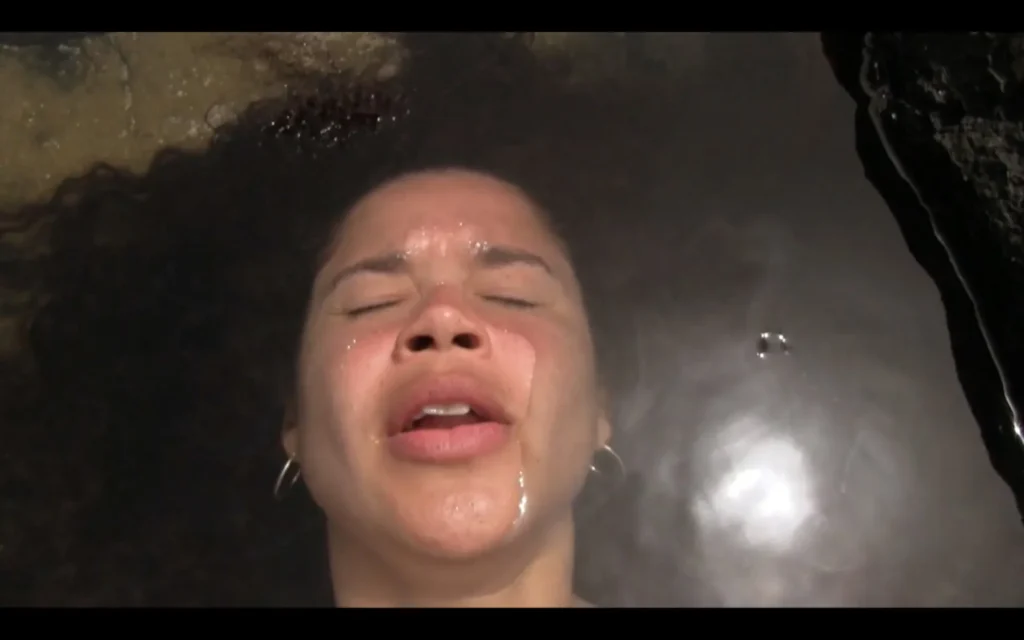
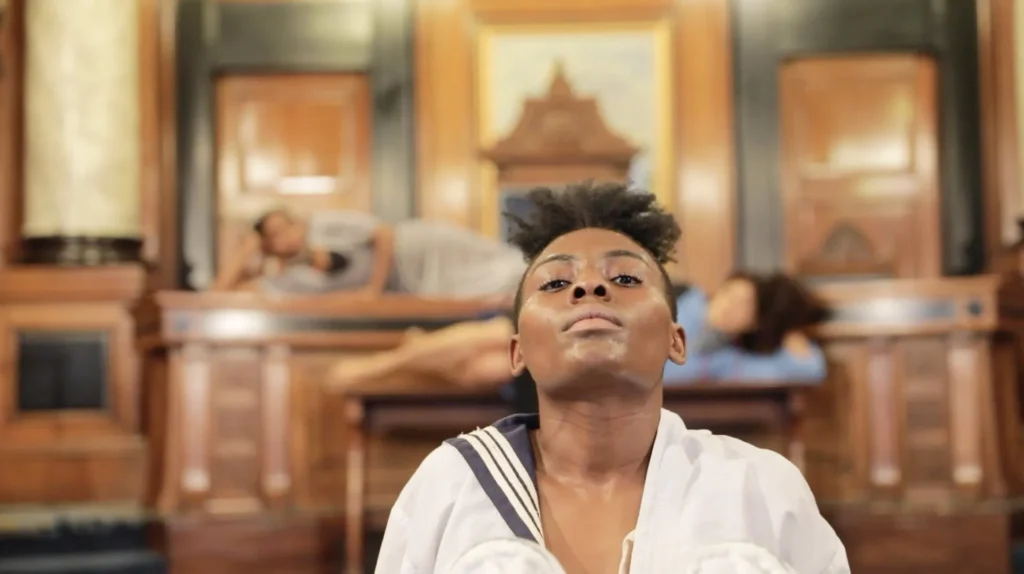
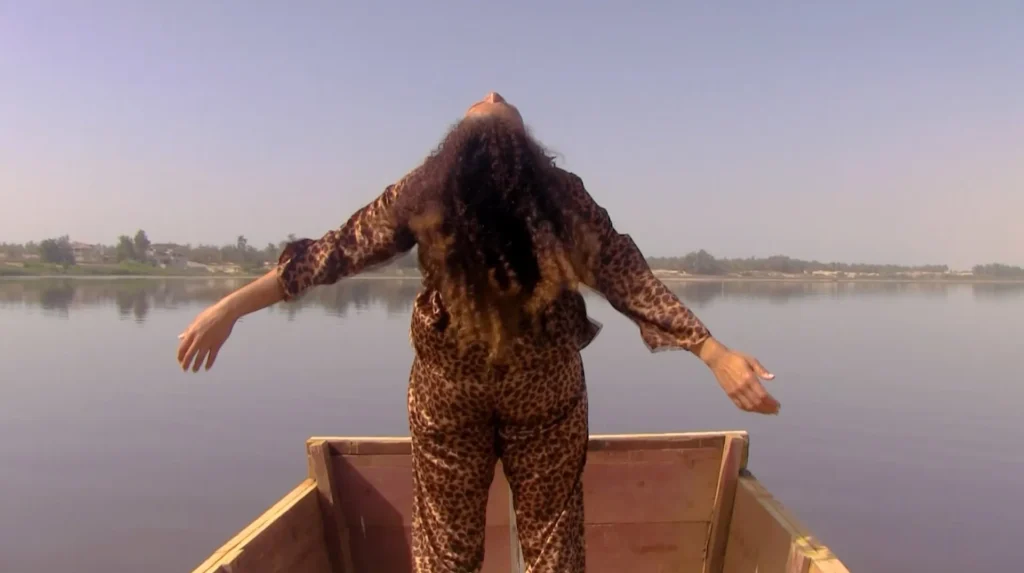
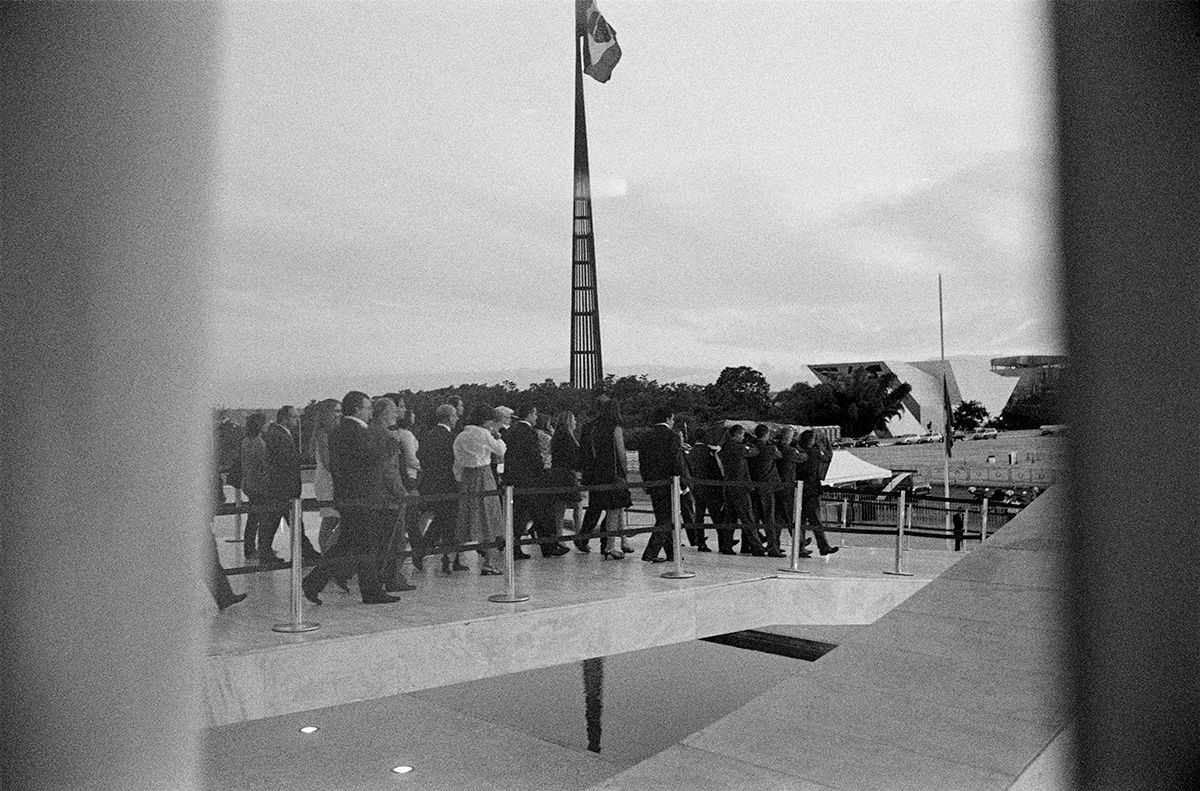

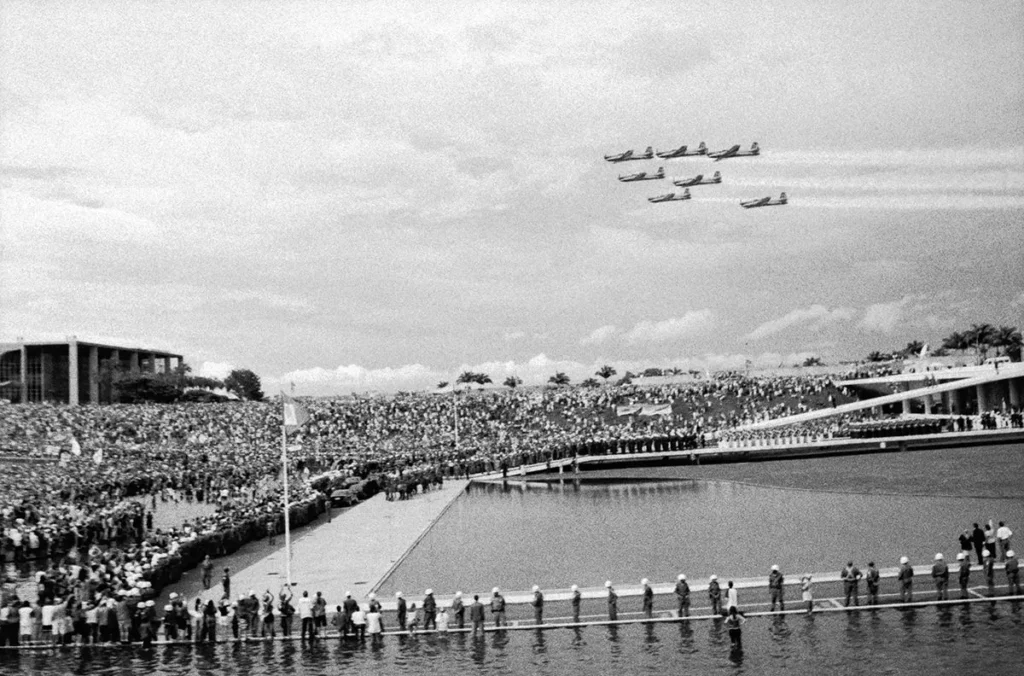
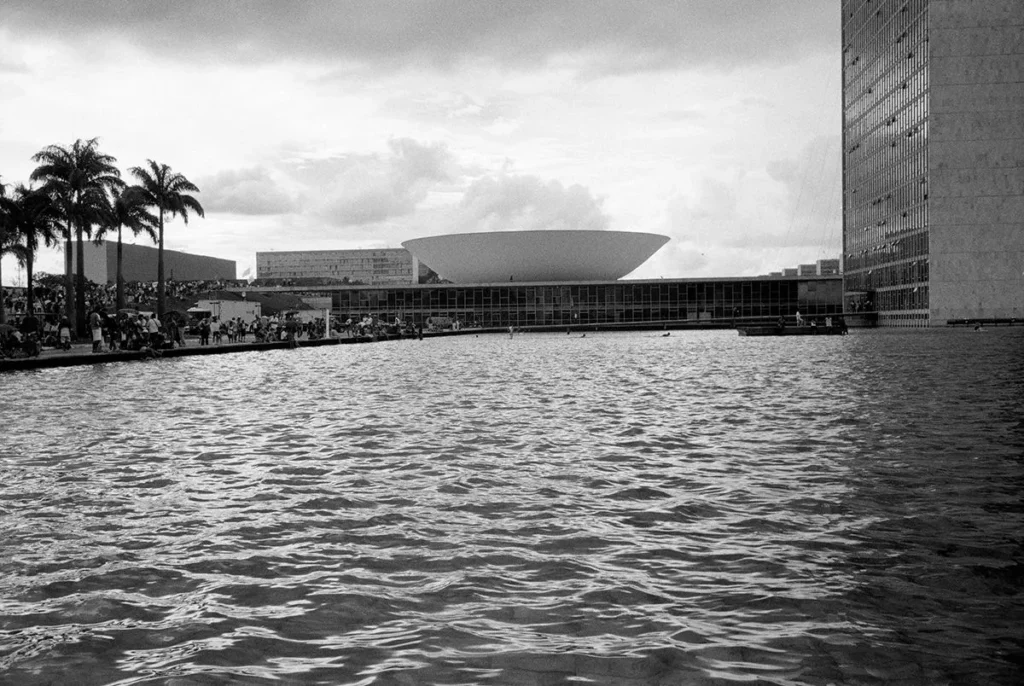
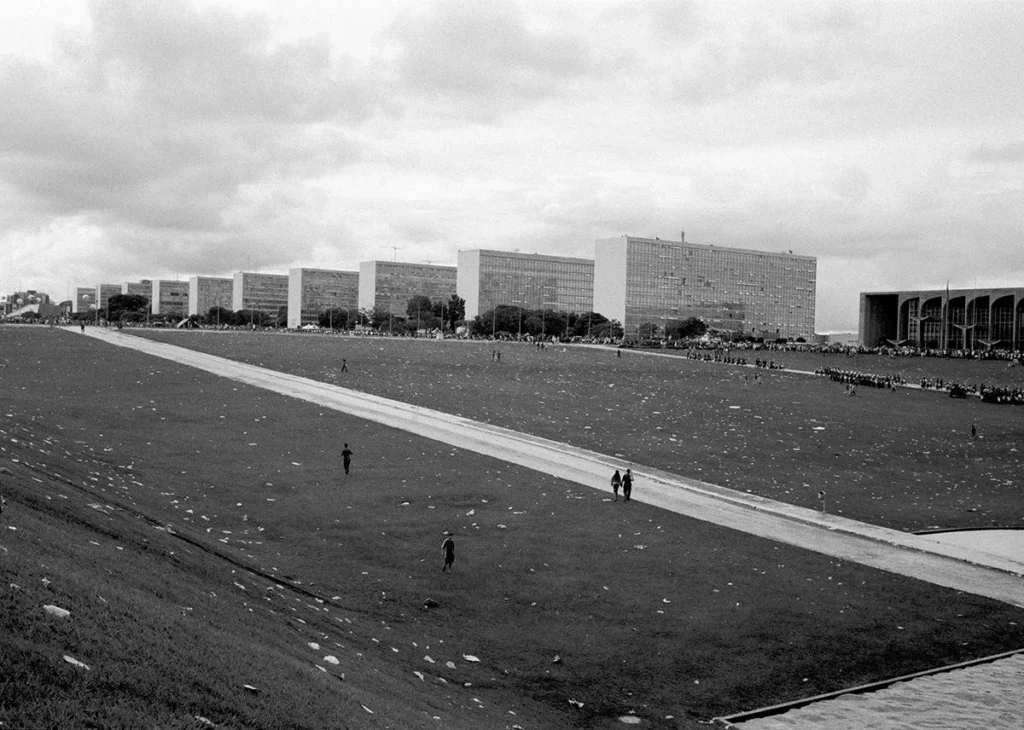
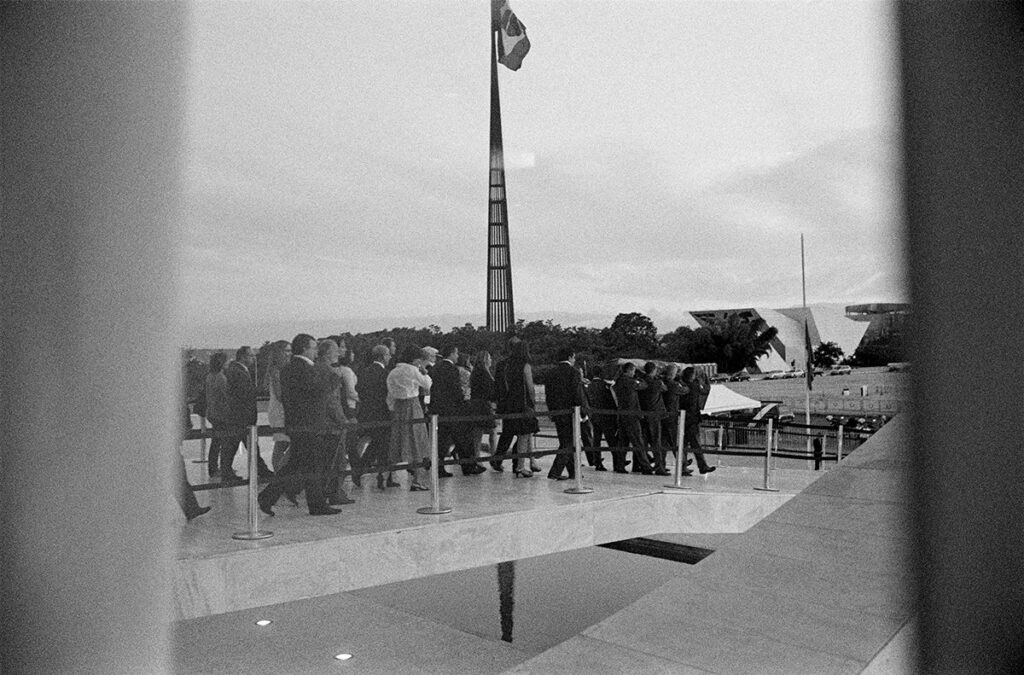
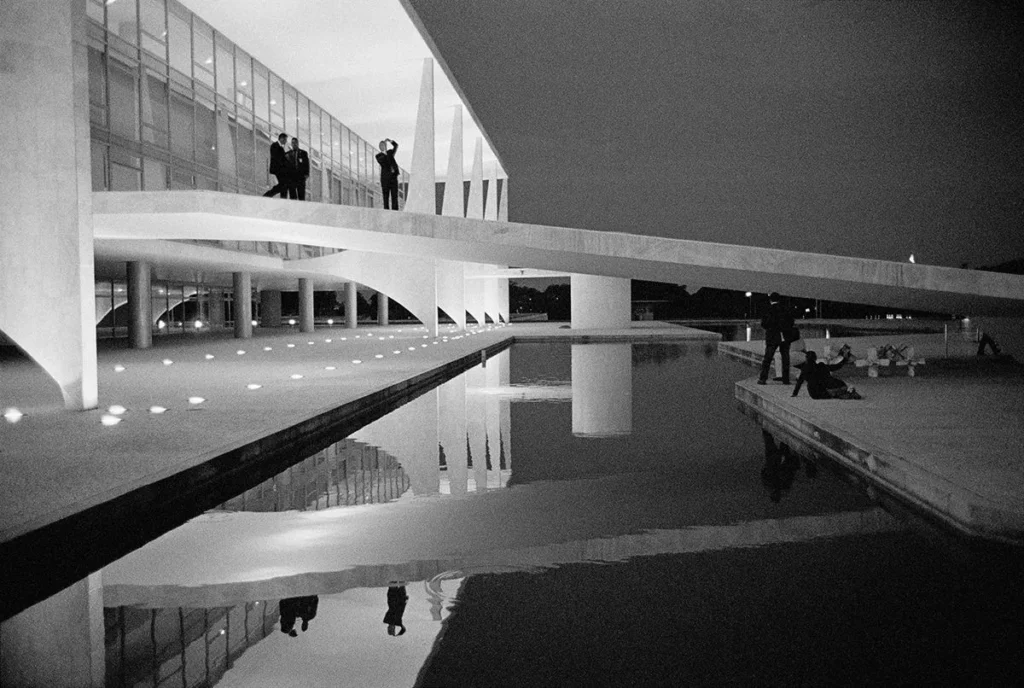
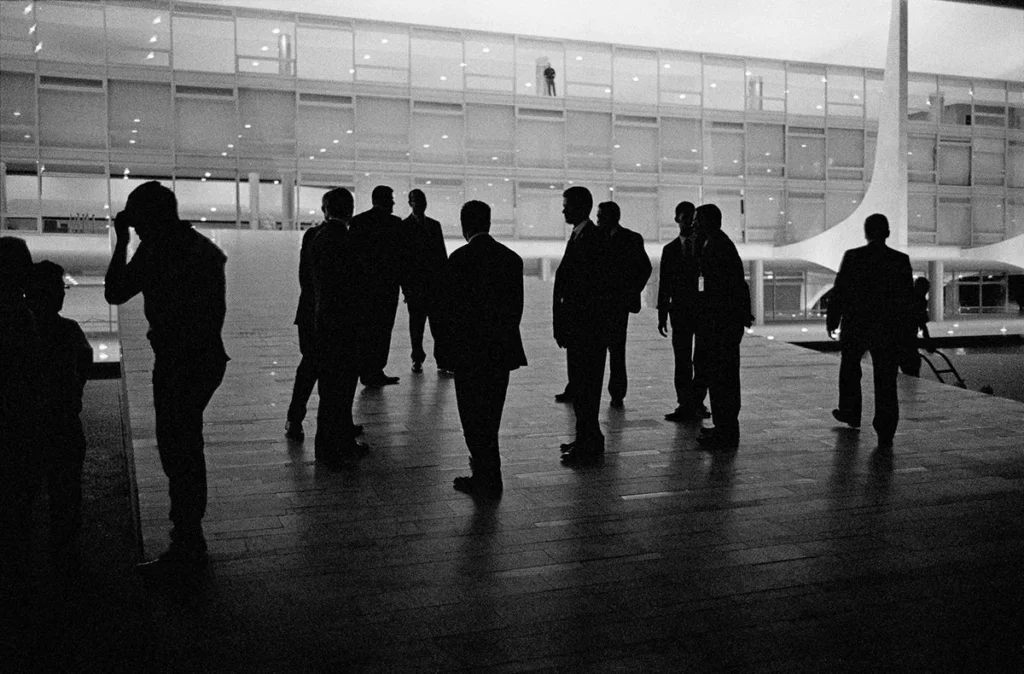
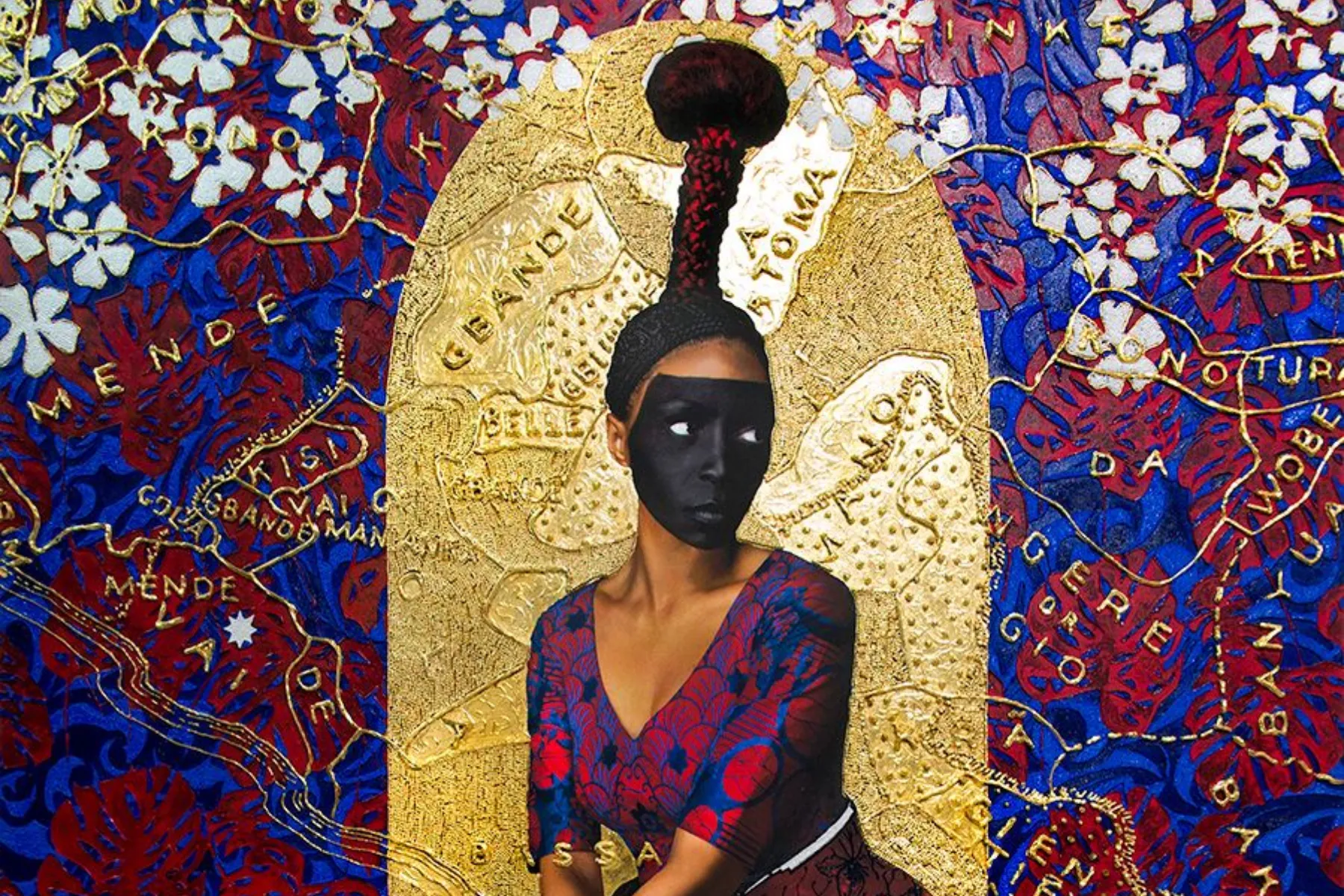

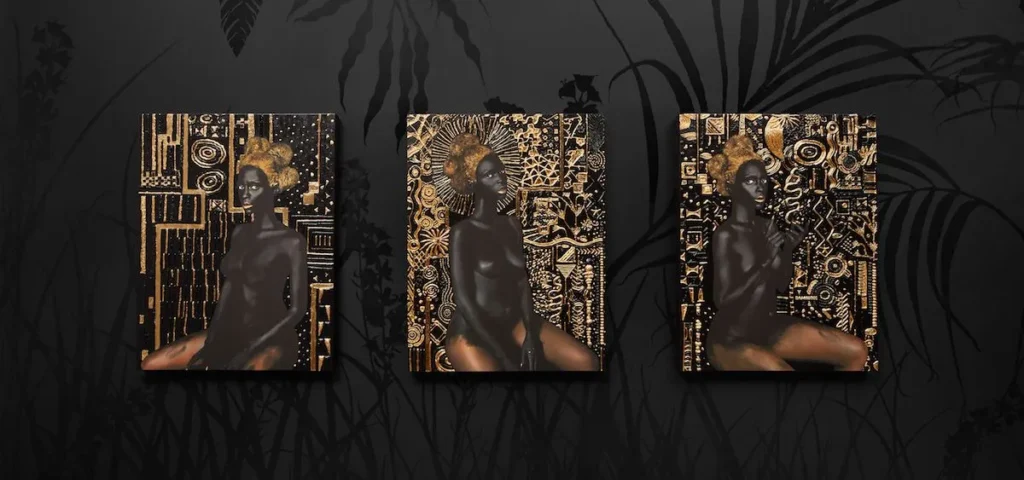
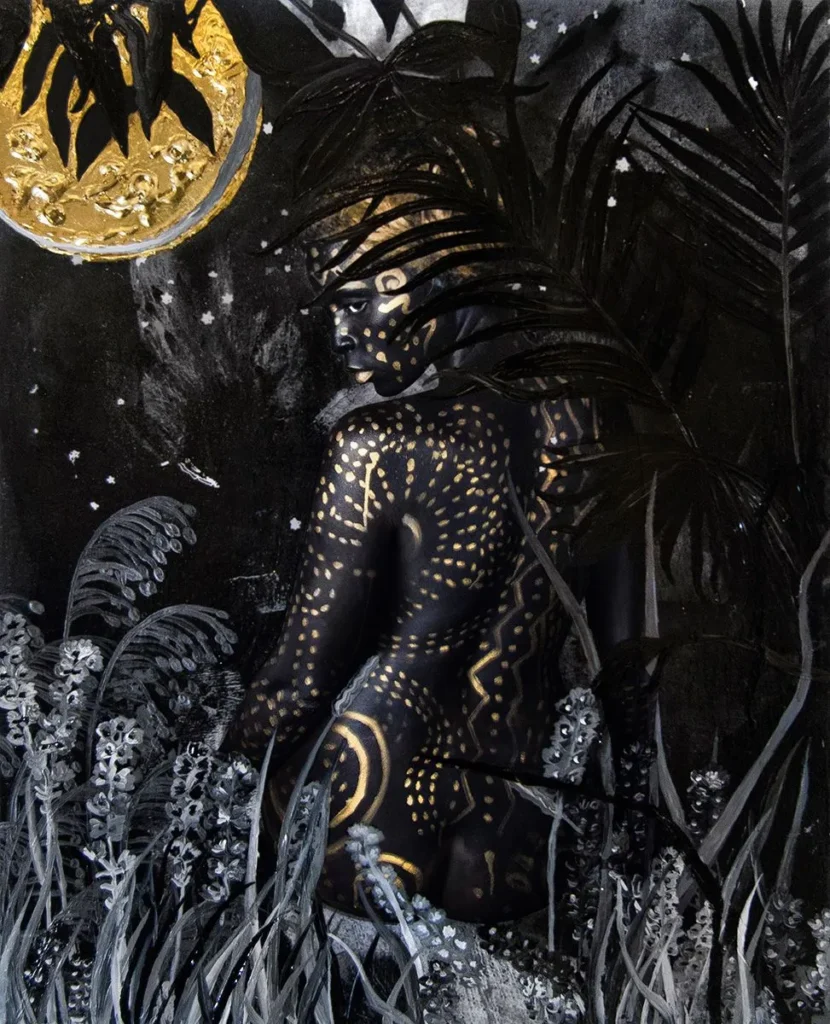
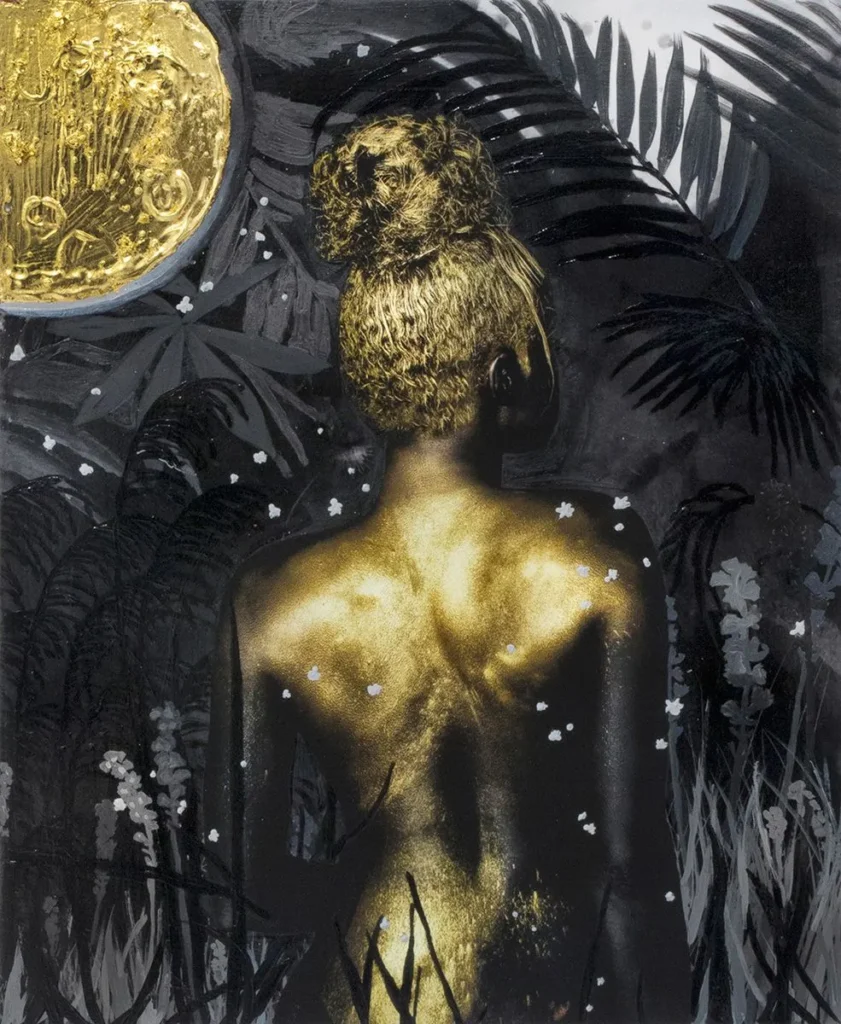
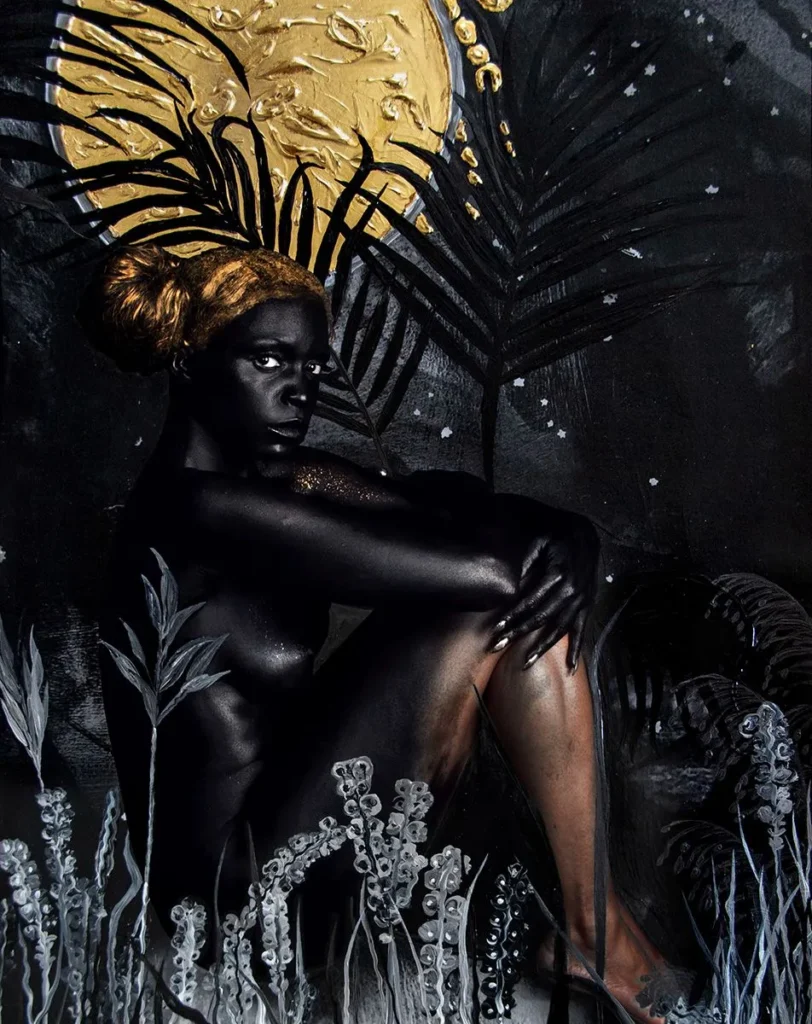
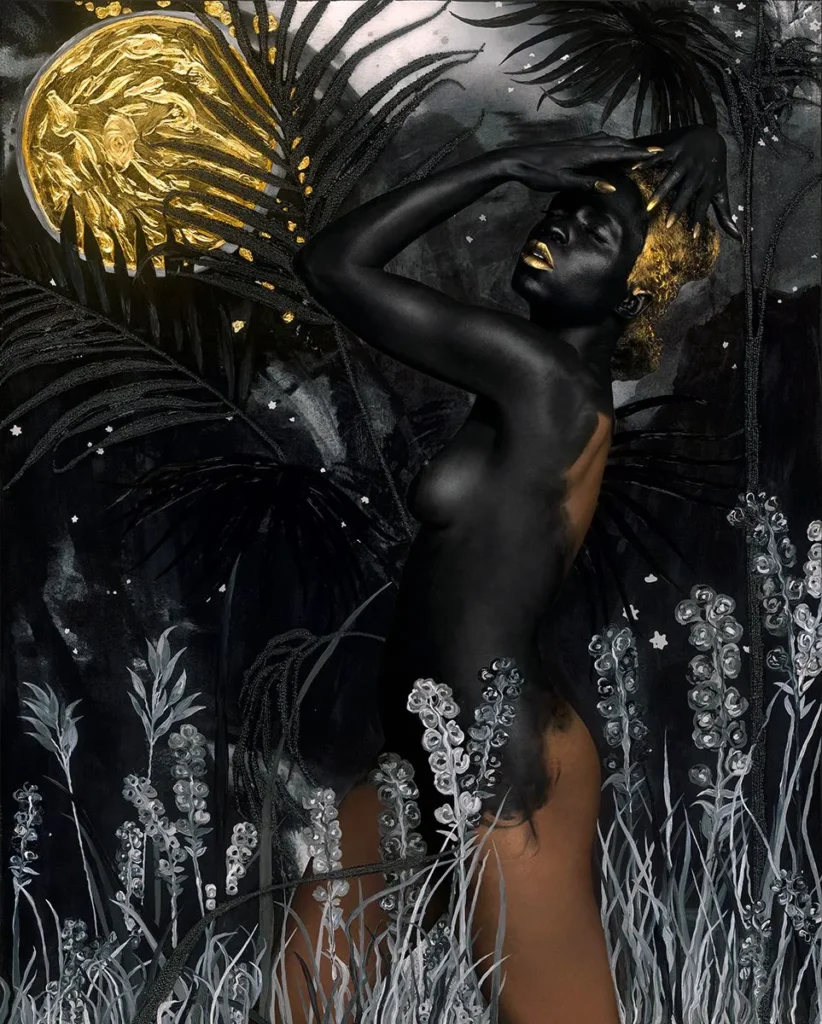
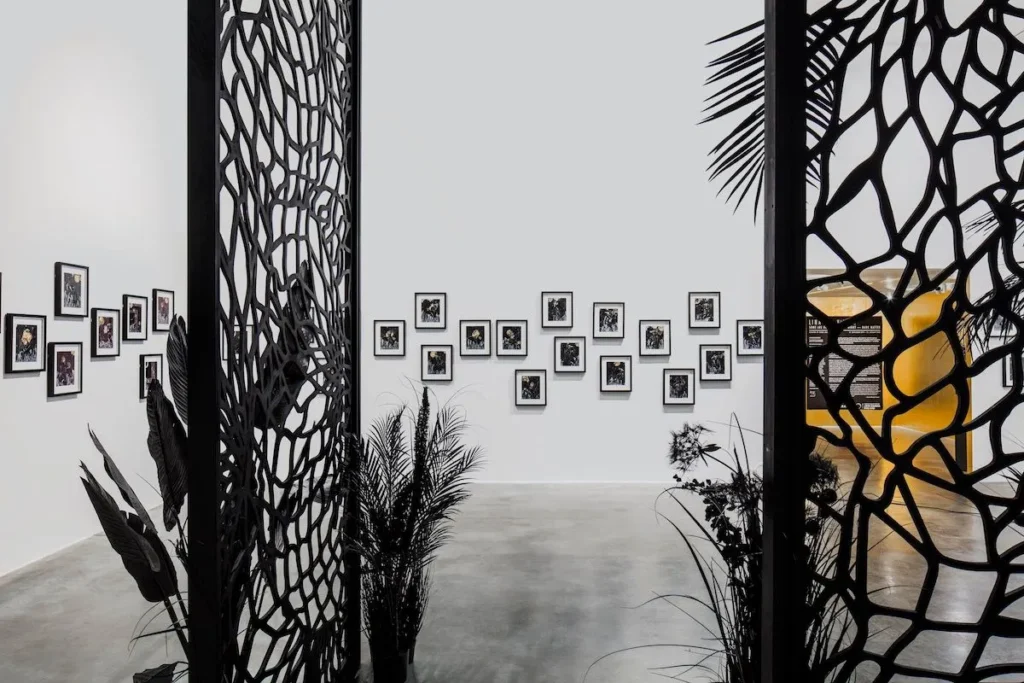
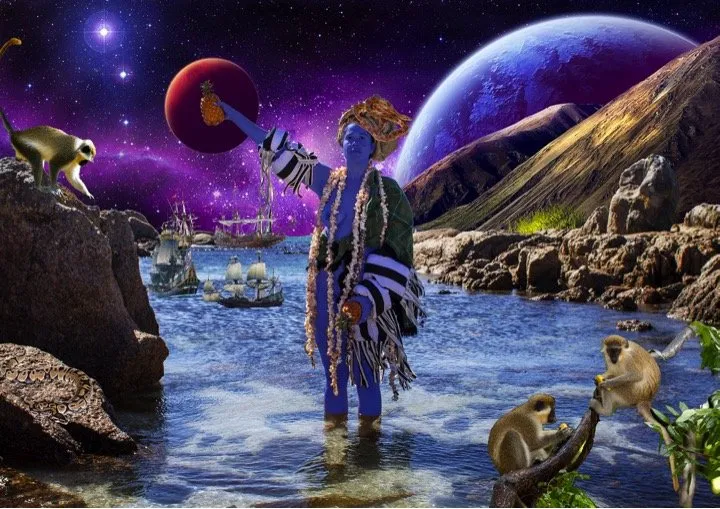
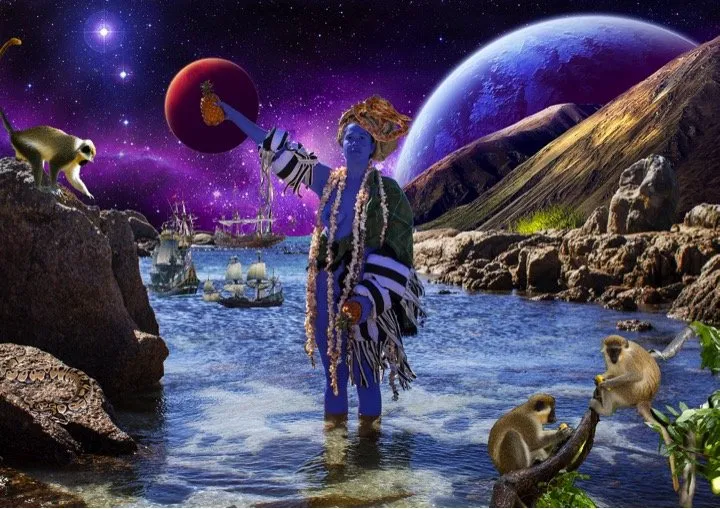
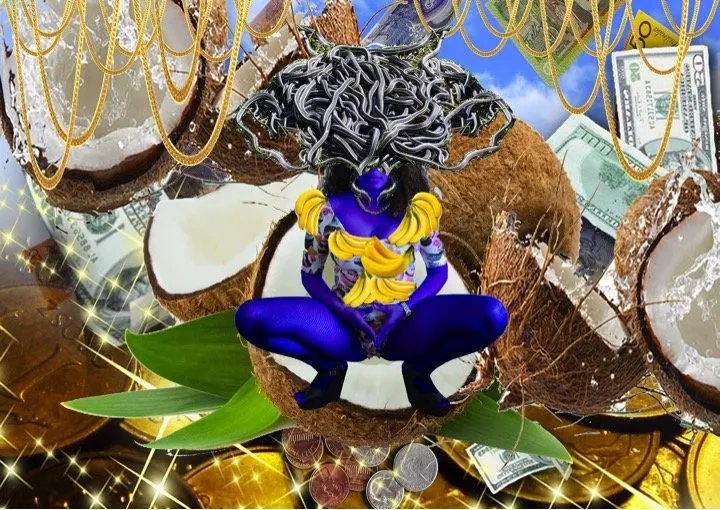

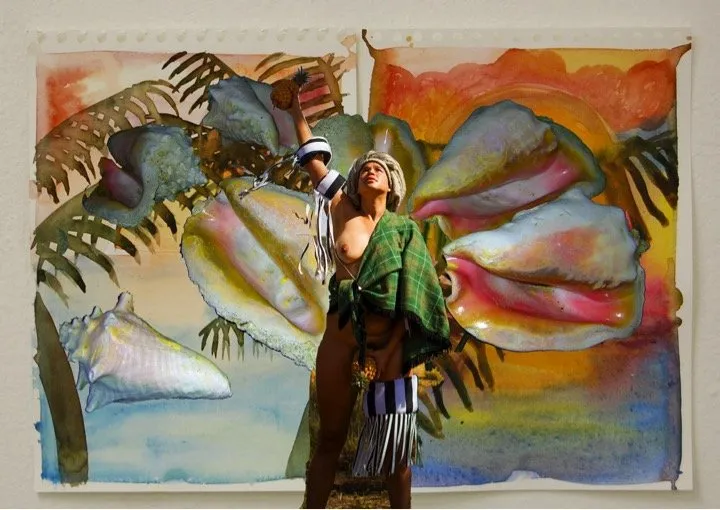
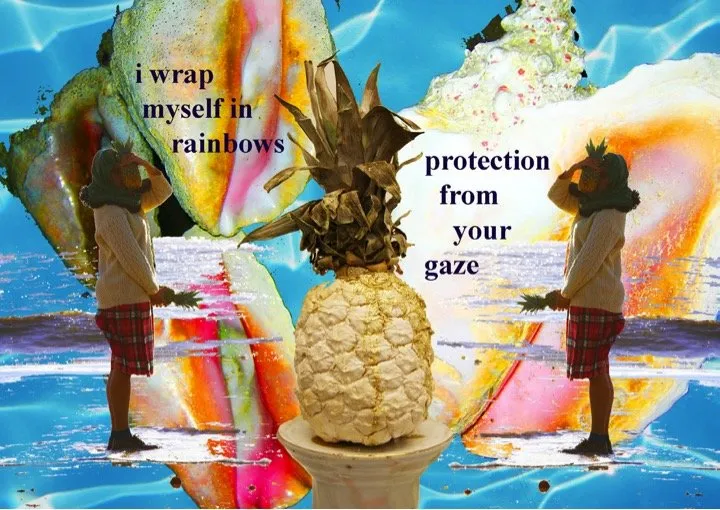

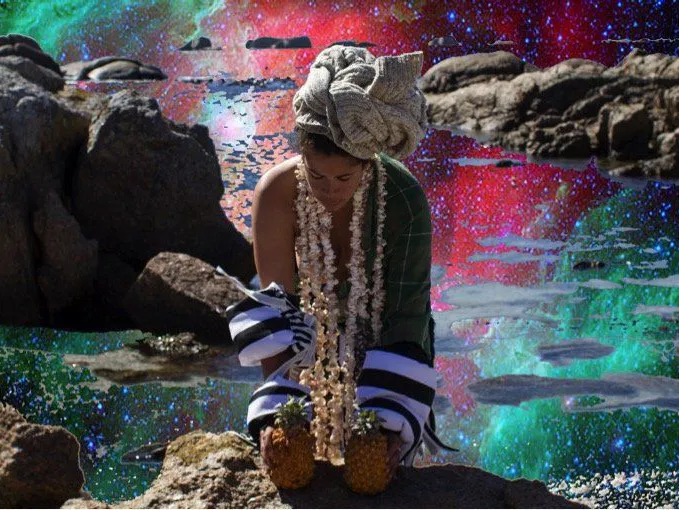
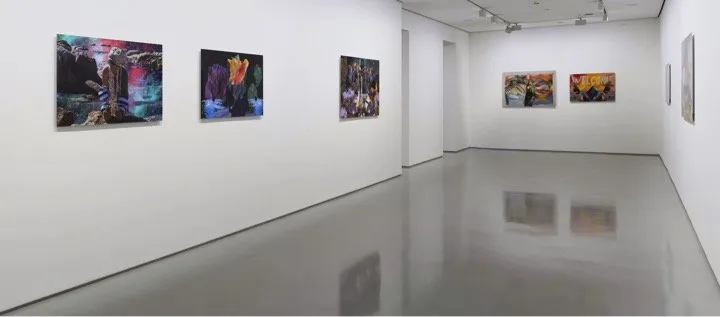
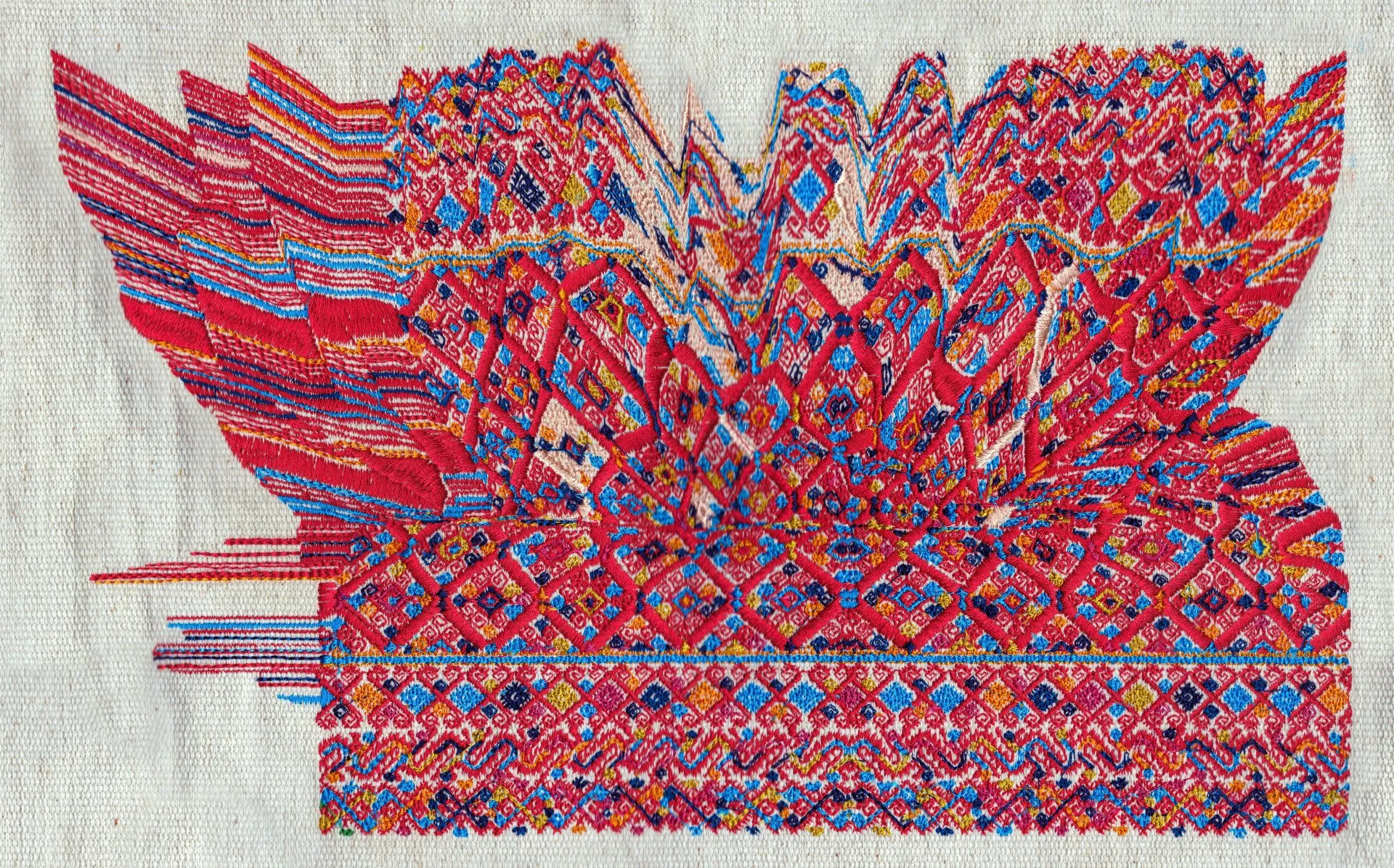
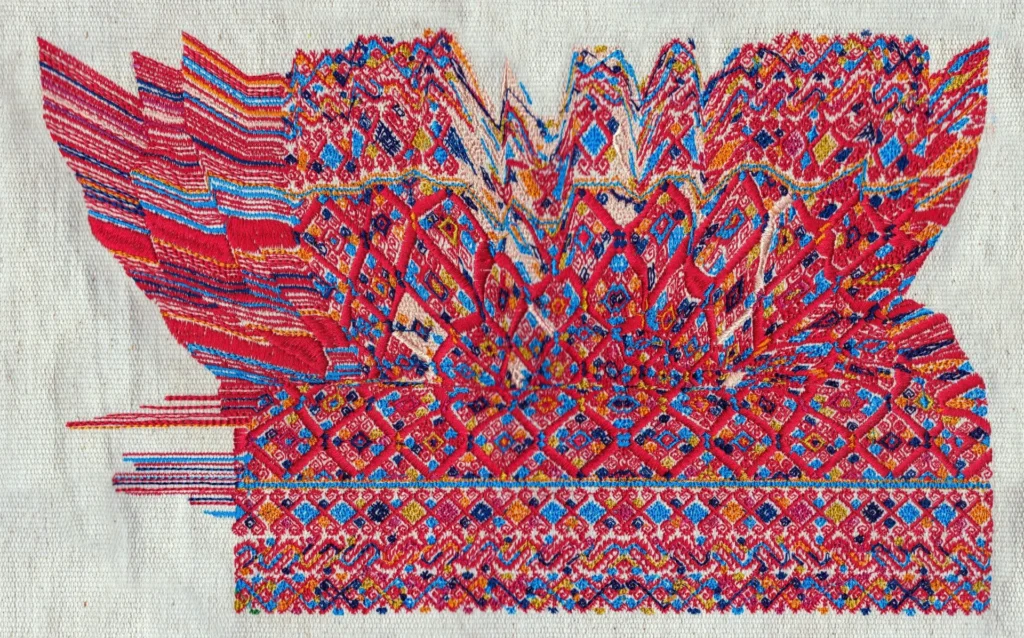
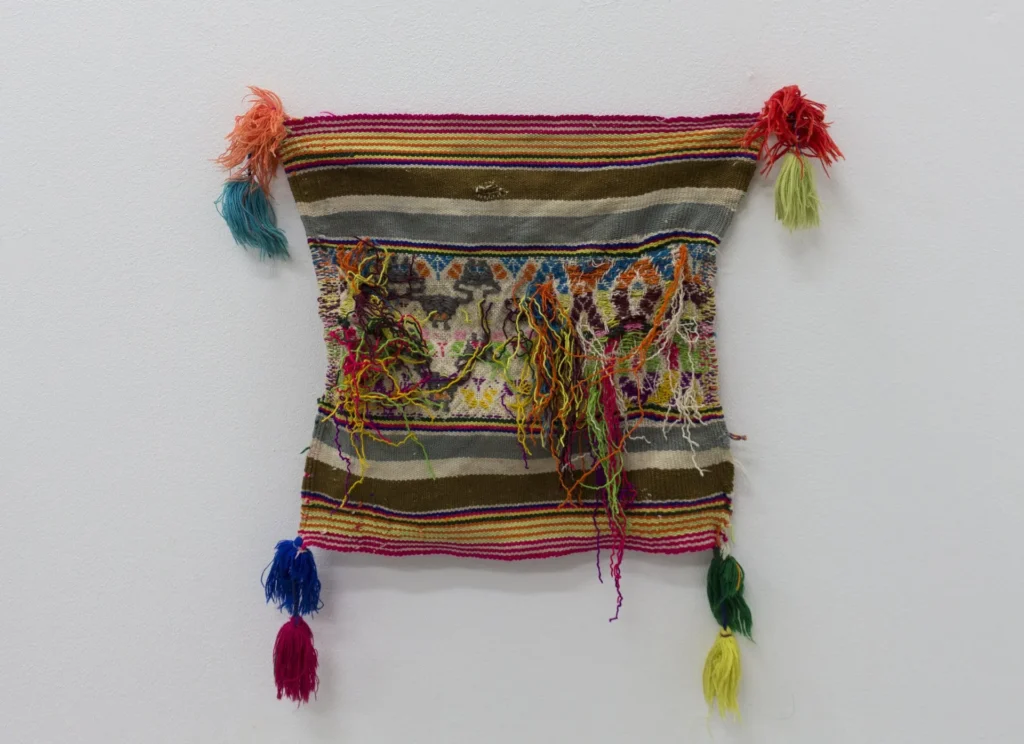
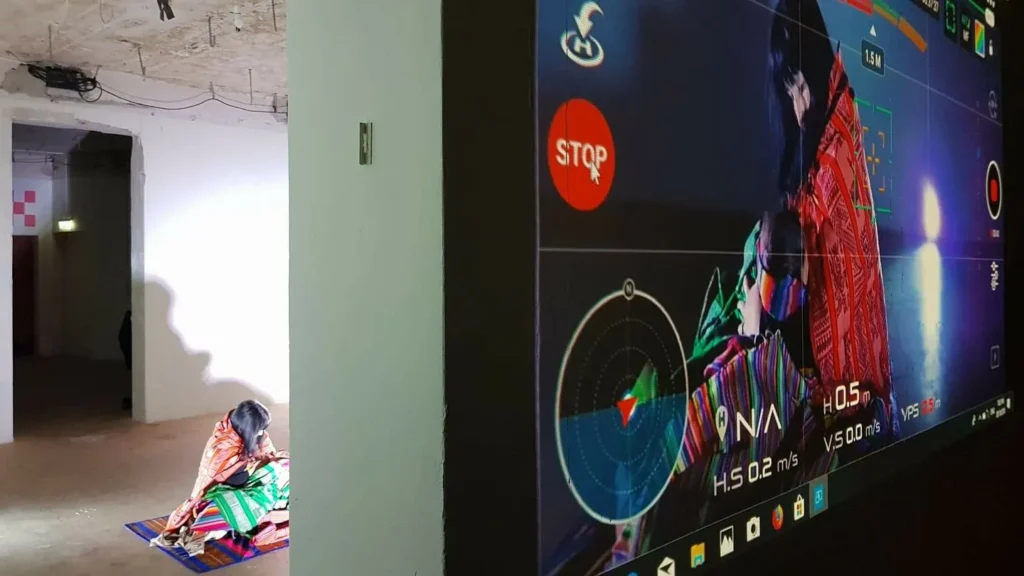
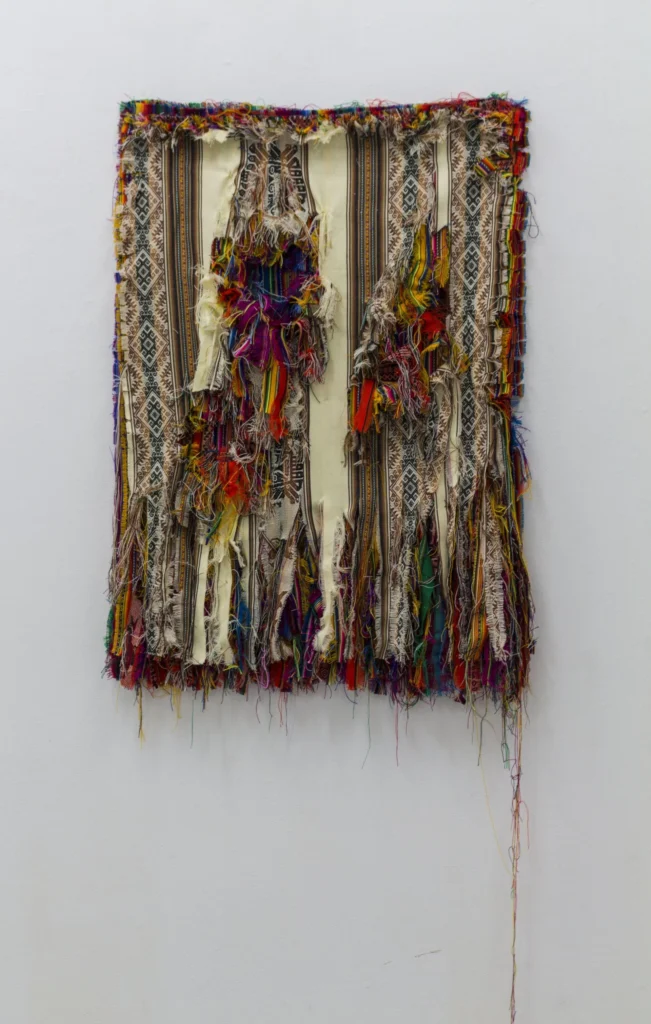
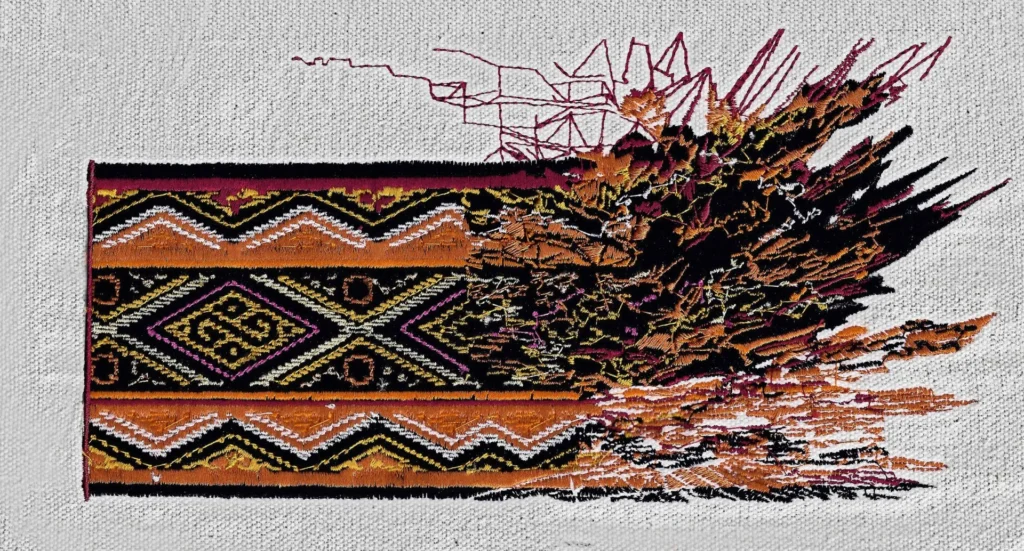
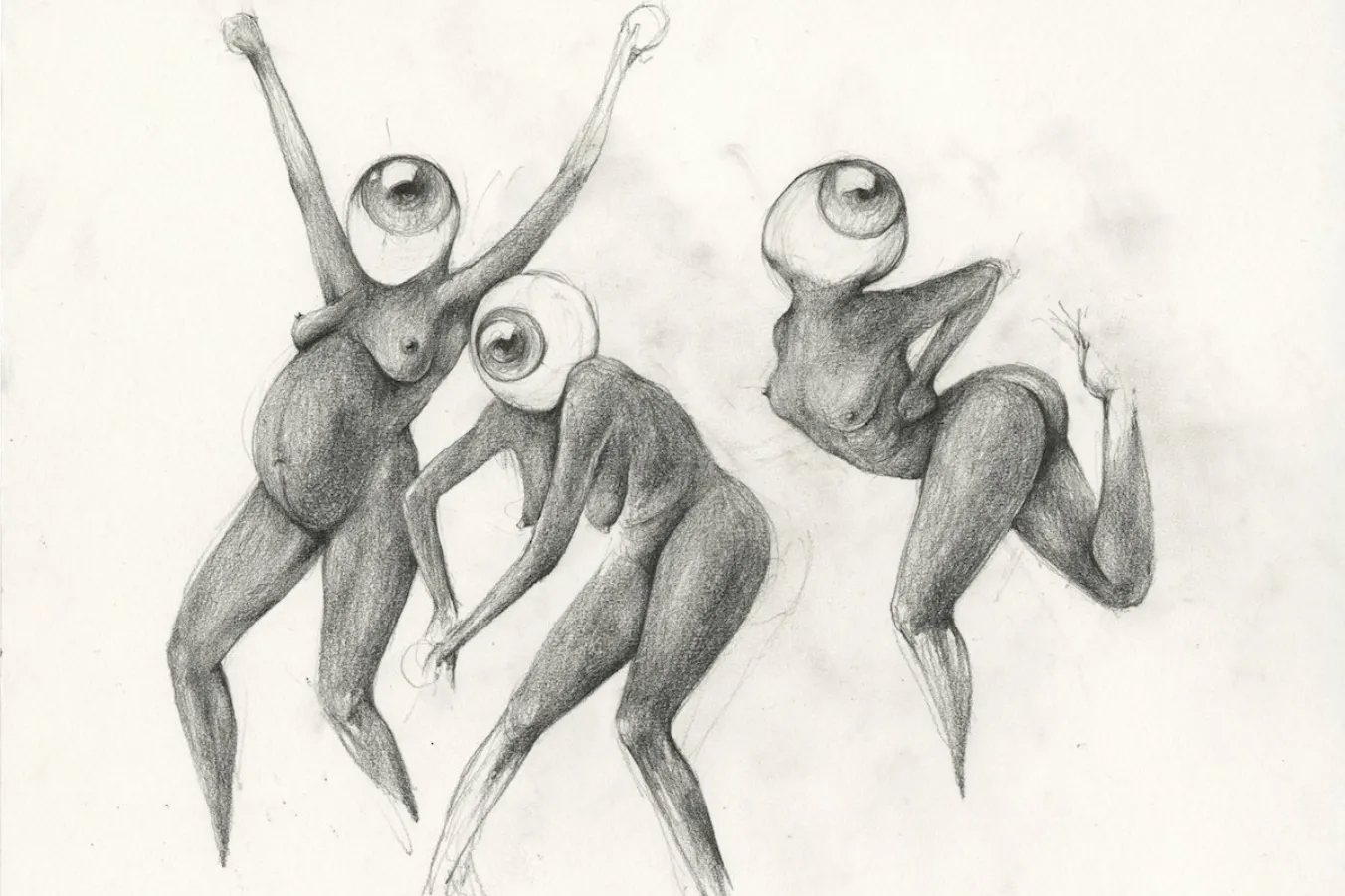
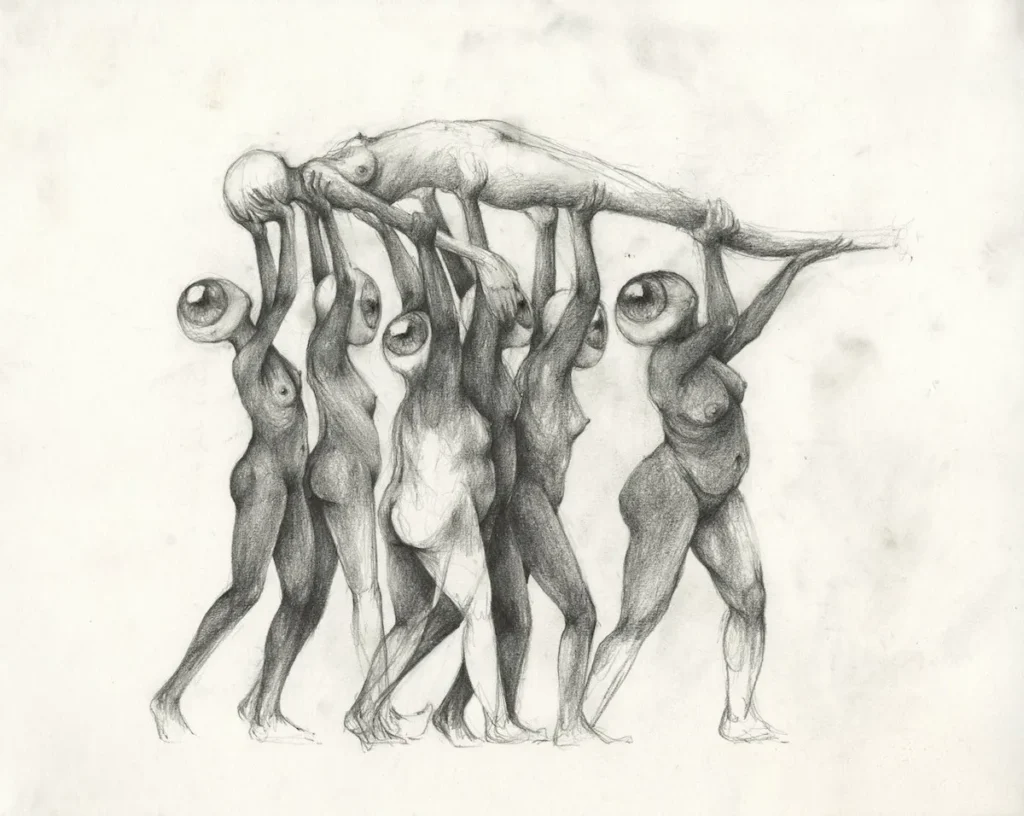
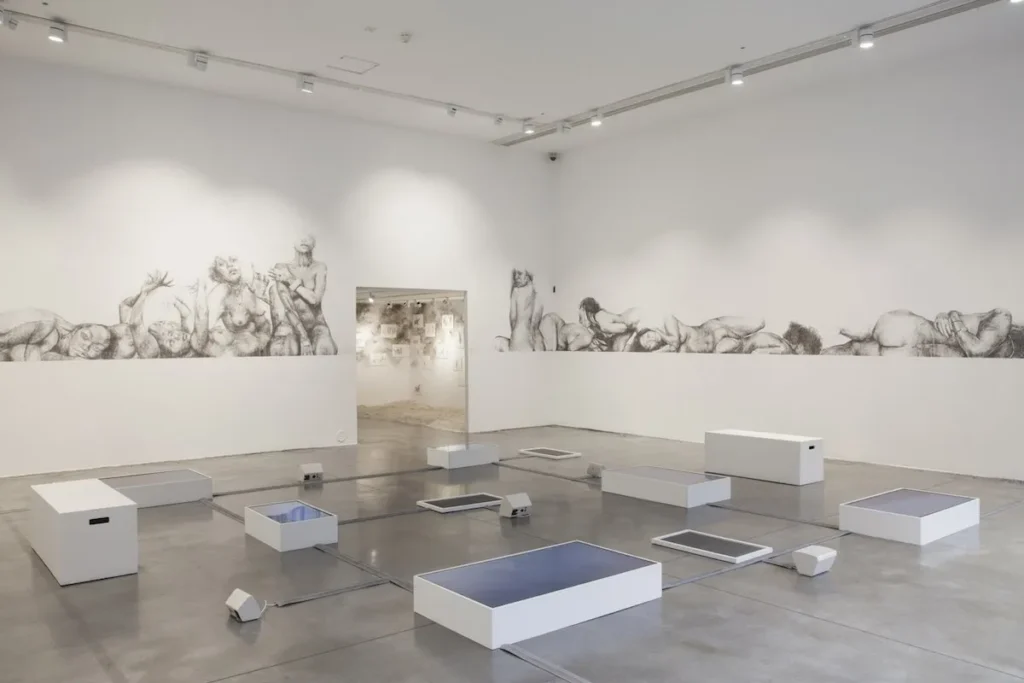
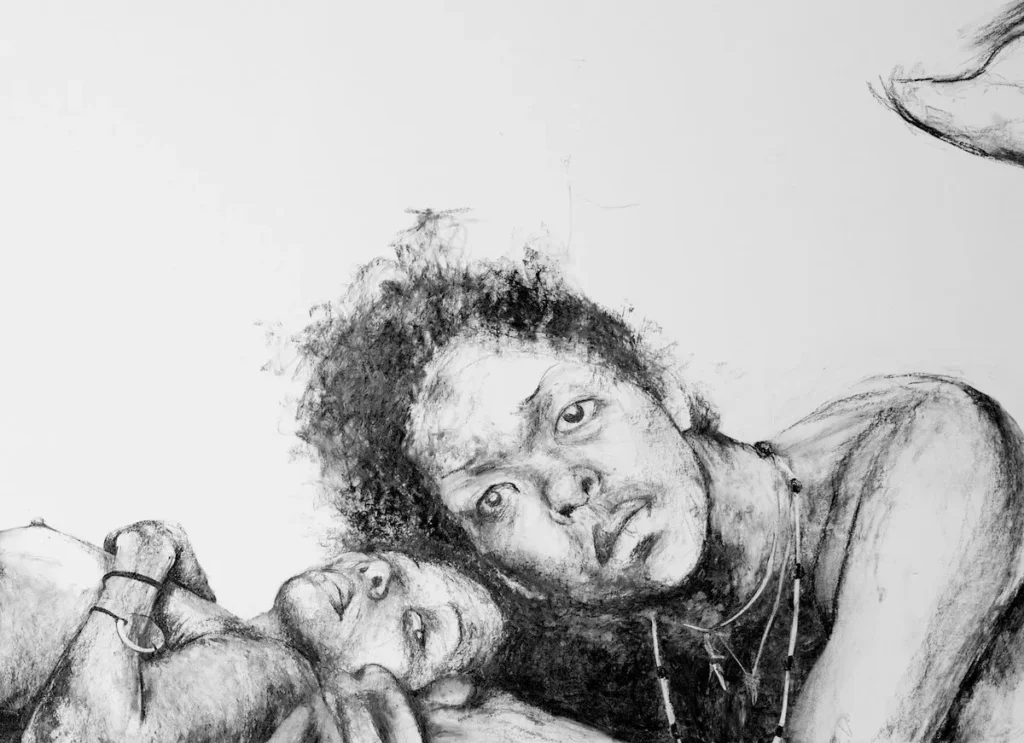
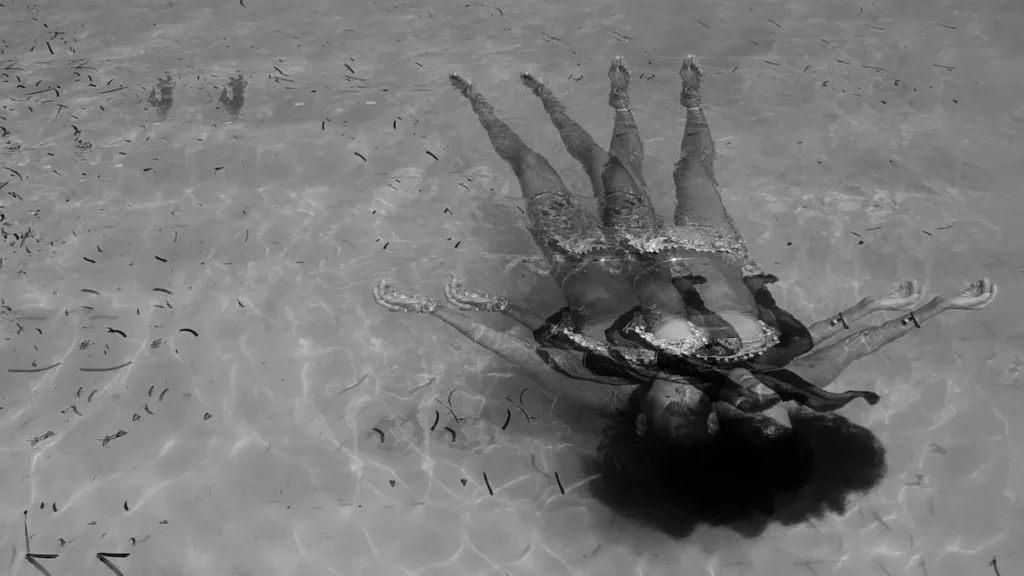
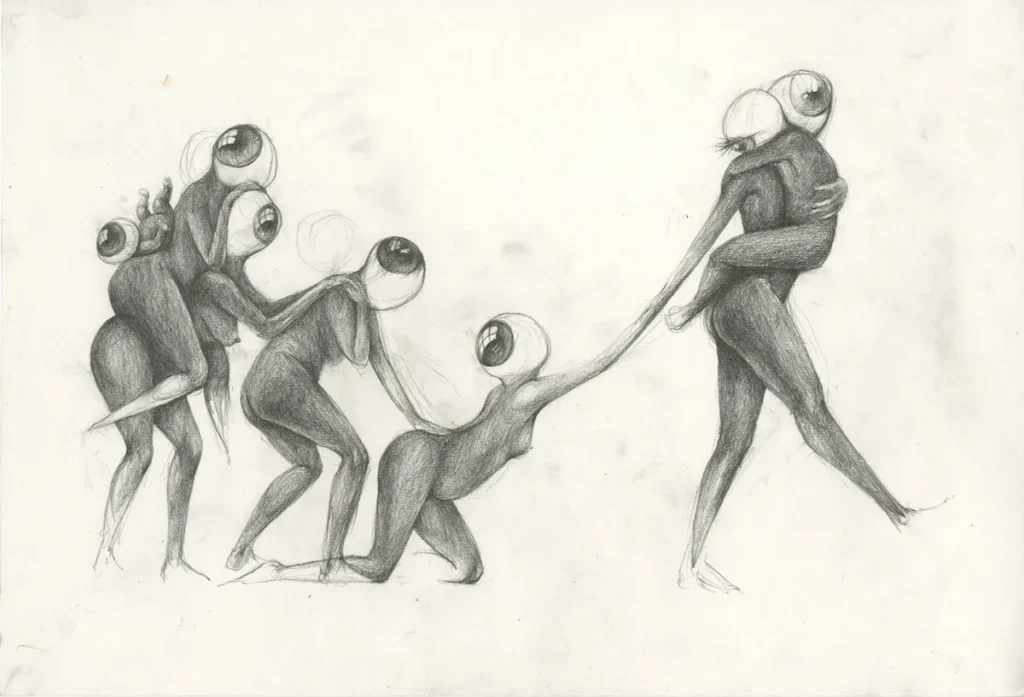
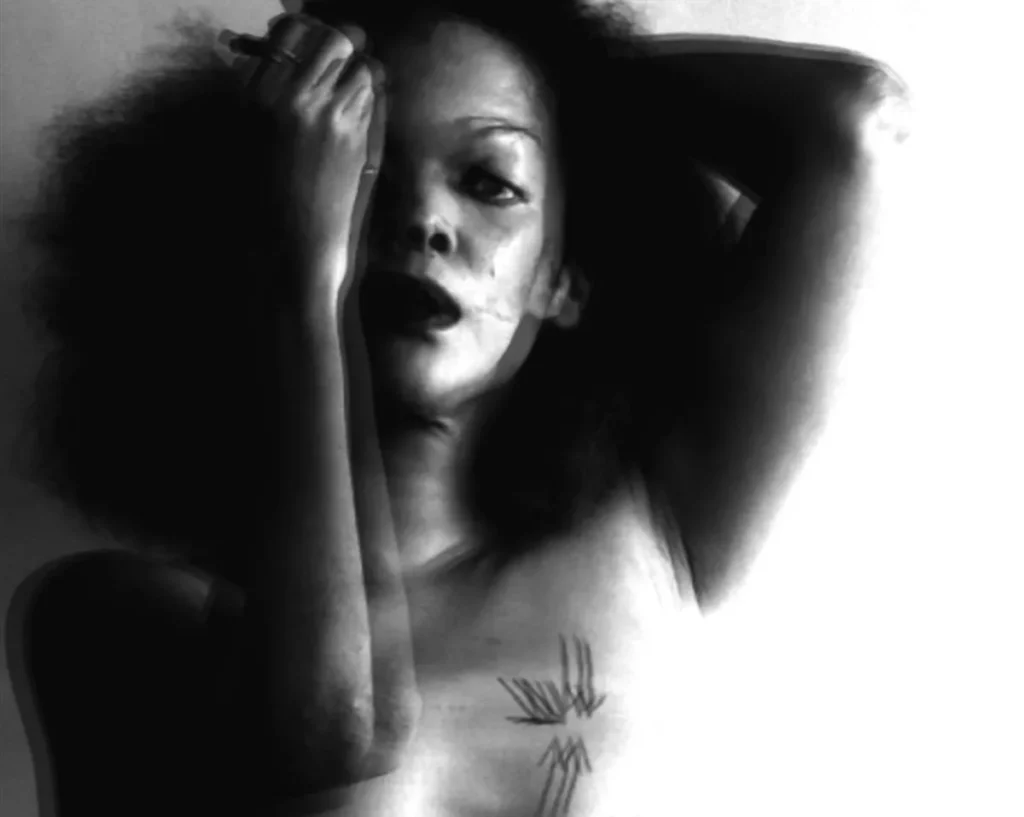
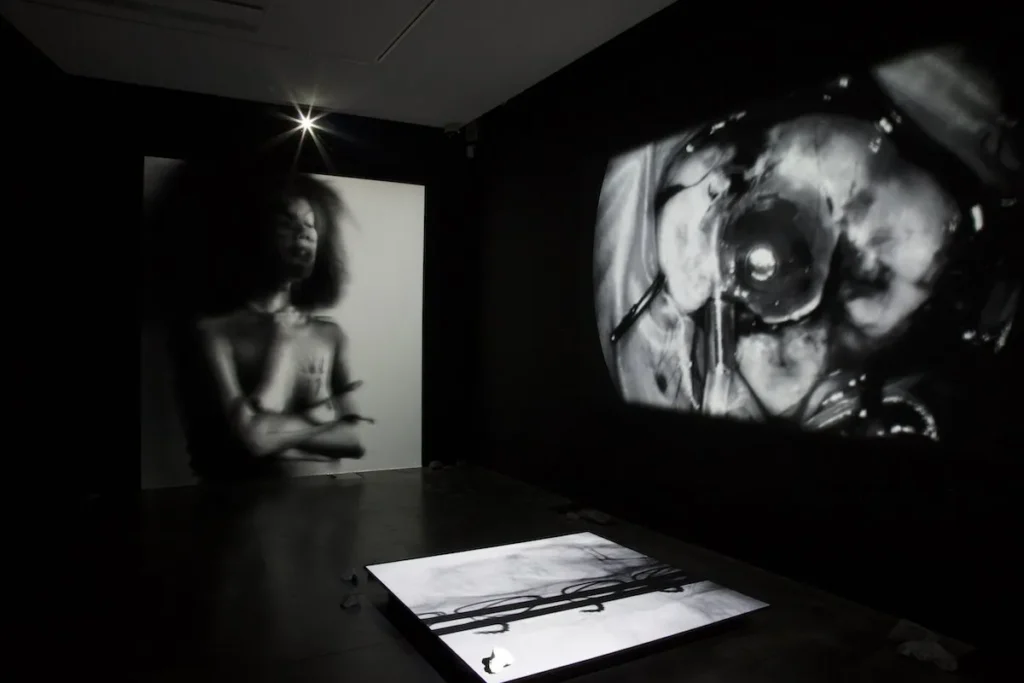
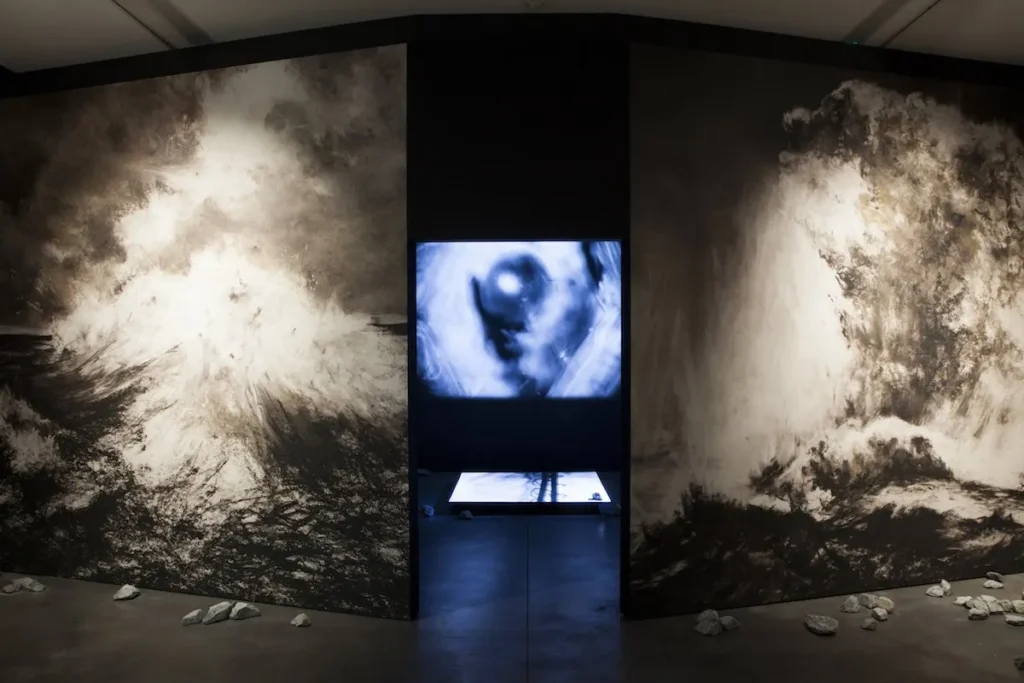
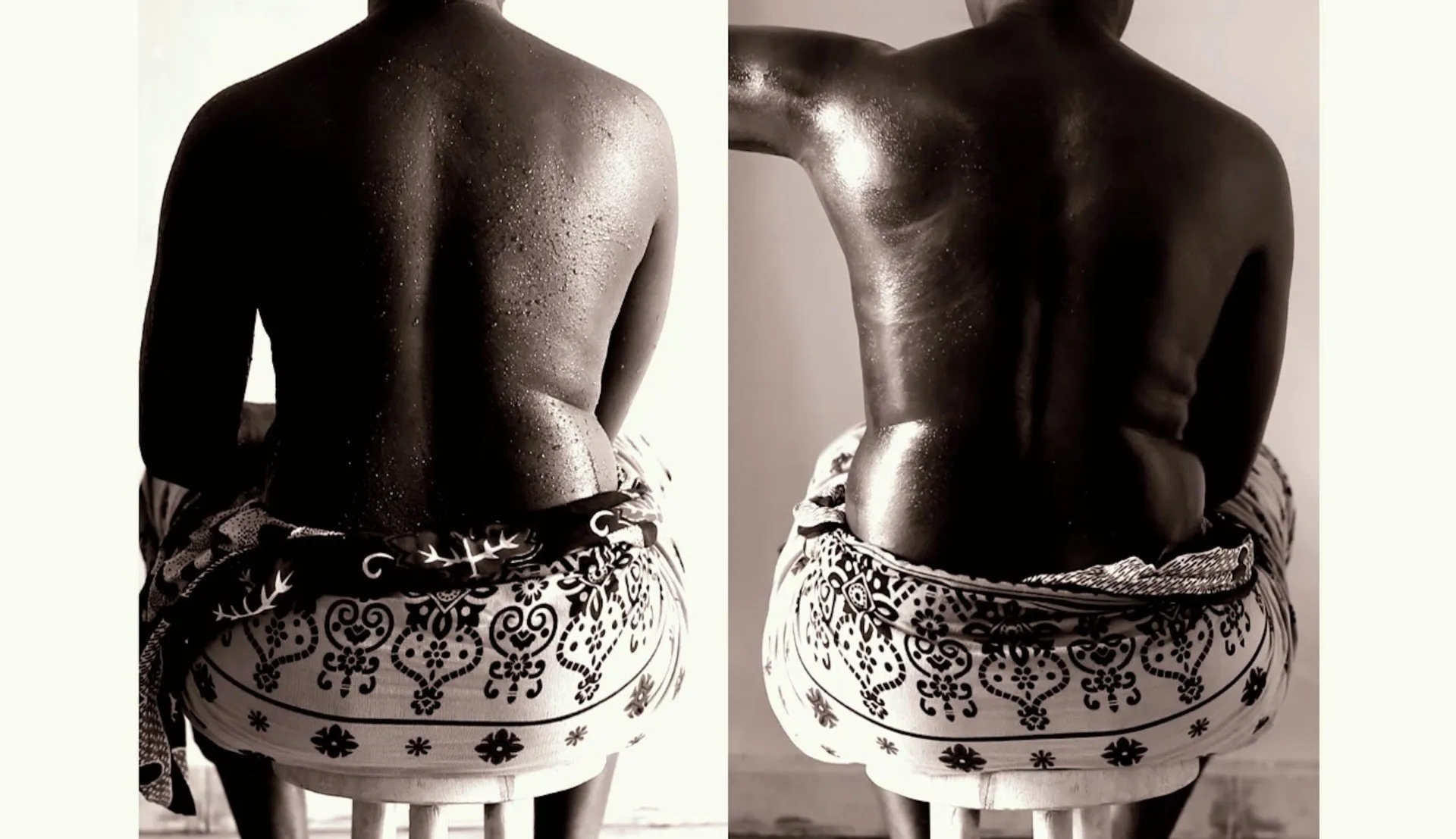
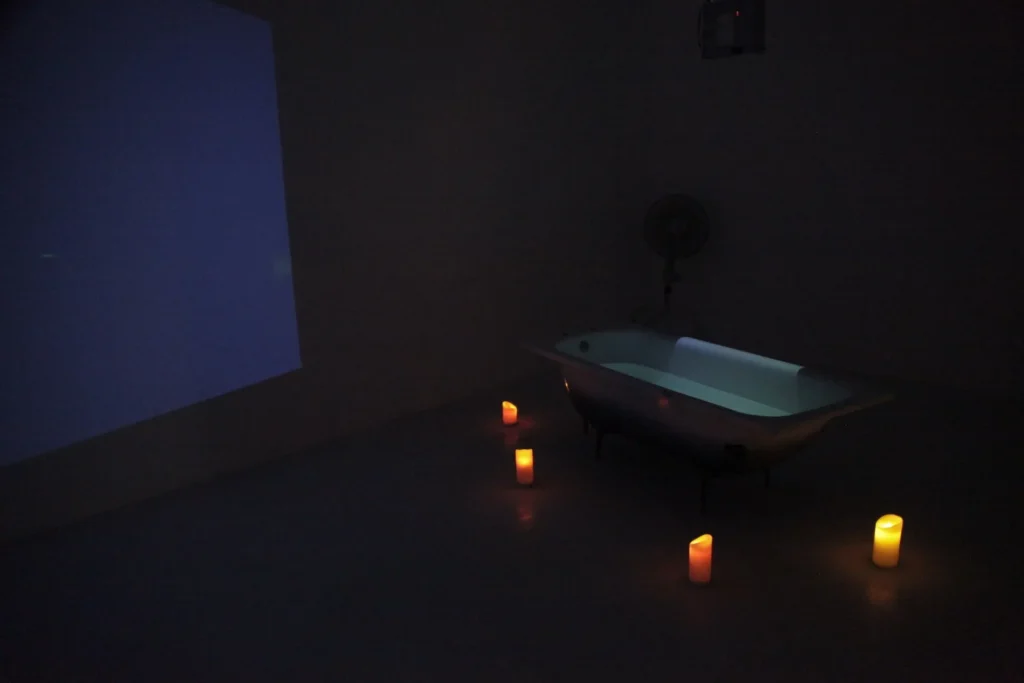
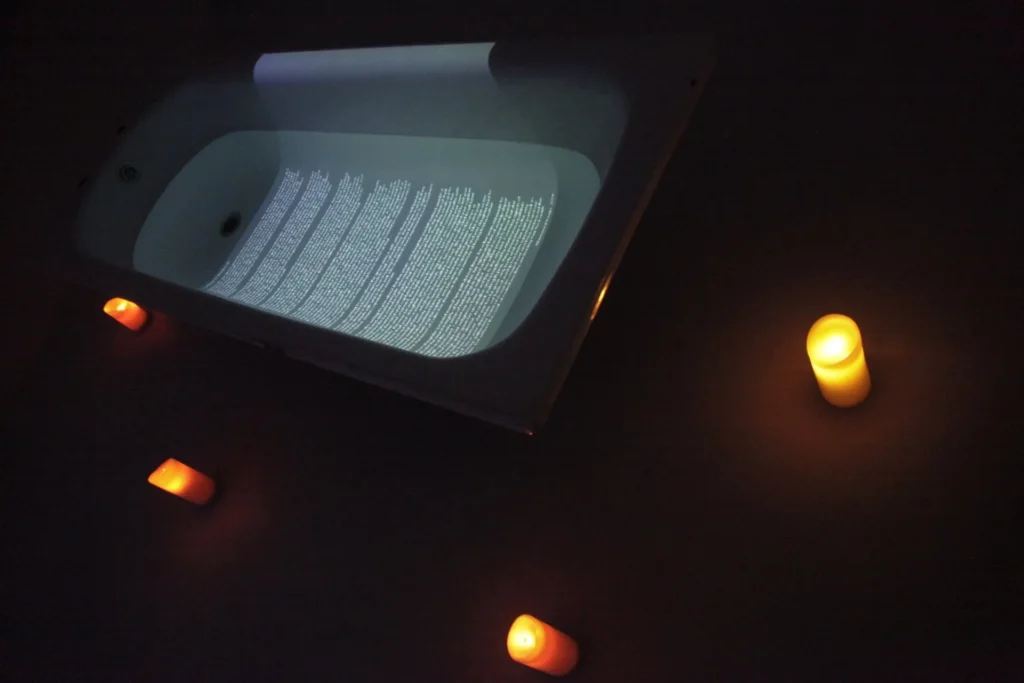
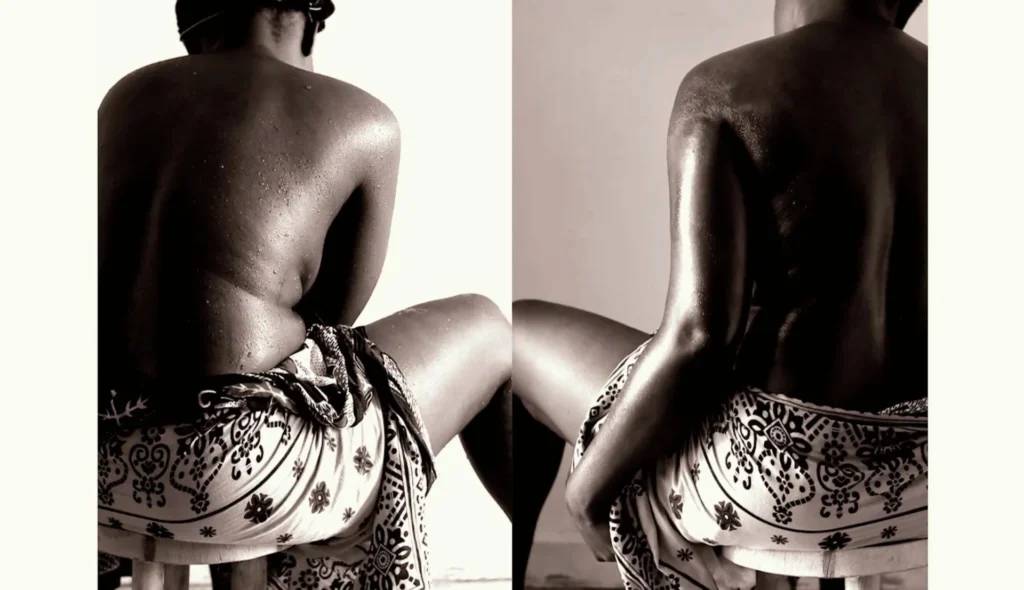
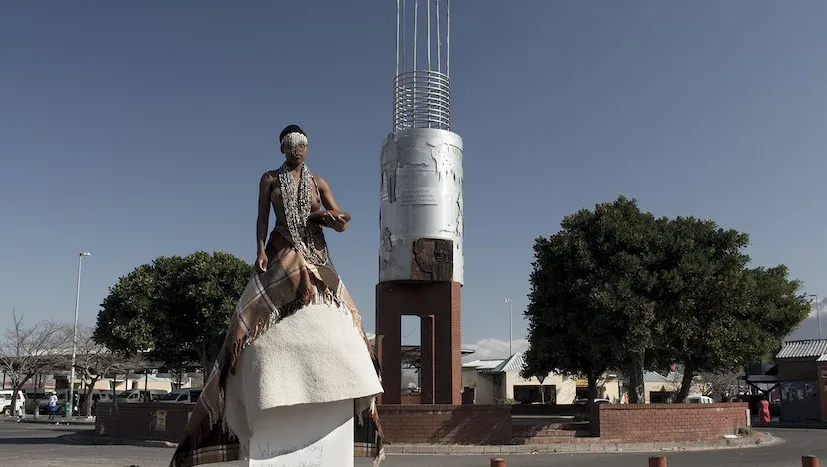
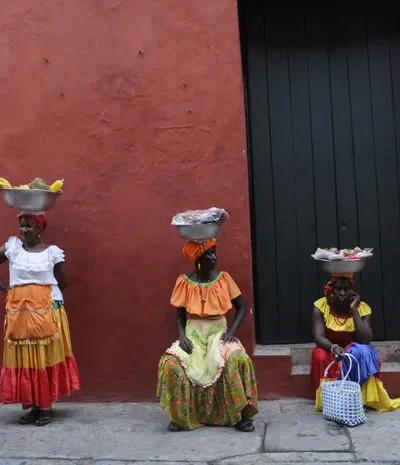
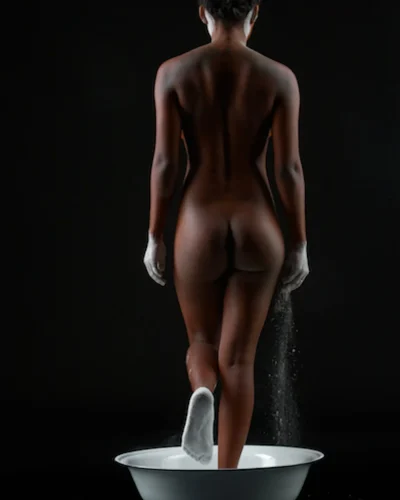
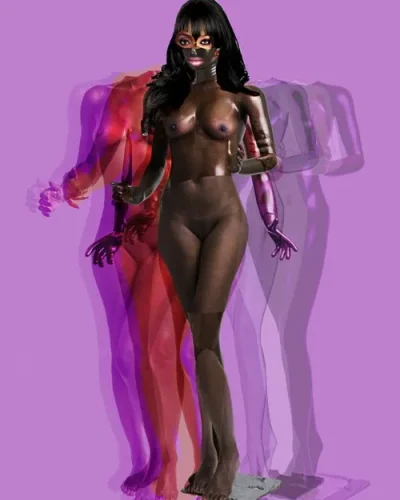
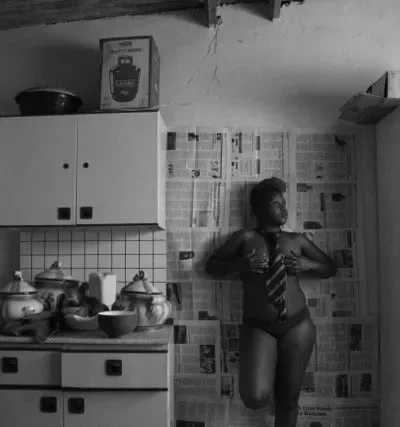
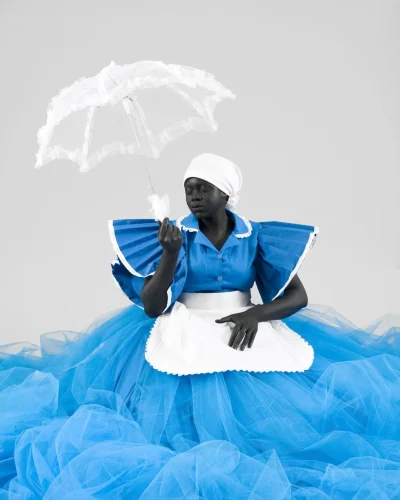
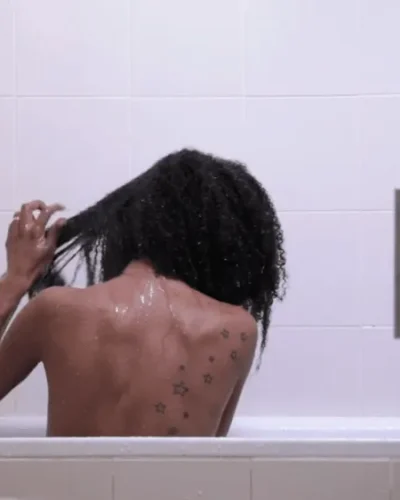
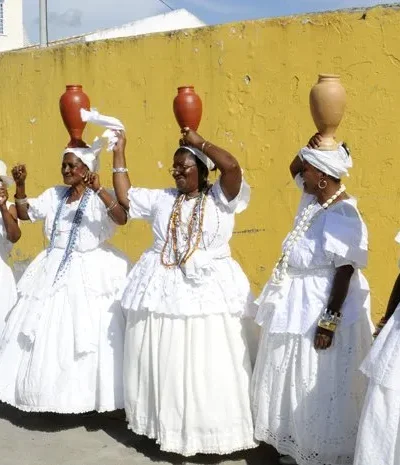
 The exhibition is composed of two screens titled “We” and “Ourselves”. Each screen shows a different selection of still and moving images, generating a dialogue between two different and at the same time complementary narratives. “We” is a rather optimistic and celebratory exhibition of the diversity within race, whereby the artists look at their female counterparts to address notions of heterogeneity, strength, and beauty in black womanhood. “Ourselves” takes a more rebellious stand: the artists included negotiate and reverse their positionality as black women within the global context, disarming dominant stories of African women’s subjectivities. Dr. Nnaemeka states that ‘seeing feminist theorising through the eyes of the “other”, from the “other” place, through the “other” worldview has the capacity to defamiliarize feminist theory as we know it and assist it not only in interrogating, understanding, and explaining the unfamiliar but also defamiliarizing the familiar in a more productive and enriching ways.’ Regarding Ourselves negotiates the politics of representation of black women’s bodies from African women’s perspectives and through their cosmology of the world. These artists contribute to the construction of ‘truths’ and ‘histories’ of African women by repositioning black female forms, producing their reincarnation, representation and reception from empowered, unashamed and refreshing perspectives.Saturday 25.11.2017 from 1pm | Brunei Gallery Suite | SOAS | London WC1H 0XG